Lesson 12: 明天天气怎么样 (Míngtiān tiānqì zěnmeyàng) — How is the weather tomorrow?
| Level | HSK 1 — Beginner |
| Duration | 60 min |
| Textbook | HSK Standard Course 1 (Jiang Liping) — Lesson 12 |
| Materials | Word cards, number cards 1–4 (tones), a speaker to play the lesson audio |
1. Objectives
- Ask and answer about the weather (天气 / 冷 / 热 / 下雨) · Talk about weather
- Use 太…了 for exclamations
- Ask for opinions with 怎么样
- Give weather-based advice
2. Vocabulary (14 words)
| Hanzi | Pinyin | Meaning | Textbook |
|---|---|---|---|
|
天气

|
tiānqì | weather | Lesson 12 |
|
冷

|
lěng | cold | Lesson 12 |
|
热

|
rè | hot | Lesson 12 |
|
下雨

|
xiàyǔ | rain (it is raining) | Lesson 12 |
|
雨

|
yǔ | rain | Lesson 12 |
|
怎么样

|
zěnmeyàng | how | Lesson 12 |
|
太

|
tài | too | Lesson 12 |
|
水

|
shuǐ | water | Lesson 12 |
|
水果

|
shuǐguǒ | fruit | Lesson 12 |
|
爱

|
ài | to love, to like | Lesson 12 |
|
来

|
lái | to, arrive | Lesson 12 |
|
小姐

|
xiǎojiě | Miss (form of address) | Lesson 12 |
|
些

|
xiē | a little | Lesson 12 |
|
身体
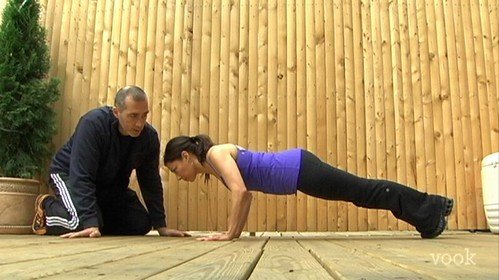
|
shēntǐ | body; health | Lesson 12 |
Tip for teaching the words: let them listen → guess the meaning from context → repeat along with the rhythm → only then check the meanings. Don’t translate word by word right from the start.
3. Grammar focus
1. 太 + Adj + 了 — “too…!”
太 + adjective + 了 expresses a strong exclamation of degree: 太冷了 (too cold!), 太热了 (too hot!). Leaving out 了 is still correct but milder. Negation: 不太 + Adj (not too…): 不太冷 (not very cold).
2. 怎么样 — asking for an evaluation
怎么样 (read zěnmeyàng, with 么 unstressed) asks “how is it, is it all right”: 天气怎么样? Different from 怎么 (Lesson 6 — asks about method): 怎么去?(how does one get there?) vs 怎么样?(how is it, is it OK?).
3. Adjective-predicate sentences for the weather
Weather uses adjective sentences: 今天很冷 (today is cold), 明天不热. 下雨 is both a verb and a noun: 明天下雨 (it rains tomorrow) / a very big雨 (heavy rain).
4. Practice plan
0–10 min — Warm-up
First words: the teacher opens the lesson with today’s topic — 明天天气怎么样 — on the board and one quick exchange from the lesson; students repeat it chorally, then say any words they already know from today’s list (天气, 冷, 热). The teacher ticks them off — they come back in the vocabulary step.
10–25 min — Presentation
Meet the words: present all 14 words of section 2 with the word cards and the lesson audio, in the order given there: listen → guess the meaning from the picture or context → repeat in rhythm → only then check the meaning. Start with 天气 (weather), 冷 (cold), 热 (hot), 下雨 (rain (it is raining)). Finish with a quick card flash: the teacher shows a card, the class says the word and its meaning together.
25–40 min — Practice
Patterns in action: work through the grammar points of section 3 one by one — 太 + Adj + 了 (so…!); 怎么样 (how is…?); adjective-predicate sentences for the weather. For each point: the teacher models two examples on the board, the whole class repeats, then each student makes one sentence with a partner. Correct the classic mistakes on the spot, before they stick.
40–52 min — Communication
Weather bulletin: groups of 4 make a bulletin: 明天天气怎么样?…太冷了!多喝水! Film a 1-minute video; the class votes for the best bulletin.
The adviser: A states the weather (今天很热), B gives advice (多喝水!/ 去买水果!). Swap roles for 5 rounds.
太…了!: exclamation contest: the teacher holds up a picture (hot/cold/beautiful…), the whole class shouts 太…了!
Dialogue relay: in pairs, students perform the model dialogues of section 5 (Weather forecast / Weekend plans), swapping roles halfway. A pair scores a point for each dialogue finished without a meaning-changing mistake; the teacher circulates, listens in and corrects pronunciation. The pair with the most points wins.
52–60 min — Wrap-up & check
First characters: first contact with writing: students copy the lesson’s key words (天气, 冷, 热) one line each, following the stroke-order animation on the word cards in section 2. The teacher walks around checking pencil grip and stroke order.
Exit check: at the door, every student must use today’s main pattern in one sentence and one of the new words before leaving; the teacher notes who struggled — they get the first questions next lesson. Finish by previewing the homework in section 6.
Principle: speaking first, writing later. Every learner must speak at least 10 sentences during the session.
5. Model dialogues
Use the audio on the lesson page Lesson 12 to listen.
Weather forecast
A: 明天天气怎么样? (Míngtiān tiānqì zěnmeyàng?)
B: 明天下雨,很冷。 (Míngtiān xiàyǔ, hěn lěng.)
A: 太冷了! (Tài lěng le!)
B: 是。多喝水! (Shì. Duō hē shuǐ!)
Weekend plans
A: 星期天天气怎么样? (Xīngqītiān tiānqì zěnmeyàng?)
B: 很好,不冷不热。 (Hěn hǎo, bù lěng bú rè.)
A: 我们去买水果吗? (Wǒmen qù mǎi shuǐguǒ ma?)
B: 好! (Hǎo!)
6. Homework
- Write each new character one line.
- Record a 30–60s speaking video using 3 patterns.
- Listen & shadow both dialogues 3×.
📷 Illustration photos: real photos from the open libraries Openverse / Wikimedia Commons / Flickr (licenses CC0, CC BY, CC BY-SA) — one real-life photo for each word, no AI drawings. Stroke-order animation: Make Me a Hanzi data (HanziWriter).