真正的朋友
🎯 Objectives
- Describe a true friend with friendship vocabulary
- Use 尽管…还是… and 却 for unexpected outcomes
- Use 正好 for a lucky coincidence
📚 Picture vocabulary (40 words)










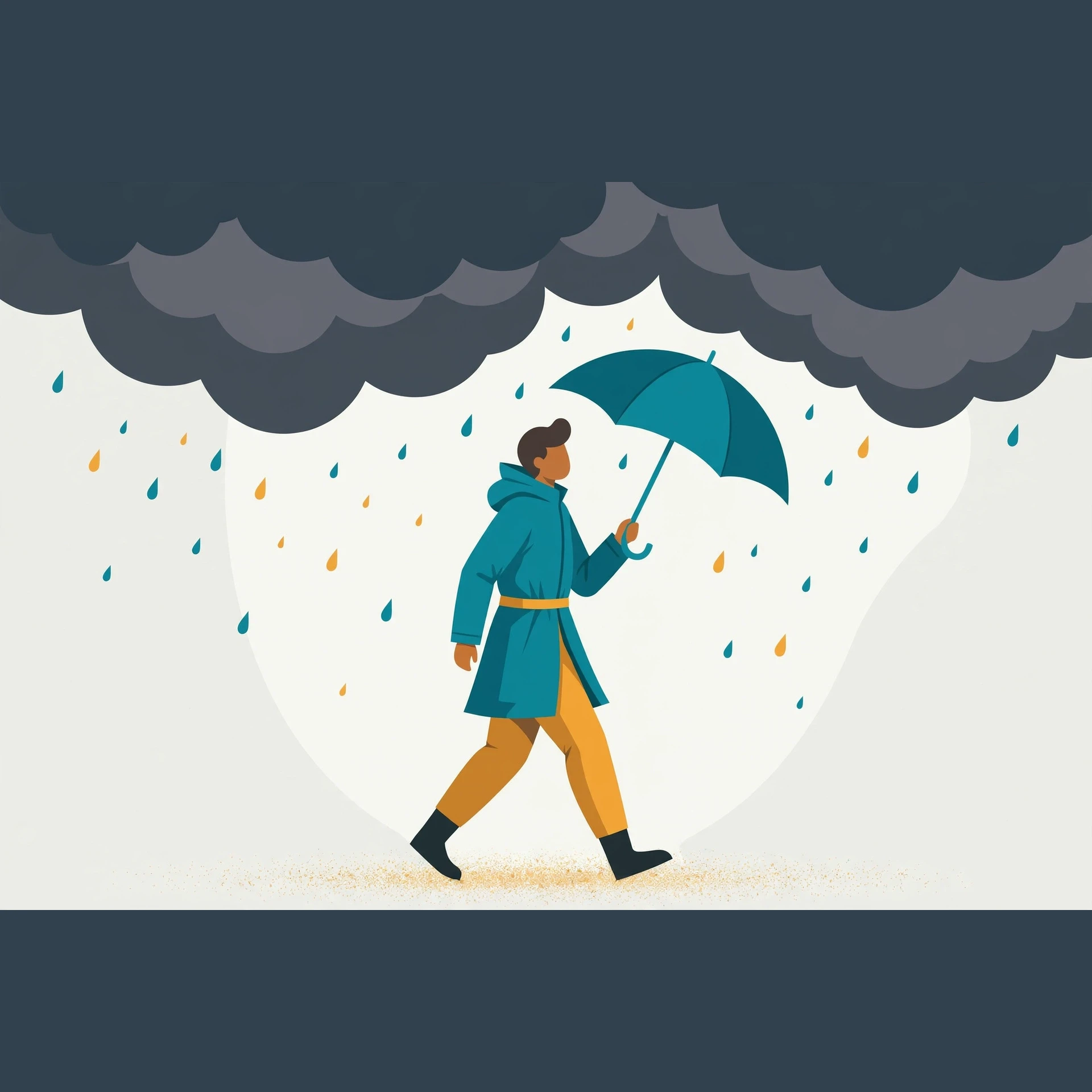




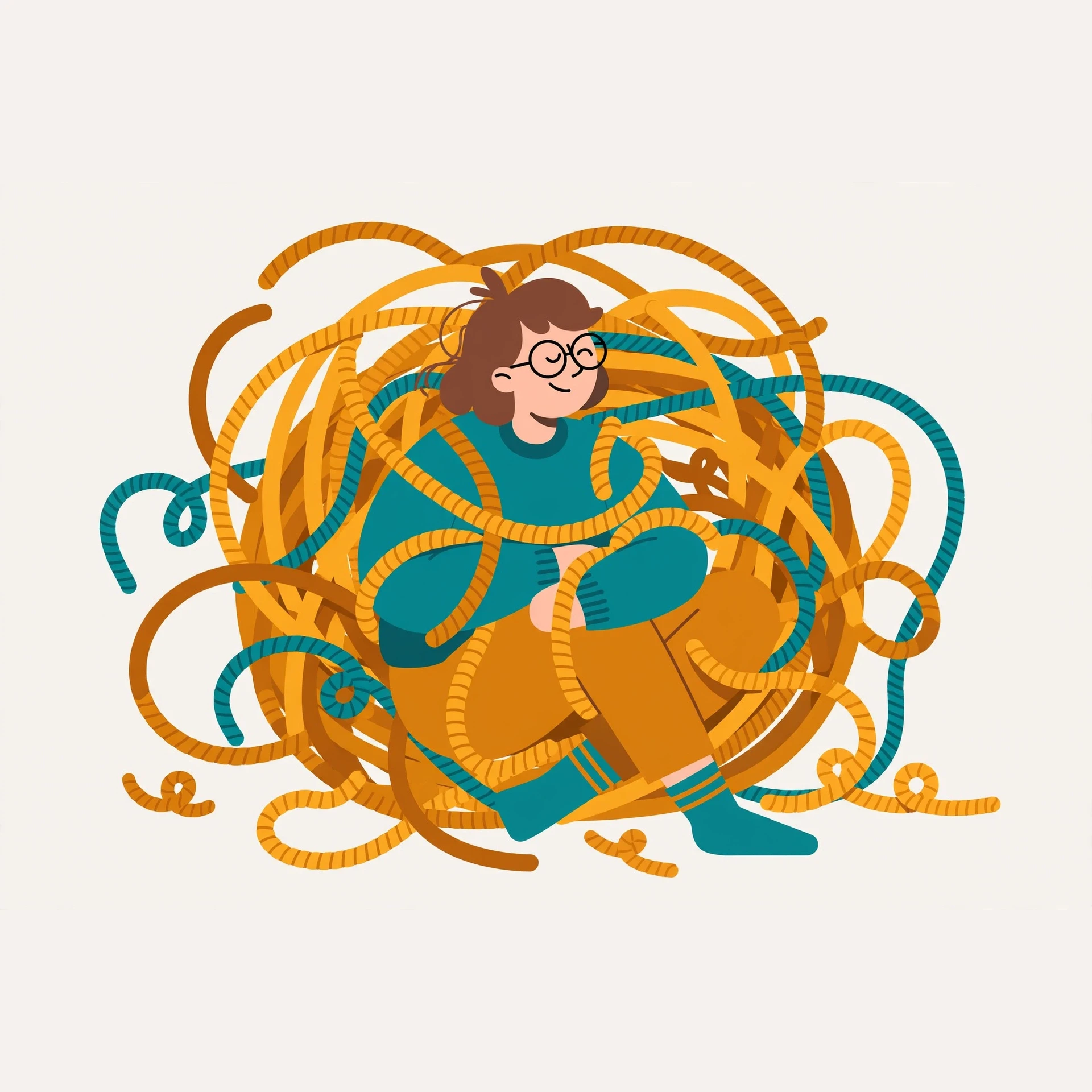


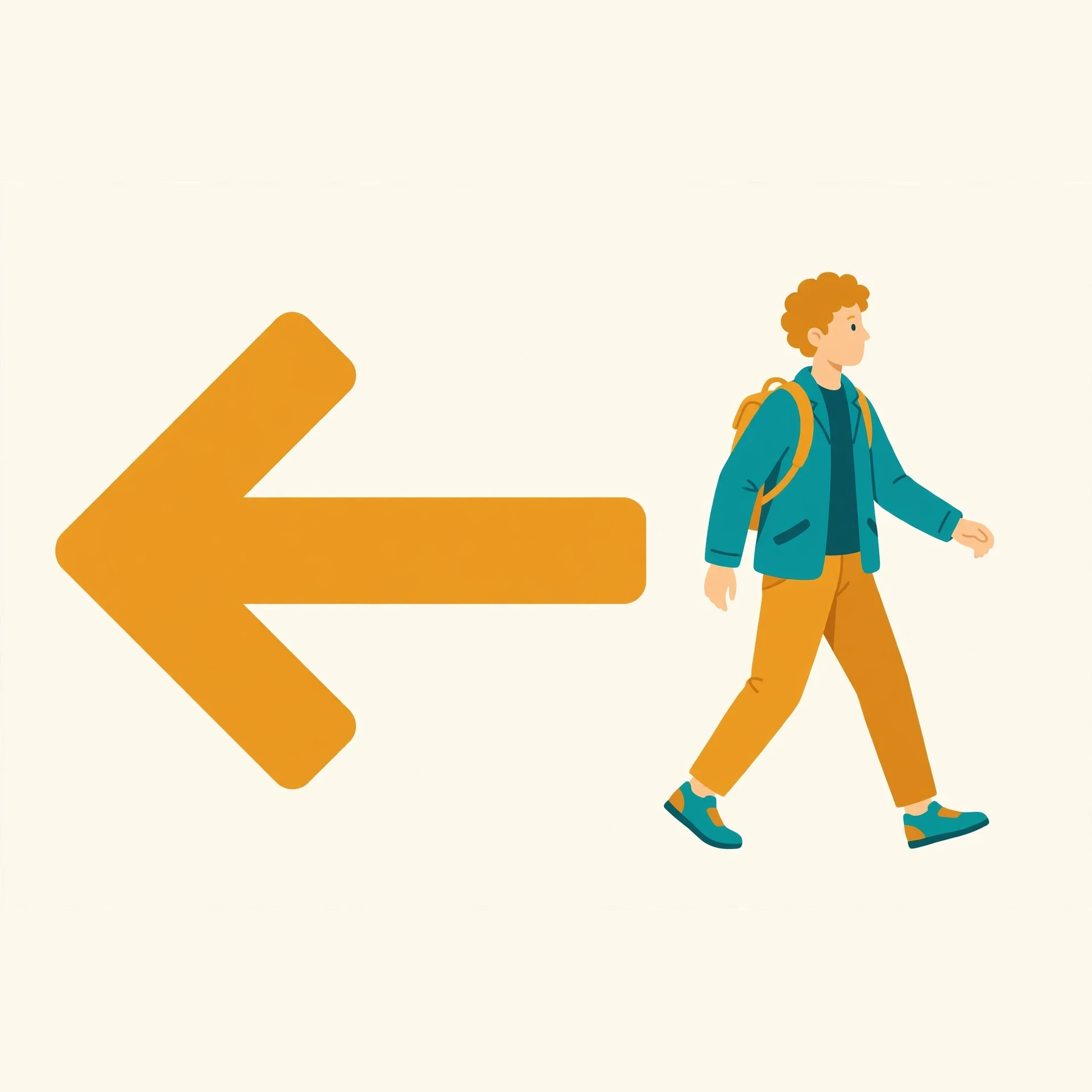















Every card has a picture and audio.
🖼️ Image credits
- 毕业 (bìyè) — AI-generated in workspace: Original AI-generated illustration created in this workspace; no third-party assets used.
- 差不多 (chàbuduō) — AI-generated in workspace: Original AI-generated illustration created in this workspace; no third-party assets used.
- 重新 (chóngxīn) — AI-generated in workspace: Original AI-generated illustration created in this workspace; no third-party assets used.
- 当 (dāng) — AI-generated in workspace: Original AI-generated illustration created in this workspace; no third-party assets used.
- 短信 (duǎnxìn) — AI-generated in workspace: Original AI-generated illustration created in this workspace; no third-party assets used.
- 而 (ér) — AI-generated in workspace: Original AI-generated illustration created in this workspace; no third-party assets used.
- 丰富 (fēngfù) — AI-generated in workspace: Original AI-generated illustration created in this workspace; no third-party assets used.
- 逛 (guàng) — AI-generated in workspace: Original AI-generated illustration created in this workspace; no third-party assets used.
- 好像 (hǎoxiàng) — AI-generated in workspace: Original AI-generated illustration created in this workspace; no third-party assets used.
- 及时 (jíshí) — AI-generated in workspace: Original AI-generated illustration created in this workspace; no third-party assets used.
- 交 (jiāo) — AI-generated in workspace: Original AI-generated illustration created in this workspace; no third-party assets used.
- 交流 (jiāoliú) — AI-generated in workspace: Original AI-generated illustration created in this workspace; no third-party assets used.
- 尽管 (jǐnguǎn) — AI-generated in workspace: Original AI-generated illustration created in this workspace; no third-party assets used.
- 镜子 (jìngzi) — AI-generated in workspace: Original AI-generated illustration created in this workspace; no third-party assets used.
- 聚会 (jùhuì) — AI-generated in workspace: Original AI-generated illustration created in this workspace; no third-party assets used.
- 困难 (kùnnan) — AI-generated in workspace: Original AI-generated illustration created in this workspace; no third-party assets used.
- 理解 (lǐjiě) — AI-generated in workspace: Original AI-generated illustration created in this workspace; no third-party assets used.
- 联系 (liánxì) — AI-generated in workspace: Original AI-generated illustration created in this workspace; no third-party assets used.
- 麻烦 (máfan) — AI-generated in workspace: Original AI-generated illustration created in this workspace; no third-party assets used.
- 陪 (péi) — AI-generated in workspace: Original AI-generated illustration created in this workspace; no third-party assets used.
- 平时 (píngshí) — AI-generated in workspace: Original AI-generated illustration created in this workspace; no third-party assets used.
- 却 (què) — AI-generated in workspace: Original AI-generated illustration created in this workspace; no third-party assets used.
- 适应 (shìyìng) — AI-generated in workspace: Original AI-generated illustration created in this workspace; no third-party assets used.
- 讨厌 (tǎoyàn) — AI-generated in workspace: Original AI-generated illustration created in this workspace; no third-party assets used.
- 无聊 (wúliáo) — AI-generated in workspace: Original AI-generated illustration created in this workspace; no third-party assets used.
- 友谊 (yǒuyì) — AI-generated in workspace: Original AI-generated illustration created in this workspace; no third-party assets used.
- 真正 (zhēnzhèng) — AI-generated in workspace: Original AI-generated illustration created in this workspace; no third-party assets used.
- 正好 (zhènghǎo) — AI-generated in workspace: Original AI-generated illustration created in this workspace; no third-party assets used.
- 周围 (zhōuwéi) — AI-generated in workspace: Original AI-generated illustration created in this workspace; no third-party assets used.
- 专门 (zhuānmén) — AI-generated in workspace: Original AI-generated illustration created in this workspace; no third-party assets used.
- 林 (Lín) — AI-generated in workspace: Original AI-generated illustration created in this workspace; no third-party assets used.
- 马克 (Mǎkè) — AI-generated in workspace: Original AI-generated illustration created in this workspace; no third-party assets used.
- 上海 (Shànghǎi) — AI-generated in workspace: Original AI-generated illustration created in this workspace; no third-party assets used.
- 夏 (Xià) — AI-generated in workspace: Original AI-generated illustration created in this workspace; no third-party assets used.
- 张远 (Zhāngyuǎn) — AI-generated in workspace: Original AI-generated illustration created in this workspace; no third-party assets used.
- 不同 (bùtóng) — AI-generated in workspace: Original AI-generated illustration created in this workspace; no third-party assets used.
- 感到 (gǎndào) — AI-generated in workspace: Original AI-generated illustration created in this workspace; no third-party assets used.
- 街 (jiē) — AI-generated in workspace: Original AI-generated illustration created in this workspace; no third-party assets used.
- 身边 (shēnbiān) — AI-generated in workspace: Original AI-generated illustration created in this workspace; no third-party assets used.
- 校园 (xiàoyuán) — AI-generated in workspace: Original AI-generated illustration created in this workspace; no third-party assets used.
📖 Grammar
📖 尽管 (although) ·
尽管 + 条件,……还是/仍然 + 动词
Expresses concession like 虽然 but more formal; the second clause often has 还是/仍然. Never pair with 但是.
📖 却 (but, yet
主语 + 却 + 动词(短语)
却 comes after the subject and stresses an outcome contrary to expectation — "yet, but (surprisingly)".
📖 正好 (just right) ·
动词 + 得 + 正好 / 正好 + 数量
Expresses a happy coincidence — just the right time, amount, or fit.
💬 Dialogue
A true friend
🎬 Movie line
🎞️ 少年的你 (Better Days, 2019) — Derek Tsang — Xiaobei (小北, Liu Beishan, played by Jackson Yee) speaks to 陈念 (Chen Nian)
A loyal friend's way to cheer someone on before an exam or a game.
📝 Words in the line
- 赢 yíng — to win
- 输 shū — to lose
- 只有 zhǐyǒu — only if
⚡ Quick cards
📝 Lesson-end quiz (8 questions)
📖 Answer key
- C — 毕业 (bìyè) = to graduate — to finish a level of study and leave school; “to start school / the start of term” is 入学 / 开学.
- A — Correct answer: kùnnan
- D — 尽管 (jǐnguǎn) = although — a concession like 虽然 but more formal: 尽管下雨,我们还是去了 = although it rained, we still went.
- B — Correct answer: 他说要来,却没来
- D — 正好 (zhènghǎo) = just at the right moment, just right — not early, not late, exactly when needed: 来得正好 = to arrive at just the right moment.
- C — 友谊 (yǒuyì) = friendship — the bond between friends; “love” is 爱情, and family affection is 亲情.
- A — Correct answer: to hate
- B — Correct answer: to adapt
🏠 Homework
Match the words
★ Easy
| 1. 毕业 | |
| 2. 短信 | |
| 3. 镜子 | |
| 4. 聚会 | |
| 5. 困难 | |
| 6. 理解 | |
| 7. 联系 | |
| 8. 友谊 |
- A.
- B.
- C.
- D.
- E.
- F.
- G.
- H.
📖 Answer key
- 1. 毕业 → G
- 2. 短信 → H
- 3. 镜子 → A
- 4. 聚会 → B
- 5. 困难 → C
- 6. 理解 → D
- 7. 联系 → E
- 8. 友谊 → F
Fill in the blanks
★ Easy–Medium
Word bank: 毕业 · 联系 · 困难 · 陪 · 友谊 · 正好
📖 Answer key
- 1. 毕业
- 2. 联系
- 3. 困难
- 4. 陪
- 5. 友谊
- 6. 正好
Multiple choice
★★ Medium
📖 Answer key
- B — Correct answer: 毕业以后,我们经常联系吧
- D — Correct answer: 有困难就告诉我,我陪你
- A — Correct answer: 尽管下雨,我们还是去了
- C — Correct answer: 你来得正好
Role-play
★★ Medium
Meeting an old friend again: you catch up after graduation, promise to stay in touch, and plan to eat together next time.
🗣️ Model
Free writing
★★★ Challenge
- Includes at least 1 sentence with 尽管……还是……
- Includes at least 1 sentence using 正好
- Includes at least 1 sentence using 陪
- Includes at least 6 new words from this lesson
Extra practice
Extra
🧪 Chapter checks
Chapter 1 — Feelings, friendship, work and shopping (Lessons 1–5)
Mid-chapter quiz ( Pinyin 2 (Lesson 2 ×1, Lesson 3 ×1)
Chapter test
🧩 Practice Bank
Extra practice bank for this lesson: multiple choice, listening, matching, fill-in, sentence building, dialogue, speaking and writing. Tap the speaker button to play this lesson's own vocabulary/dialogue recordings.
Multiple choice
★ Easy → Challenge
📖 Answer key
- A
- D — jiāoliú
- A
- D — wúliáo
- D — 尽管路很远,我们还是坐车去了。
- B — 天气很冷,他却只穿一件衣服。
- A
- B — 你来得正好,尽管下雨,我们还是去公园玩儿。
Listen and choose
★ Easy
📖 Answer key
- D — 幸福
- D — Work first and learn more things
- B — Shanghai
Match the pinyin to the characters
★ Easy
| Pinyin | |
|---|---|
| 1. chóngxīn | |
| 2. jíshí | |
| 3. jiāoliú | |
| 4. péi | |
| 5. shìyìng | |
| 6. zhuānmén |
- A. 陪
- B. 重新
- C. 专门
- D. 及时
- E. 适应
- F. 交流
📖 Answer key
- 1. chóngxīn → B (重新)
- 2. jíshí → D (及时)
- 3. jiāoliú → F (交流)
- 4. péi → A (陪)
- 5. shìyìng → E (适应)
- 6. zhuānmén → C (专门)
Fill in the blanks
★★ Medium
Word bank: 逛 · 交流 · 重新 · 讨厌 · 平时 · 专门
📖 Answer key
- 1. 周末我们一起去街上逛一逛吧。
- 2. 多跟朋友交流,你的汉语会更好。
- 3. 这本书我没看懂,想重新看一次。
- 4. 我很讨厌这个无聊的电影。
- 5. 他平时不喝咖啡,只喝茶。
Build a sentence
★★ Medium
Type the words in the correct order.
📖 Answer key
- 1. 尽管天气很冷,我们还是去公园玩儿。
- 2. 他说今天很忙,却陪我去医院。
Complete the dialogue
★★ Medium
( say you work in Shanghai so you can meet often)
( apologise for being busy and not contacting in time)
📖 Answer key
- 1. 你毕业以后在哪儿工作? / 【我在上海工作,我们可以经常见面。】 / 太好了,有时间一起聚会吧。
- 2. 你最近怎么不给我发短信? / 【对不起,我最近太忙了,没及时联系你。】 / 没关系,真正的朋友不会生气。
Say it out loud
★★ Medium
🗣️ Model
🗣️ Model
Free writing
★★★ Challenge
📄 Sample
Checklist:
- Uses 尽管……还是……
- Includes one subject + 却 sentence
- Mentions graduation (毕业)
- Says how you keep in touch
- Each sentence ends with 。 or !