HSK 4 · Lesson 5 — 只买对的,不买贵的 (Buy the right, not the expensive) · LingoBubbo Chinese


HSK 4 · Lesson 5 — 只买对的,不买贵的 (Buy the right, not the expensive) · LingoBubbo Chinese

← Contents

LingoBubbo · Chinese
Communication first

HSK 4 · Lesson 5

只买对的,不买贵的

Zhǐ mǎi duì de, bù mǎi guì de
Buy the right, not the expensive

🎯 Objectives

  • Discuss smart shopping: buy right, not expensive
  • Use 对……来说 to give your point of view
  • Use 尤其 and 肯定 to highlight and affirm

📚 Picture vocabulary (35 words)

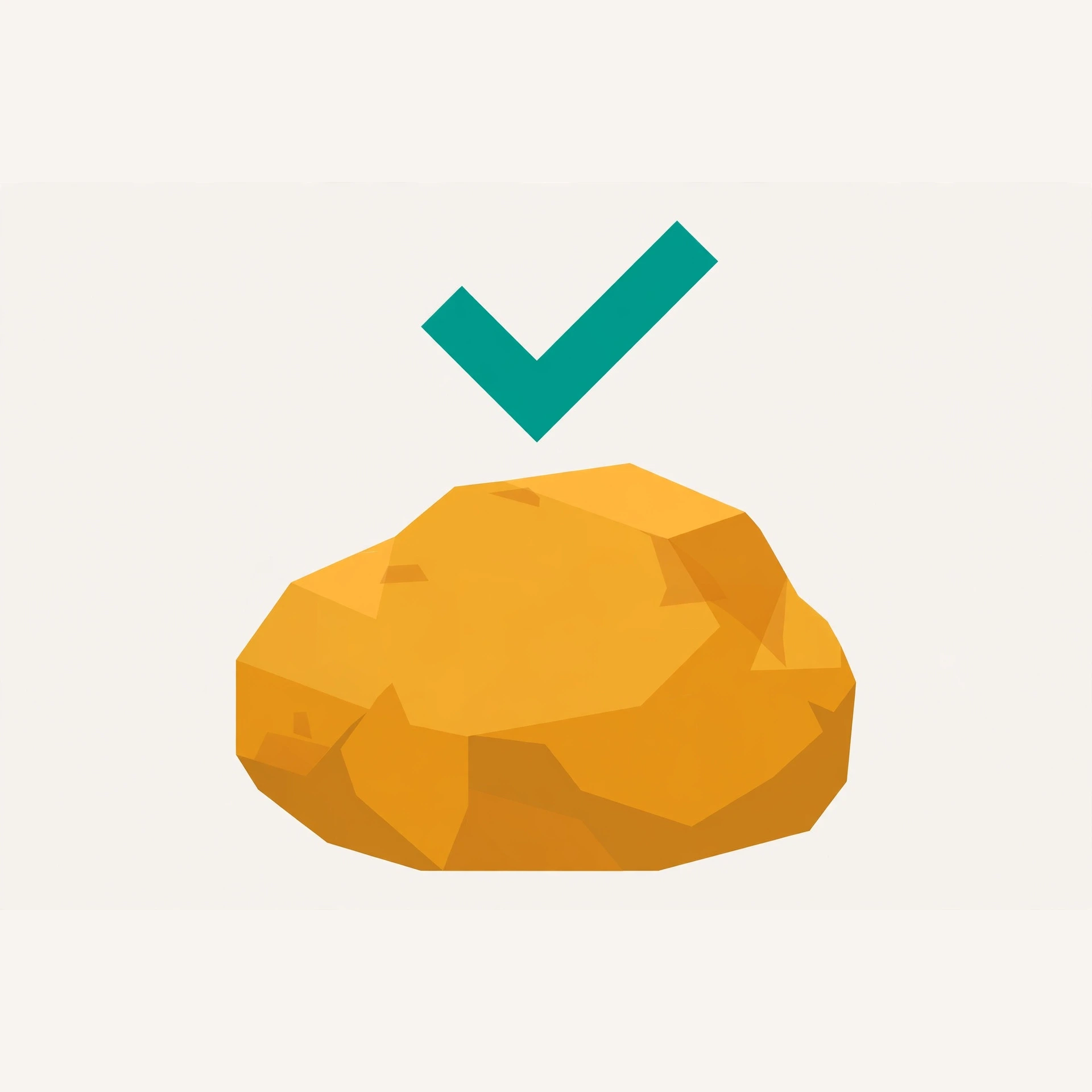
标准

标准
biāozhǔn
standard

打折

打折
dǎzhé
to give a discount

购物

购物
gòuwù
to shop

光

光
guāng
only; merely

广告

广告
guǎnggào
advertisement

寄

寄
jì
to mail; to send

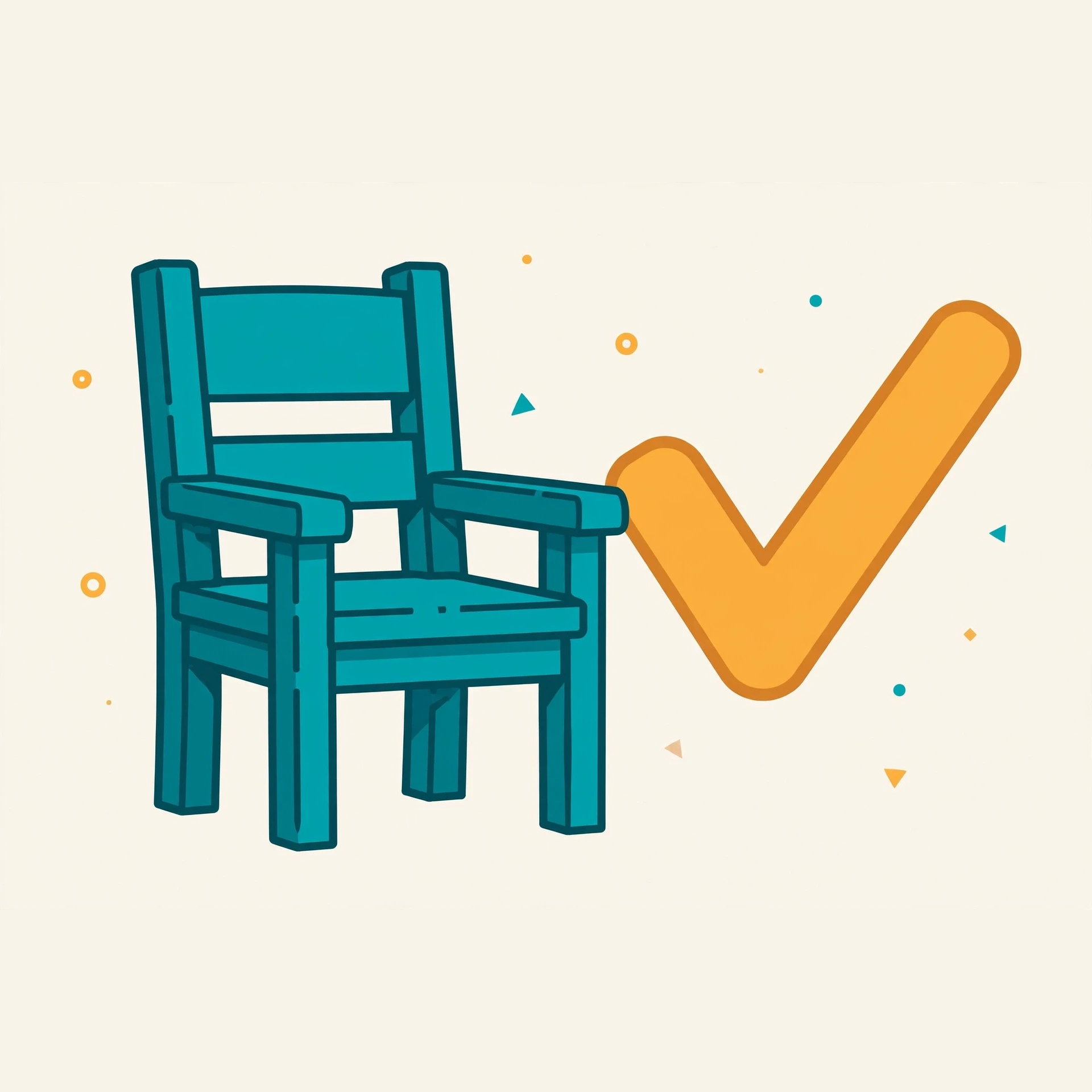
家具

家具
jiājù
furniture

价格

价格
jiàgé
price

考虑

考虑
kǎolǜ
to consider

肯定

肯定
kěndìng
certainly; definitely

浪费

浪费
làngfèi
to waste

流行

流行
liúxíng
to be popular; to be in vogue

年龄

年龄
niánlíng
age

葡萄

葡萄
pútáo
grape

任何

任何
rènhé
any; whatever

沙发

沙发
shāfā
sofa

实际

实际
shíjì
reality; practice

实在

实在
shízài
truly; indeed

受到

受到
shòudào
to receive; to suffer

顺便

顺便
shùnbiàn
conveniently; in passing

台

台
tái
(measure word for machines)

味道

味道
wèidao
taste; smell; flavor

现金

现金
xiànjīn
cash

效果

效果
xiàoguǒ
effect

样子

样子
yàngzi
appearance; style

邀请

邀请
yāoqǐng
to invite

艺术

艺术
yìshù
art

优点

优点
yōudiǎn
advantage; merit

尤其

尤其
yóuqí
especially

质量

质量
zhìliàng
quality

制冷

制冷
zhìlěng
to refrigerate; to cool

购买

购买
gòumǎi
to purchase

商场

商场
shāngchǎng
shopping mall

咱

咱
zán
(colloquial) I; we

做客

做客
zuòkè
to visit as a guest

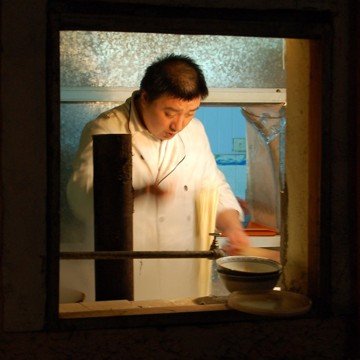
Every card has a picture and audio.

🖼️ Image credits
  • 标准 (biāozhǔn) — AI-generated in workspace: Original AI-generated illustration created in this workspace; no third-party assets used.
  • 打折 (dǎzhé) — AI-generated in workspace: Original AI-generated illustration created in this workspace; no third-party assets used.
  • 购物 (gòuwù) — AI-generated in workspace: Original AI-generated illustration created in this workspace; no third-party assets used.
  • 光 (guāng) — AI-generated in workspace: Original AI-generated illustration created in this workspace; no third-party assets used.
  • 广告 (guǎnggào) — AI-generated in workspace: Original AI-generated illustration created in this workspace; no third-party assets used.
  • 寄 (jì) — AI-generated in workspace: Original AI-generated illustration created in this workspace; no third-party assets used.
  • 家具 (jiājù) — AI-generated in workspace: Original AI-generated illustration created in this workspace; no third-party assets used.
  • 价格 (jiàgé) — AI-generated in workspace: Original AI-generated illustration created in this workspace; no third-party assets used.
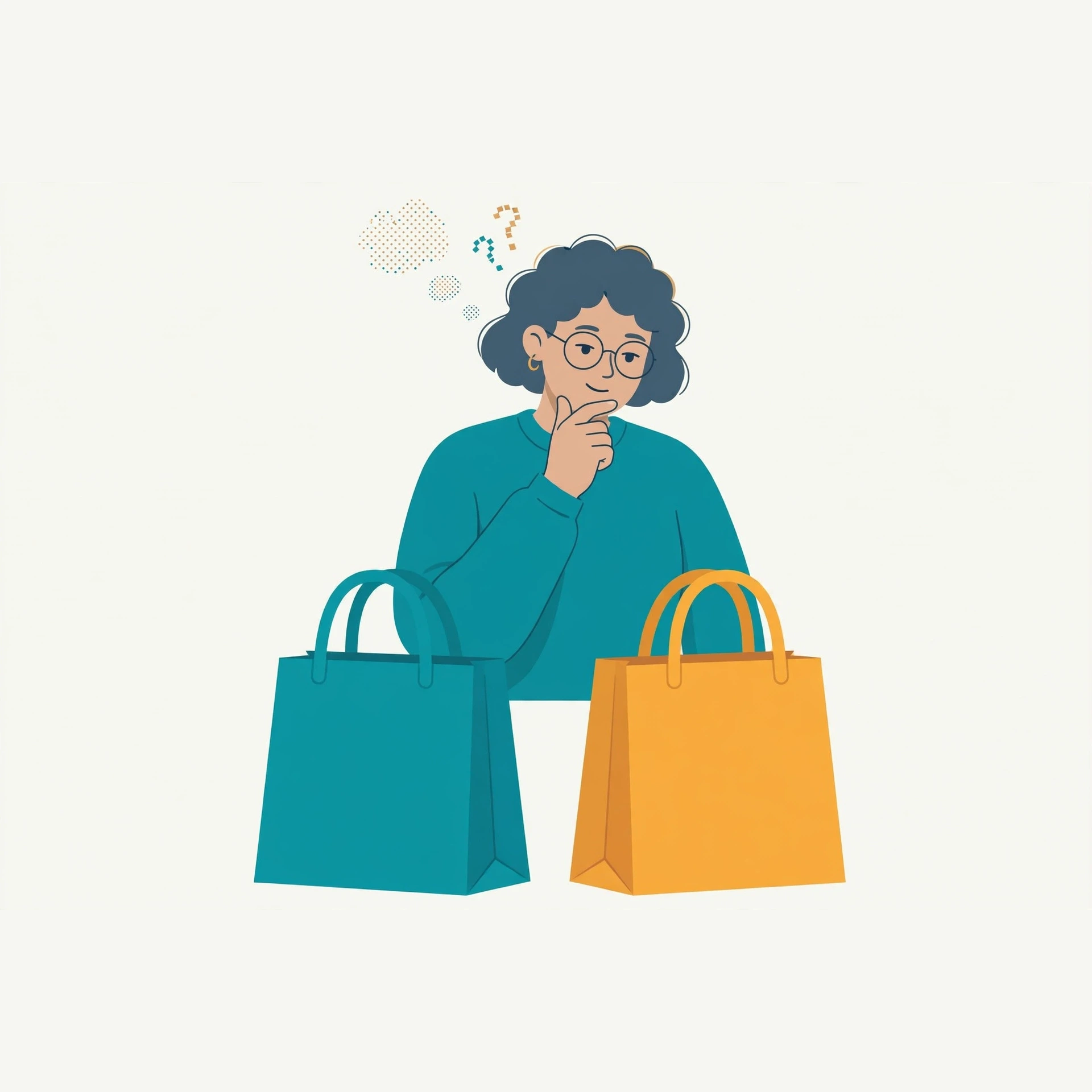
  • 考虑 (kǎolǜ) — AI-generated in workspace: Original AI-generated illustration created in this workspace; no third-party assets used.
  • 肯定 (kěndìng) — AI-generated in workspace: Original AI-generated illustration created in this workspace; no third-party assets used.
  • 浪费 (làngfèi) — AI-generated in workspace: Original AI-generated illustration created in this workspace; no third-party assets used.
  • 流行 (liúxíng) — AI-generated in workspace: Original AI-generated illustration created in this workspace; no third-party assets used.
  • 年龄 (niánlíng) — AI-generated in workspace: Original AI-generated illustration created in this workspace; no third-party assets used.
  • 葡萄 (pútáo) — AI-generated in workspace: Original AI-generated illustration created in this workspace; no third-party assets used.
  • 任何 (rènhé) — AI-generated in workspace: Original AI-generated illustration created in this workspace; no third-party assets used.
  • 沙发 (shāfā) — AI-generated in workspace: Original AI-generated illustration created in this workspace; no third-party assets used.
  • 实际 (shíjì) — AI-generated in workspace: Original AI-generated illustration created in this workspace; no third-party assets used.
  • 实在 (shízài) — AI-generated in workspace: Original AI-generated illustration created in this workspace; no third-party assets used.
  • 受到 (shòudào) — AI-generated in workspace: Original AI-generated illustration created in this workspace; no third-party assets used.
  • 顺便 (shùnbiàn) — AI-generated in workspace: Original AI-generated illustration created in this workspace; no third-party assets used.
  • 台 (tái) — AI-generated in workspace: Original AI-generated illustration created in this workspace; no third-party assets used.
  • 味道 (wèidao) — AI-generated in workspace: Original AI-generated illustration created in this workspace; no third-party assets used.
  • 现金 (xiànjīn) — AI-generated in workspace: Original AI-generated illustration created in this workspace; no third-party assets used.
  • 效果 (xiàoguǒ) — AI-generated in workspace: Original AI-generated illustration created in this workspace; no third-party assets used.
  • 样子 (yàngzi) — AI-generated in workspace: Original AI-generated illustration created in this workspace; no third-party assets used.
  • 邀请 (yāoqǐng) — AI-generated in workspace: Original AI-generated illustration created in this workspace; no third-party assets used.
  • 艺术 (yìshù) — AI-generated in workspace: Original AI-generated illustration created in this workspace; no third-party assets used.
  • 优点 (yōudiǎn) — AI-generated in workspace: Original AI-generated illustration created in this workspace; no third-party assets used.
  • 尤其 (yóuqí) — AI-generated in workspace: Original AI-generated illustration created in this workspace; no third-party assets used.
  • 质量 (zhìliàng) — AI-generated in workspace: Original AI-generated illustration created in this workspace; no third-party assets used.
  • 制冷 (zhìlěng) — AI-generated in workspace: Original AI-generated illustration created in this workspace; no third-party assets used.
  • 购买 (gòumǎi) — AI-generated in workspace: Original AI-generated illustration created in this workspace; no third-party assets used.
  • 商场 (shāngchǎng) — AI-generated in workspace: Original AI-generated illustration created in this workspace; no third-party assets used.
  • 咱 (zán) — AI-generated in workspace: Original AI-generated illustration created in this workspace; no third-party assets used.
  • 做客 (zuòkè) — AI-generated in workspace: Original AI-generated illustration created in this workspace; no third-party assets used.

📖 Grammar

📖 对……来说 (for……) ·

对 + 人/事 + 来说,+ 评价

Gives a viewpoint from someone's perspective. Pattern: 对 + person/thing + 来说 + comment.

对我来说,健康最重要
Duì wǒ lái shuō, jiànkāng zuì zhòngyào
For me, health matters most.
对学生来说,时间不够
Duì xuésheng lái shuō, shíjiān bú gòu
For students, there is not enough time.
📖 尤其 (especially) ·

……,尤其 + 突出部分

Highlights one outstanding part of a whole already mentioned.

我喜欢水果,尤其喜欢葡萄
Wǒ xǐhuan shuǐguǒ, yóuqí xǐhuan pútáo
I like fruit, especially grapes.
这里的东西都很好吃,尤其是米饭
Zhèlǐ de dōngxi dōu hěn hǎochī, yóuqí shì mǐfàn
Everything here is tasty, especially the rice.
📖 肯定 (definitely) ·

肯定 + 动词/会 + 动词

An adverb of certainty, placed before the verb/adjective.

他肯定会来
Tā kěndìng huì lái
He will definitely come.
这件事情肯定有原因
Zhè jiàn shìqing kěndìng yǒu yuányīn
There must be a reason for this.

💬 Dialogue

Smart shopping

A
你觉得这件衣服怎么样
Nǐ juéde zhè jiàn yīfu zěnmeyàng?
What do you think of this item of clothing?
B
样子挺好看的,多少钱
Yàngzi tǐng hǎokàn de, duōshao qián?
It looks quite nice. How much is it?
A
五百块。质量很好
Wǔbǎi kuài. Zhìliàng hěn hǎo
Five hundred yuan. The quality is very good.
B
太贵了,我不想买
Tài guì le, wǒ bù xiǎng mǎi
Too expensive — I do not want to buy it.
A
只买对的,不买贵的。你再考虑考虑
Zhǐ mǎi duì de, bù mǎi guì de. Nǐ zài kǎolǜ kǎolǜ
Buy the right thing, not the expensive thing. Think it over a bit more.
B
你说得对,质量好最重要
Nǐ shuō de duì, zhìliàng hǎo zuì zhòngyào
You are right. Good quality matters most.
A
对,尤其这件还打折呢
Duì, yóuqí zhè jiàn hái dǎzhé ne
Yes — and this one is on sale, too.

🎬 Movie line

不求最好,但求最贵。
Bù qiú zuì hǎo, dàn qiú zuì guì.
Not the best — just the most expensive.

🎞️ 大腕 (Big Shot’s Funeral, 2001) — Feng Xiaogang

A teasing quote for someone who only buys the priciest thing without checking quality.

📝 Words in the line

  • 求 qiú — to seek; to ask for
  • 贵 guì — expensive
  • 最好 zuìhǎo — the best

⚡ Quick cards

这件衣服质量很好。
Zhè jiàn yīfu zhìliàng hěn hǎo.
This item is of very good quality.
现在正在打折。
Xiànzài zhèngzài dǎzhé.
It is on sale now.
只买对的,不买贵的。
Zhǐ mǎi duì de, bù mǎi guì de.
Buy the right thing, not the expensive one.
对我来说,质量最重要。
Duì wǒ lái shuō, zhìliàng zuì zhòngyào.
For me, quality matters most.

⚠️ Verified via well-known clip videos of 大腕 (Big Shot’s Funeral, 2001) that record this line; it is a satirical line in the film, the Chinese text keeps its common form, and it is not claimed to be official subtitles. The flashcards are everyday sentences built on the lesson vocabulary, not lines from the film.

📝 Lesson-end quiz (8 questions)

✅ Correct: 0/8Done: 0/8
Question 1: What does "打折" mean?

💡 Correct answer: discount
Question 2: What is the pinyin of "味道"?

💡 Correct answer: wèidao
Question 3: What does "对……来说" mean?

💡 Pattern 对……来说 = as far as … is concerned — it gives someone’s point of view: 对我来说,质量最重要 = as far as I am concerned, quality matters most.
Question 4: Choose the correct sentence using 尤其:

💡 Correct answer: 我喜欢水果,尤其喜欢葡萄
Question 5: What does "肯定" mean?

💡 肯定 (kěndìng) = definitely — firmly believing something is true and will happen; not necessarily is 不一定.
Question 6: What does "质量" mean?

💡 质量 (zhìliàng) = quality — how good or bad a product is; quantity is 数量.
Question 7: What does "浪费" mean?

💡 Correct answer: wasteful
Question 8: What does "邀请" mean?

💡 邀请 (yāoqǐng) = to invite — to formally ask someone to attend or join: 邀请你参加 = (we) invite you to take part.

📖 Answer key

  1. B — Correct answer: discount
  2. A — Correct answer: wèidao
  3. D — Pattern 对……来说 = as far as … is concerned — it gives someone’s point of view: 对我来说,质量最重要 = as far as I am concerned, quality matters most.
  4. A — Correct answer: 我喜欢水果,尤其喜欢葡萄
  5. C — 肯定 (kěndìng) = definitely — firmly believing something is true and will happen; not necessarily is 不一定.
  6. D — 质量 (zhìliàng) = quality — how good or bad a product is; quantity is 数量.
  7. A — Correct answer: wasteful
  8. B — 邀请 (yāoqǐng) = to invite — to formally ask someone to attend or join: 邀请你参加 = (we) invite you to take part.

🏠 Homework

Match the words

★ Easy

1. 打折
2. 广告
3. 价格
4. 考虑
5. 浪费
6. 质量
7. 邀请
8. 尤其
  • A. prices
  • B.
  • C. wasteful; to waste
  • D.
  • E.
  • F.
  • G. discount
  • H. advertisement

📖 Answer key

  1. 1. 打折 → G (discount)
  2. 2. 广告 → H (advertisement)
  3. 3. 价格 → A (prices)
  4. 4. 考虑 → B
  5. 5. 浪费 → C (wasteful)
  6. 6. 质量 → D
  7. 7. 邀请 → E
  8. 8. 尤其 → F

Fill in the blanks

★ Easy–Medium

Word bank: 打折 · 质量 · 价格 · 考虑 · 浪费 · 肯定

1. 这件衣服正在 ,便宜了很多。 (discounts…)
2. 别只看广告,先看看 怎么样。
3. 我觉得 太高了,不想买。 (prices…)
4. 你再 一下,不用着急。
5. 买了不用,就是 钱。 (wasteful; to waste…)
6. 他明天 会来,你放心。

📖 Answer key

  1. 1. 打折
  2. 2. 质量
  3. 3. 价格
  4. 4. 考虑
  5. 5. 浪费
  6. 6. 肯定

Multiple choice

★★ Medium

✅ Correct: 0/4Done: 0/4

💡 Correct answer: 这件多少钱?质量怎么样

💡 Correct answer: 只买对的,不买贵的

💡 Correct answer: 我喜欢水果,尤其喜欢葡萄

💡 Correct answer: 对我来说,质量最重要

📖 Answer key

  1. C — Correct answer: 这件多少钱?质量怎么样
  2. B — Correct answer: 只买对的,不买贵的
  3. D — Correct answer: 我喜欢水果,尤其喜欢葡萄
  4. A — Correct answer: 对我来说,质量最重要

Role-play

★★ Medium

Shopping with a friend: you ask the price of a coat, your friend praises the quality, and you discuss buying it on sale.

A: 这件衣服怎么样?
B: 样子挺好看的,___怎么样?
A: 五百块,质量很好,还___呢。
B: 对我来说,只买对的,不买___的。
A: 我___好了,就买这件。

🗣️ Model

A
你觉得这件衣服怎么样?
Nǐ juéde zhè jiàn yīfu zěnmeyàng?
What do you think of this coat?
B
样子挺好看的。多少钱?
Yàngzi tǐng hǎokàn de. Duōshao qián?
It looks quite nice. How much is it?
A
五百块,现在打折,四百块。
Wǔbǎi kuài, xiànzài dǎzhé, sìbǎi kuài.
Five hundred yuan — on sale now for four hundred.
B
质量怎么样?广告上说很好。
Zhìliàng zěnmeyàng? Guǎnggào shang shuō hěn hǎo.
How is the quality? The advert says it is very good.
A
对我来说,质量最重要。我考虑好了,就买这件。
Duì wǒ lái shuō, zhìliàng zuì zhòngyào. Wǒ kǎolǜ hǎo le, jiù mǎi zhè jiàn.
For me, quality matters most. I have thought it over — I will take this one.
B
好,我也买一件,送给妈妈。
Hǎo, wǒ yě mǎi yí jiàn, sòng gěi māma.
OK, I will buy one too, for my mother.

Free writing

★★★ Challenge

Write a 6-sentence paragraph about your shopping philosophy.
Write a short 3-sentence advert for something you want to sell (use 打折、肯定).
对我来说,只买对的,不买贵的。这件衣服正在打折,价格不高,质量肯定很好。
Duì wǒ lái shuō, zhǐ mǎi duì de, bù mǎi guì de. Zhè jiàn yīfu zhèngzài dǎzhé, jiàgé bù gāo, zhìliàng kěndìng hěn hǎo.
For me, buy the right thing, not the expensive thing. This item is on sale — the price is low and the quality is certainly good.

  • Includes at least 1 sentence with 对……来说
  • Includes at least 1 sentence using 尤其
  • Includes at least 1 sentence using 肯定
  • Includes at least 6 new words from this lesson

Extra practice

Extra

Make 4 sentences with 对……来说.
Write 4 sentences with 尤其 about your shopping preferences.
Copy 10 key words 3 times each; read them aloud and record yourself.

🧪 Chapter checks

Chapter 1 — Feelings, friendship, work and shopping (Lessons 1–5)

Mid-chapter quiz ( Pinyin 2 (Lesson 2 ×1, Lesson 3 ×1)

Chapter test

✅ Correct: 0/20Done: 0/20
Question 1: What does "印象" mean?

💡 印象 (yìnxiàng) = impression — the feeling that stays in your mind about a person or a thing: 第一印象 = first impression.
Question 2: What does "聚会" mean?

💡 聚会 (jùhuì) = a get-together — an occasion when friends meet, eat and chat.
Question 3: What does "负责" mean?

💡 负责 (fùzé) = to be responsible for — to be in charge of a particular job.
Question 4: What does "积累" mean?

💡 Correct answer: accumulate (Lesson 4)
Question 5: What does "质量" mean?

💡 质量 (zhìliàng) = quality — how good or bad a product is; not to be confused with 数量 (quantity) and 价格 (price).
Question 6: What is the pinyin of "熟悉"?

💡 Correct answer: shúxi (Lesson 1)
Question 7: What is the pinyin of "困难"?

💡 Correct answer: kùnnan (Lesson 2)
Question 8: What is the pinyin of "律师"?

💡 Correct answer: lǜshī (Lesson 3)
Question 9: What is the pinyin of "生意"?

💡 Correct answer: shēngyi (Lesson 4)
Question 10: What is the pinyin of "味道"?

💡 Correct answer: wèidao (Lesson 5)
Question 11: Choose the correct sentence using 即使……也……:

💡 Correct answer: 即使下雨,我们也要去 (Lesson 1)
Question 12: In what position in the sentence does 却 stand?

💡 却 (què) = but, yet — it is an adverb, so it always comes after the subject and before the verb: 他很忙,却很开心.
Question 13: Choose the correct sentence using 挺:

💡 Correct answer: 他挺高的 (Lesson 3)
Question 14: "我以为他不来,原来他已经来了" — what does 以为 express here?

💡 以为 (yǐwéi) = to mistakenly think — a belief that turns out not to be true: 我以为他不来 = I thought he would not come, but in fact he did come.
Question 15: Choose the correct sentence using 对……来说:

💡 Correct answer: 对我来说,健康最重要 (Lesson 5)
Question 16: Read: A: 你觉得什么是爱情?B: 简单的爱情最好,两个人互相喜欢。— What does B think the best love is?

💡 B says “简单的爱情最好,两个人互相喜欢” — simple love is best, two people who like each other: 互相 = each other.
Question 17: Read: A: 毕业以后想做什么?B: 我想先工作。A: 真正的朋友会一直陪着你。— What does A say a true friend will do?

💡 “真正的朋友会一直陪着你” — a true friend will always stay by your side: 一直 = always, 陪 = to accompany, to be with.
Question 18: Read: 经理对我印象不错。— What does this sentence mean?

💡 “经理对我印象不错” — the one who has the impression is 经理 (the boss), and the object is 我 (me): the boss has a good impression of me, not the other way round.
Question 19: Read: A: 不要太着急赚钱,经验也很重要。— What does A advise B?

💡 A advises “不要太着急赚钱,经验也很重要” — don't be too hasty about making money; 经验 (experience) is just as important.
Question 20: Read: 只买对的,不买贵的。质量好最重要。— What does the speaker value most?

💡 “只买对的,不买贵的。质量好最重要” — only buy what is right for you, don't chase expensive things; good quality matters most.

📖 Answer key

  1. C — 印象 (yìnxiàng) = impression — the feeling that stays in your mind about a person or a thing: 第一印象 = first impression.
  2. A — 聚会 (jùhuì) = a get-together — an occasion when friends meet, eat and chat.
  3. D — 负责 (fùzé) = to be responsible for — to be in charge of a particular job.
  4. B — Correct answer: to accumulate (Lesson 4)
  5. A — 质量 (zhìliàng) = quality — how good or bad a product is; not to be confused with 数量 (quantity) and 价格 (price).
  6. D — Correct answer: shúxi (Lesson 1)
  7. B — Correct answer: kùnnan (Lesson 2)
  8. C — Correct answer: lǜshī (Lesson 3)
  9. B — Correct answer: shēngyi (Lesson 4)
  10. A — Correct answer: wèidao (Lesson 5)
  11. A — Correct answer: 即使下雨,我们也要去 (Lesson 1)
  12. D — 却 (què) = but, yet — it is an adverb, so it always comes after the subject and before the verb: 他很忙,却很开心.
  13. D — Correct answer: 他挺高的 (Lesson 3)
  14. B — 以为 (yǐwéi) = to mistakenly think — a belief that turns out not to be true: 我以为他不来 = I thought he would not come, but in fact he did come.
  15. C — Correct answer: 对我来说,健康最重要 (Lesson 5)
  16. A — B says “简单的爱情最好,两个人互相喜欢” — simple love is best, two people who like each other: 互相 = each other.
  17. C — “真正的朋友会一直陪着你” — a true friend will always stay by your side: 一直 = always, 陪 = to accompany, to be with.
  18. D — “经理对我印象不错” — the one who has the impression is 经理 (the boss), and the object is 我 (me): the boss has a good impression of me, not the other way round.
  19. A — A advises “不要太着急赚钱,经验也很重要” — don't be too hasty about making money; 经验 (experience) is just as important.
  20. B — “只买对的,不买贵的。质量好最重要” — only buy what is right for you, don't chase expensive things; good quality matters most.

🧩 Practice Bank

Extra practice bank for this lesson: multiple choice, listening, matching, fill-in, sentence building, dialogue, speaking and writing. Tap the speaker button to play this lesson's own vocabulary/dialogue recordings.

Multiple choice

★ Easy → Challenge

✅ Correct: 0/8
Done: 0/8
What does “葡萄” mean?


💡 葡萄 (pútáo) means grapes.
The correct pinyin of “价格” is:


💡 价 is 4th tone and 格 is 2nd tone: jiàgé.
Which tone is “折” (zhé) in “打折”?


💡 zhé is the rising 2nd tone.
The correct pinyin of “沙发” is:


💡 沙 and 发 are both 1st tone here: shāfā.
To say “For children, more exercise is better than more TV”, choose:


💡 Pattern: 对 + person + 来说 + comment.
To say “He likes sports, especially swimming”, choose the correct “尤其” sentence:


💡 尤其 precedes the highlighted part after the general clause.
What does “现金” mean?


💡 现金 (xiànjīn) means cash.
To say “For me, quality is definitely more important than looks”, choose:


💡 对……来说 puts the person after 对; 肯定 precedes the affirmed verb/adjective.

📖 Answer key

  1. B — grapes
  2. C — jiàgé
  3. A
  4. C — shāfā
  5. D — 对孩子来说,多运动比多看电视好。
  6. C — 他喜欢运动,尤其喜欢游泳。
  7. D
  8. B — 对我来说,质量肯定比样子重要。

Listen and choose

★ Easy

✅ Correct: 0/3
Done: 0/3
Listen to the Lesson 5 word list and choose the word that is NOT read.


💡 奖金 (jiǎngjīn) is the word not read; the recording reads only Lesson 5 words such as 打折, 质量 and 葡萄.
Listen: how much is that item of clothing?


💡 The line “五百块。质量很好” says it costs five hundred yuan.
Listen: after hearing the price, how did B react at first?


💡 The line “太贵了,我不想买” says B found it too expensive and did not want to buy.

📖 Answer key

  1. B — 奖金
  2. A — Five hundred yuan
  3. C — Found it too expensive and did not want to buy yet

Match the characters to the pinyin

★ Easy

Characters
1. 标准
2. 家具
3. 流行
4. 沙发
5. 现金
6. 效果
  • A. liúxíng
  • B. xiànjīn
  • C. biāozhǔn
  • D. xiàoguǒ
  • E. jiājù
  • F. shāfā


📖 Answer key

  1. 1. 标准 → C (biāozhǔn)
  2. 2. 家具 → E (jiājù)
  3. 3. 流行 → A (liúxíng)
  4. 4. 沙发 → F (shāfā)
  5. 5. 现金 → B (xiànjīn)
  6. 6. 效果 → D (xiàoguǒ)

Fill in the blanks

★★ Medium

Word bank: 购物 · 广告 · 寄 · 年龄 · 邀请 · 任何

1. 周末我们去商场 吧。 ( go shopping at the mall at the weekend)
2. 这个 说得很好,我们先看看质量。 ( this advertisement sounds great)
3. 我想把这本书 给朋友。 ( mail this book to a friend)
4. 请问,您的 是多少? ( ask your age politely)
5. 他 我明天去他家做客。 ( invites me to visit tomorrow)


📖 Answer key

  1. 1. 周末我们去商场购物吧。
  2. 2. 这个广告说得很好,我们先看看质量。
  3. 3. 我想把这本书寄给朋友。
  4. 4. 请问,您的年龄是多少?
  5. 5. 他邀请我明天去他家做客。

Build a sentence

★★ Medium

Type the words in the correct order.

1. 对 / 学生 / 来说 / , / 时间 / 很 / 重要 / 。 ( for students, time matters)
2. 我 / 喜欢 / 运动 / , / 尤其 / 喜欢 / 游泳 / 。 ( likes sports, especially swimming)


📖 Answer key

  1. 1. 对学生来说,时间很重要。
  2. 2. 我喜欢运动,尤其喜欢游泳。

Complete the dialogue

★★ Medium

A
这件衣服打折吗?
B

( say it is on sale, from five hundred to four hundred)

A
那质量怎么样?
A
你为什么不买那件贵的?
B

( say nice looks do not guarantee quality and you want to think more)

A
那我们再看看吧。


📖 Answer key

  1. 1. 这件衣服打折吗? / 【打折,原来五百块,现在四百块。】 / 那质量怎么样?
  2. 2. 你为什么不买那件贵的? / 【因为样子好看不一定质量好,我想多考虑一下。】 / 那我们再看看吧。

Say it out loud

★★ Medium

Talk about how you shop: what do you check first, and what will you do if the price is too high?

🗣️ Model

我买东西先看质量,不先看广告。
Wǒ mǎi dōngxi xiān kàn zhìliàng, bù xiān kàn guǎnggào.
When I shop, I check quality first, not the advertisement first.
价格太高,我就不买。
Jiàgé tài gāo, wǒ jiù bù mǎi.
If the price is too high, I will not buy it.
Recommend an item of clothing to a friend: they will surely like it because it looks good, is well made, and is on sale.

🗣️ Model

他肯定会喜欢这件衣服。
Tā kěndìng huì xǐhuan zhè jiàn yīfu.
He will definitely like this item of clothing.
样子好看,质量也很好,还打折呢。
Yàngzi hǎokàn, zhìliàng yě hěn hǎo, hái dǎzhé ne.
It looks nice, the quality is good too, and it is on sale.

Free writing

★★★ Challenge

Write 4–5 sentences about your shopping view: what you check first, what matters most to you, and when you buy sale items.

📄 Sample

我买东西的时候,先看质量,再看价格。商场的广告很多,我不会都相信。对我来说,买对的东西最重要。这件沙发现在打折,我考虑好了再买。
Wǒ mǎi dōngxi de shíhou, xiān kàn zhìliàng, zài kàn jiàgé. Shāngchǎng de guǎnggào hěn duō, wǒ bú huì dōu xiāngxìn. Duì wǒ lái shuō, mǎi duì de dōngxi zuì zhòngyào. Zhè jiàn shāfā xiànzài dǎzhé, wǒ kǎolǜ hǎo le zài mǎi.
When I shop, I check quality first and then the price. There are many advertisements at the mall, and I do not believe all of them. For me, buying the right thing matters most. This sofa is on sale now; I will think it over carefully before buying.

Checklist:

  • Uses 对……来说……
  • Includes one 尤其 sentence
  • Includes one 肯定 sentence
  • Mentions a sale or quality
  • Each sentence ends with 。 or !