生活可以更美好
🎯 Objectives
- Learn and use 34 new words about signing up, work and attitudes to life
- Use 敢, 恐怕, 到底 and the 拿……来说 pattern
- Talk about daring to try something new and encouraging friends
📚 Picture vocabulary (34 words)







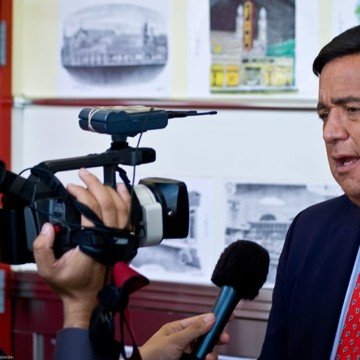
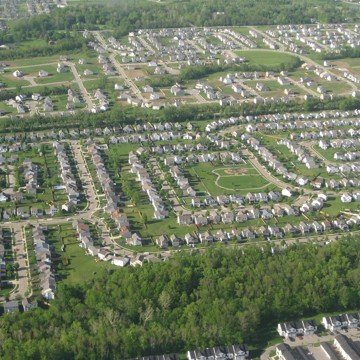


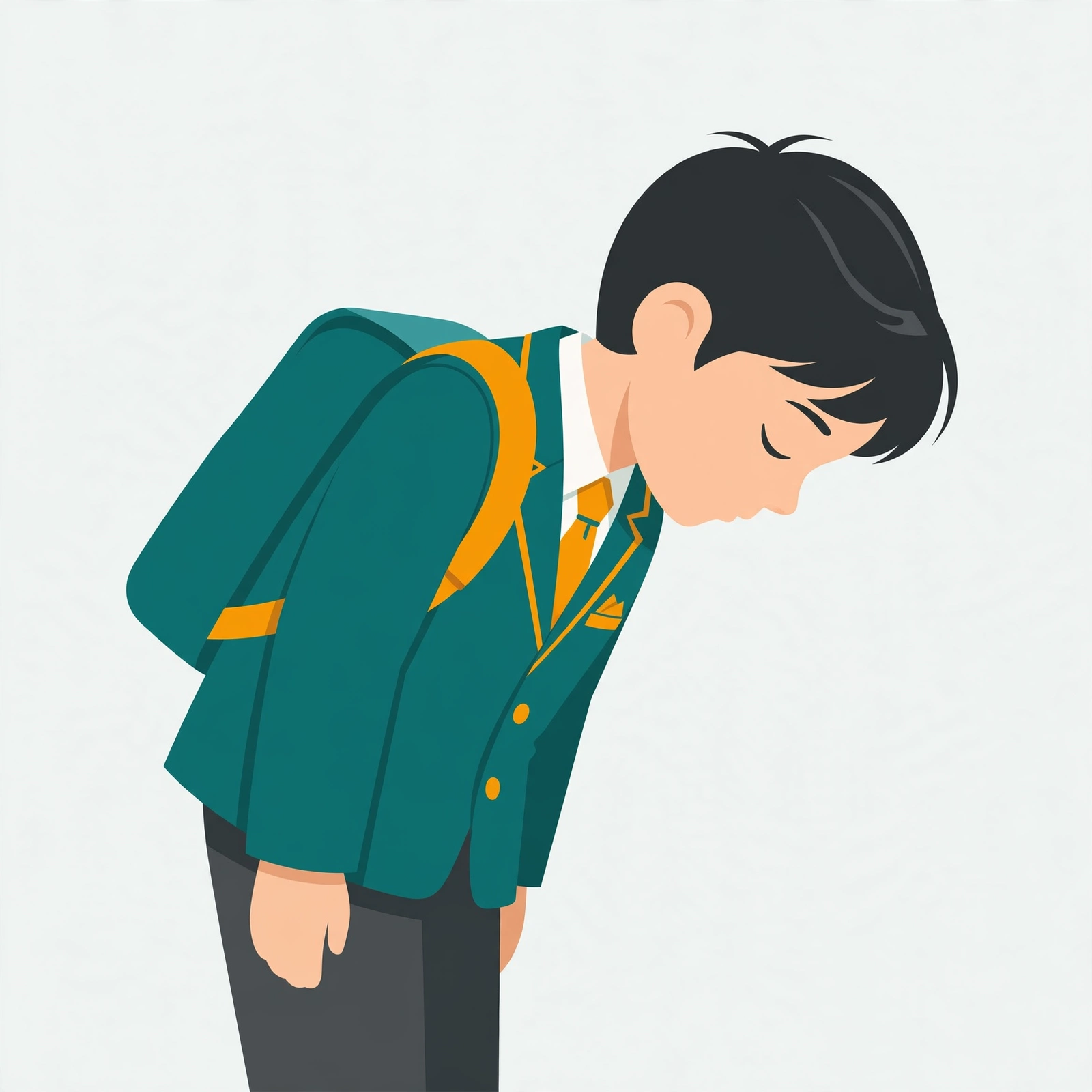






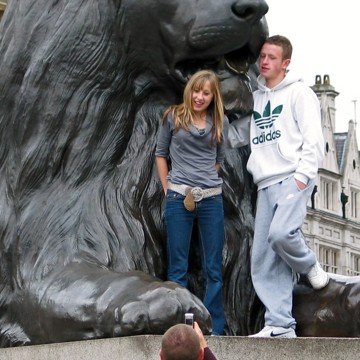




Every card has a picture and audio.
🖼️ Image credits
- 报名 (bàomíng) — AI-generated in workspace: Original AI-generated illustration created in this workspace; no third-party assets used.
- 表格 (biǎogé) — AI-generated in workspace: Original AI-generated illustration created in this workspace; no third-party assets used.
- 博士 (bóshì) — AI-generated in workspace: Original AI-generated illustration created in this workspace; no third-party assets used.
- 参观 (cānguān) — AI-generated in workspace: Original AI-generated illustration created in this workspace; no third-party assets used.
- 传真 (chuánzhēn) — AI-generated in workspace: Original AI-generated illustration created in this workspace; no third-party assets used.
- 导游 (dǎoyóu) — AI-generated in workspace: Original AI-generated illustration created in this workspace; no third-party assets used.
- 到底 (dàodǐ) — AI-generated in workspace: Original AI-generated illustration created in this workspace; no third-party assets used.
- 敢 (gǎn) — AI-generated in workspace: Original AI-generated illustration created in this workspace; no third-party assets used.
- 挂 (guà) — AI-generated in workspace: Original AI-generated illustration created in this workspace; no third-party assets used.
- 号码 (hàomǎ) — AI-generated in workspace: Original AI-generated illustration created in this workspace; no third-party assets used.
- 激动 (jīdòng) — AI-generated in workspace: Original AI-generated illustration created in this workspace; no third-party assets used.
- 记者 (jìzhě) — AI-generated in workspace: Original AI-generated illustration created in this workspace; no third-party assets used.
- 郊区 (jiāoqū) — AI-generated in workspace: Original AI-generated illustration created in this workspace; no third-party assets used.
- 恐怕 (kǒngpà) — AI-generated in workspace: Original AI-generated illustration created in this workspace; no third-party assets used.
- 冷静 (lěngjìng) — AI-generated in workspace: Original AI-generated illustration created in this workspace; no third-party assets used.
- 礼貌 (lǐmào) — AI-generated in workspace: Original AI-generated illustration created in this workspace; no third-party assets used.
- 马虎 (mǎhu) — AI-generated in workspace: Original AI-generated illustration created in this workspace; no third-party assets used.
- 签证 (qiānzhèng) — AI-generated in workspace: Original AI-generated illustration created in this workspace; no third-party assets used.
- 失望 (shīwàng) — AI-generated in workspace: Original AI-generated illustration created in this workspace; no third-party assets used.
- 输 (shū) — AI-generated in workspace: Original AI-generated illustration created in this workspace; no third-party assets used.
- 同情 (tóngqíng) — AI-generated in workspace: Original AI-generated illustration created in this workspace; no third-party assets used.
- 推 (tuī) — AI-generated in workspace: Original AI-generated illustration created in this workspace; no third-party assets used.
- 小伙子 (xiǎohuǒzi) — AI-generated in workspace: Original AI-generated illustration created in this workspace; no third-party assets used.
- 呀 (ya) — AI-generated in workspace: Original AI-generated illustration created in this workspace; no third-party assets used.
- 预习 (yùxí) — AI-generated in workspace: Original AI-generated illustration created in this workspace; no third-party assets used.
- 原谅 (yuánliàng) — AI-generated in workspace: Original AI-generated illustration created in this workspace; no third-party assets used.
- 重点 (zhòngdiǎn) — AI-generated in workspace: Original AI-generated illustration created in this workspace; no third-party assets used.
- 重视 (zhòngshì) — AI-generated in workspace: Original AI-generated illustration created in this workspace; no third-party assets used.
- 自信 (zìxìn) — AI-generated in workspace: Original AI-generated illustration created in this workspace; no third-party assets used.
- 尊重 (zūnzhòng) — AI-generated in workspace: Original AI-generated illustration created in this workspace; no third-party assets used.
- 代表 (dàibiǎo) — AI-generated in workspace: Original AI-generated illustration created in this workspace; no third-party assets used.
- 美好 (měihǎo) — AI-generated in workspace: Original AI-generated illustration created in this workspace; no third-party assets used.
- 填 (tián) — AI-generated in workspace: Original AI-generated illustration created in this workspace; no third-party assets used.
- 信 (xìn) — AI-generated in workspace: Original AI-generated illustration created in this workspace; no third-party assets used.
📖 Grammar
📖 敢 (to dare) ·
敢 + Verb; negative 不敢 + Verb
敢 + verb — "to dare to do…". Negative: 不敢.
📖 恐怕 (I’m afraid that) ·
恐怕 + Clause
恐怕 starts a sentence, expressing worry or an uncertain prediction ("I'm afraid…").
📖 到底 (after all) ·
Subject + 到底 + Verb Phrase?
到底 goes before the verb in questions, stressing the desire to know the truth ("exactly…").
📖 拿……来说 (taking… as an example) ·
拿 + Noun + 来说, Clause
拿 + noun + 来说 — gives a concrete example ("taking… as an example").
💬 Dialogue
🗣️ 敢试一试 ·
🎬 Movie line
🎞️ Soul / 《心灵奇旅》 (2020) — Pixar
Joe spent his whole life chasing one big jazz performance; after his journey with the soul 22, he understands that a beautiful life is not about one special day, but about treasuring every ordinary minute. A perfect match for the spirit of this lesson, 生活可以更美好 (Life Can Be More Beautiful) — dare to live, dare to try.
Use it to remind yourself and your friends not to wait for "someday": treasure today and dare to begin.
📝 Words in the line
- 珍惜 zhēnxī — to treasure; to cherish
- 活着 huózhe — to be alive; living
- 分钟 fēnzhōng — minute
⚡ Quick cards
📝 Lesson-end quiz (8 questions)
📖 Answer key
- C — Correct answer: to dare
- A — Correct answer: dàodǐ
- D — 恐怕 (kǒngpà) = “I’m afraid that…” — it opens a guess that something bad may happen: 恐怕要下雨了 = I’m afraid it’s about to rain.
- B — The pattern 拿……来说 = take… as an example: 拿北京来说 = take Beijing as an example — a way to open when giving a typical example.
- B — 自信 (zìxìn) = self-confidence — believing in your own ability; lacking confidence is the opposite, and too much confidence turns into arrogance: 骄傲.
- D — Correct answer: 希望
- C — Correct answer: 你到底去不去
- A — 原谅 (yuánliàng) = to forgive — to let go of someone else’s mistake: 请原谅我 = please forgive me.
🏠 Homework
Match the words
★ Easy
| 1. 报名 | |
| 2. 表格 | |
| 3. 博士 | |
| 4. 参观 | |
| 5. 导游 | |
| 6. 签证 | |
| 7. 自信 | |
| 8. 尊重 |
- A.
- B. tham quan
- C.
- D.
- E.
- F.
- G.
- H.
📖 Answer key
- 1. 报名 → G
- 2. 表格 → H
- 3. 博士 → A
- 4. 参观 → B (tham quan)
- 5. 导游 → C
- 6. 签证 → D
- 7. 自信 → E
- 8. 尊重 → F
Fill in the blanks
★ Easy–Medium
Word bank: 敢 · 恐怕 · 到底 · 自信 · 报名 · 表格
📖 Answer key
- 1. 报名
- 2. 表格
- 3. 敢
- 4. 恐怕
- 5. 到底
- 6. 自信
Multiple choice
★★ Medium
📖 Answer key
- C — Encouragement with 敢 plus 试一试
- A — 恐怕 starts a worried guess
- D — Most natural situation
- B — Correct comforting sentence
Role-play
★★ Medium
A friend suggests travelling solo: you admit you once dared not, they encourage you, and you plan the next trip.
🗣️ Model
Free writing
★★★ Challenge
- Includes at least 2 sentences with 敢 or 不敢
- Includes at least 1 sentence with 恐怕
- Includes at least 6 new words from this lesson
- Has the required number of sentences, each ending with 。
Extra practice
Extra
🧪 Chapter checks
Chapter 4 — Living better, nature and technology (Lessons 16–20)
Mid-chapter quiz ( Pinyin 2
Chapter test ( Pinyin 5
🧩 Practice Bank
Extra practice bank for this lesson: multiple choice, listening, matching, fill-in, sentence building, dialogue, speaking and writing. Tap the speaker button to play this lesson's own vocabulary/dialogue recordings.
Multiple choice
★ Easy → Challenge
📖 Answer key
- B
- D — yùxí
- B
- D — 记者
- C — 她敢一个人坐飞机。
- A — 恐怕她明天不能来了。
- D
- B — 拿我来说,我敢报名,你到底报不报名?
Listen and choose
★ Easy
📖 Answer key
- C — 幸福
- D — Now dares to go alone
- D — Because last year B went to Beijing alone and had a great time
Match the pinyin to the characters
★ Easy
| Pinyin | |
|---|---|
| 1. jīdòng | |
| 2. lěngjìng | |
| 3. mǎhu | |
| 4. yùxí | |
| 5. shīwàng | |
| 6. hàomǎ |
- A. 冷静
- B. 号码
- C. 激动
- D. 马虎
- E. 失望
- F. 预习
📖 Answer key
- 1. jīdòng → C (激动)
- 2. lěngjìng → A (冷静)
- 3. mǎhu → D (马虎)
- 4. yùxí → F (预习)
- 5. shīwàng → E (失望)
- 6. hàomǎ → B (号码)
Fill in the blanks
★★ Medium
Word bank: 报名 · 预习 · 冷静 · 表格 · 自信 · 号码
📖 Answer key
- 1. 他已经报名参加学校的歌唱比赛了。
- 2. 上新课以前,老师让我们先预习课文。
- 3. 遇到难事,先别着急,要冷静一点儿。
- 4. 请在这张表格上写你的名字。
- 5. 考试的时候,他对自己很有自信,一点儿也不紧张。
Build a sentence
★★ Medium
Type the words in the correct order.
📖 Answer key
- 1. 她敢一个人去郊区旅游。
- 2. 拿我来说,我更喜欢安静的郊区。
Complete the dialogue
★★ Medium
( say you have not signed up and do not dare to go alone)
( say tomorrow probably will not work because you still need a visa)
📖 Answer key
- 1. 你报名了吗? / 【还没有,我不敢一个人去报名。】 / 别担心,我跟你一起去。
- 2. 你到底什么时候去? / 【恐怕明天不行,我还要办签证。】 / 那我们下星期去吧。
Say it out loud
★★ Medium
🗣️ Model
🗣️ Model
Free writing
★★★ Challenge
📄 Sample
Checklist:
- Uses 敢 / 不敢 to say dare or not dare
- Uses 恐怕 for a worried guess
- Uses 拿……来说 to give an example
- Uses 自信 or 美好
- Each sentence ends with 。