你叫什么名字
🎯 Objectives
- Ask and say names — yours and others’
- Use 吗 questions and 是 sentences
- Ask “what” with 什么
📚 Picture vocabulary (12 words)

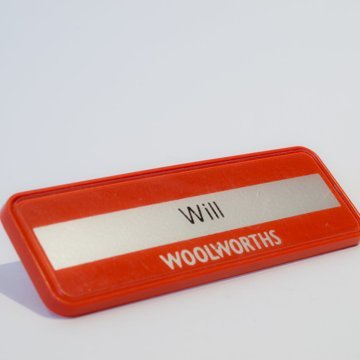

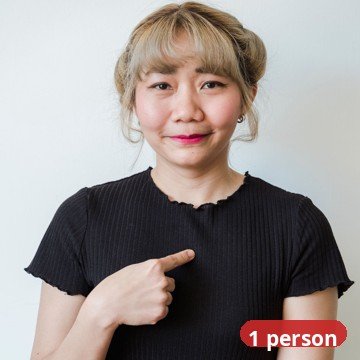







Every card has a picture and audio.
🖼️ Image credits
- 叫 (jiào) — AI-generated in workspace: Original AI-generated illustration created in this workspace; no third-party assets used.
- 名字 (míngzi) — AI-generated in workspace: Original AI-generated illustration created in this workspace; no third-party assets used.
- 什么 (shénme) — AI-generated in workspace: Original AI-generated illustration created in this workspace; no third-party assets used.
- 我 (wǒ) — AI-generated in workspace: Original AI-generated illustration created in this workspace; no third-party assets used.
- 是 (shì) — AI-generated in workspace: Original AI-generated illustration created in this workspace; no third-party assets used.
- 老师 (lǎoshī) — AI-generated in workspace: Original AI-generated illustration created in this workspace; no third-party assets used.
- 学生 (xuésheng) — AI-generated in workspace: Original AI-generated illustration created in this workspace; no third-party assets used.
- 人 (rén) — AI-generated in workspace: Original AI-generated illustration created in this workspace; no third-party assets used.
- 吗 (ma) — AI-generated in workspace: Original AI-generated illustration created in this workspace; no third-party assets used.
- 中国 (Zhōngguó) — AI-generated in workspace: Original AI-generated illustration created in this workspace; no third-party assets used.
- 美国 (Měiguó) — AI-generated in workspace: Original AI-generated illustration created in this workspace; no third-party assets used.
- 李月 (Lǐyuè) — AI-generated in workspace: Original AI-generated illustration created in this workspace; no third-party assets used.
📖 Grammar
📖 吗 questions — asking yes/no
Statement + 吗?
Add 吗 to the end of a statement to make a yes/no question. Answer by repeating the verb: 是 / 不是, 好 / 不好.
📖 是 sentences — “to be”
Subject + 是 + noun
是 links two nouns: 我是学生 (I am a student). Negative: 不是. Note: adjectives don't take 是 — they use 很 (Lesson 6).
📖 什么 — asking “what”
[verb] + 什么?
什么 sits right after the verb, exactly where the answer goes: 你叫什么名字? (What is your name?). No word-order change like English.
📖 呢 — asking back “and you?”
Pronoun / noun + 呢?
呢 turns a short fragment into a bounce-back question — “and you? / what about…?” — so you never repeat the whole question: just the person or thing + 呢.
📌 Common trap: when asking back, don't repeat the full question and don't add 吗 — just say 你呢? (don't say “你呢吗?”)
🧩 Patterns
🧩 你叫什么名字?→ 我叫 + [name]
🧩 [person] 是 [country] 人
💬 Dialogue
🗣️ Meeting a new friend
📝 Words in the dialogue
New words from the dialogue, one by one.
- 呢 ne — sentence-final particle used to ask back
- 也 yě — also, too
🎬 Movie line
🎞️ 哪吒之魔童降世 (Ne Zha, 2019) — Na Tra (哪吒)
Nezha’s explosive line as he declares who he is — right in the spirit of this lesson on introducing yourself: your name and who you are are yours to say.
A bold, playful way to say “I'll decide for myself”; soften it in polite company.
📝 Words in the line
- 命 mìng — fate, life
- 由 yóu — by, from
- 天 tiān — heaven, sky
⚡ Quick cards
⚠️ A real, famous movie line — the film and the speaker are both confirmed. The flashcards use everyday sentences on the same theme, not lines from the film.
📝 Lesson-end quiz (8 questions)
📖 Answer key
- B — 叫 + name: 你叫什么名字?
- C — Negate 是 → 不是.
- D — 吗 always goes at the end of the sentence.
- C — [country] + 人 = a person from that country.
- A — 什么 = what.
- A — Pattern [country] + 人: 她是美国人。
- B — Answer with your name using 我叫 + name.
- D — Add 吗 at the end of the sentence: 他是老师吗?
🏠 Homework (from easy to hard)
A. Match the words
★ Easy
| Word | Meaning (choose a letter) |
|---|---|
| 1. 叫 | |
| 2. 名字 | |
| 3. 什么 | |
| 4. 我 | |
| 5. 是 | |
| 6. 老师 | |
| 7. 学生 | |
| 8. 人 |
- A. what
- B. I, me
- C. to be
- D. teacher
- E. student
- F. person
- G. to be called
- H. name
📖 Answer key
- 叫 → G (to be called)
- 名字 → H (name)
- 什么 → A (what)
- 我 → B (I, me)
- 是 → C (to be)
- 老师 → D (teacher)
- 学生 → E (student)
- 人 → F (person)
B. Fill in the blanks
★ Easy–Medium
Word bank: 叫 · 什么 · 是 · 吗 · 人 · 也
📖 Answer key
- 叫
- 什么
- 是
- 吗
- 人
- 也
C. Multiple choice
★★ Medium
📖 Answer key
- C — Ask a name: 你叫什么名字?
- A — Negate with 不是, then say your real role: 我是学生。
- B — A 吗 question: 你是中国人吗?
- D — My name is Li Yue, and I am a student.
D. Role-play
★★ Medium
Role-play meeting a new friend: ask names, say you are a student, ask nationality.
Dialogue frame (fill in the blanks, then role-play in pairs):
🗣️ Model
E. Free writing
★★★ Challenge
Check your work before submitting:
- It has 我叫 + name
- It has 我是学生
- It has a question with 什么 or 吗
- Every sentence ends with 。 or ?
F. Extra practice
Extra
🧪 Chapter checks
Chapter 1 — Greetings, introductions and family (Lessons 1–5)
Mid-chapter quiz (after Lesson 3, 10 questions): Vocabulary 4 (Lessons 1–3) · Pinyin 2 · Grammar 3 · Dialogue reading 1.
Chapter test (after Lesson 5, 20 questions): Vocabulary 5 · Numbers 1 · Pinyin 3 · Grammar 7 · Dialogue reading 4 — covers Lessons 1–5.
🧪 Mid-chapter quiz (10 questions)
📖 Answer key
- A — 没关系 (méiguānxi) = that's OK. (Lesson 1)
- A — 名字 (míngzi) = name. (Lesson 3)
- A — 学生 (xuésheng) = student. (Lesson 3)
- B — 再见 (zàijiàn) = goodbye. (Lesson 2)
- D — 谢谢 is pronounced xièxie. (Lesson 2)
- D — 中国 is pronounced Zhōngguó. (Lesson 3)
- C — 吗 goes at the end of the sentence: 你是学生吗? (Lesson 3)
- B — 不 goes before 是: 我不是老师。 (Lessons 2–3)
- B — 叫 + name: 你叫什么名字? (Lesson 3)
- C — In B's self-introduction: 我是学生. (Lesson 3)
Want to follow the 90-day roadmap?
HSK 1 lessons on LingoBubbo are always free — and the roadmap package gives you a day-by-day study plan + an exclusive workbook (not available on the website) + a weekly “what can I say now?” checklist + 186 flashcards, like learning with a teacher beside you. From just $4.99, one-time purchase, no subscription.
Done with Lesson 3? Take this lesson's own test as well to lock it in: