Featured this week
Pick a post below and start learning.
Find a Language Exchange Partner
Where to look and what to say first.
WORKAnswer Work Phone Calls in Professional English
Sound calm and clear on every call.
ESPAÑOLSpanish Small Talk: 20 Friendly Phrases
Sound friendly, not robotic.
Tips, trends, and real talk about learning English, Chinese, Korean, Spanish, and Vietnamese — new posts every day.
-
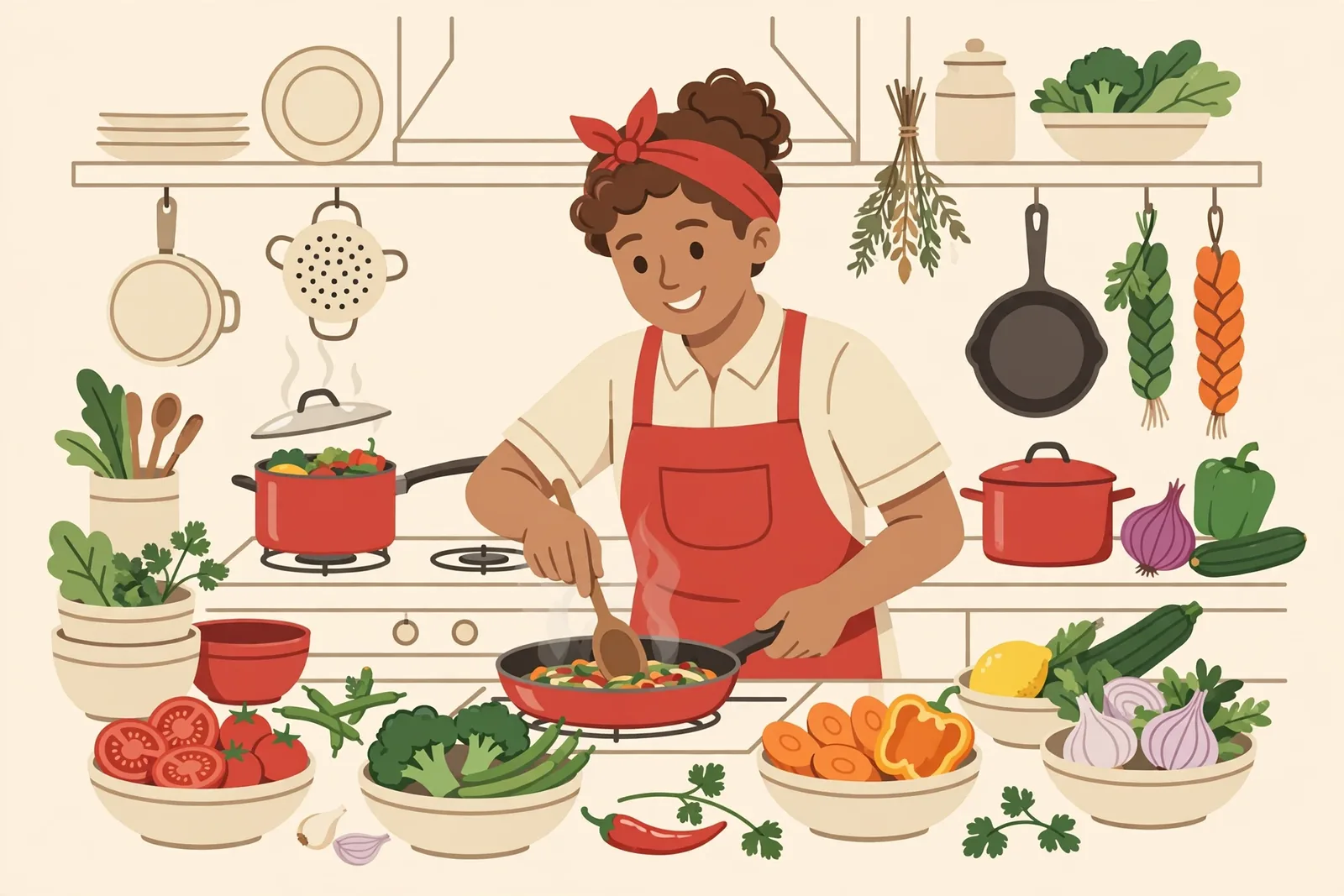
25 English Cooking Verbs: Talk in the Kitchen Like a Native Chef
Have you ever watched a cooking video by a foreign chef, heard them say “dice the onion, sauté until golden, then deglaze the pan”, and only understood the word “onion”? Kitchen English isn’t hard — it’s all action verbs. Learn the 25 verbs below and you’ll understand almost every recipe in English. The nice thing…
-

A 30-Day Chinese Self-Study Roadmap for Complete Beginners Starting from Zero
You don’t know a single Chinese character yet. You open a book, see nothing but “horizontal and vertical strokes”, and have no idea where to start? Don’t worry — over the next 30 days, if you spend just 25 minutes a day following the roadmap below, you will be able to greet people, count from…
-
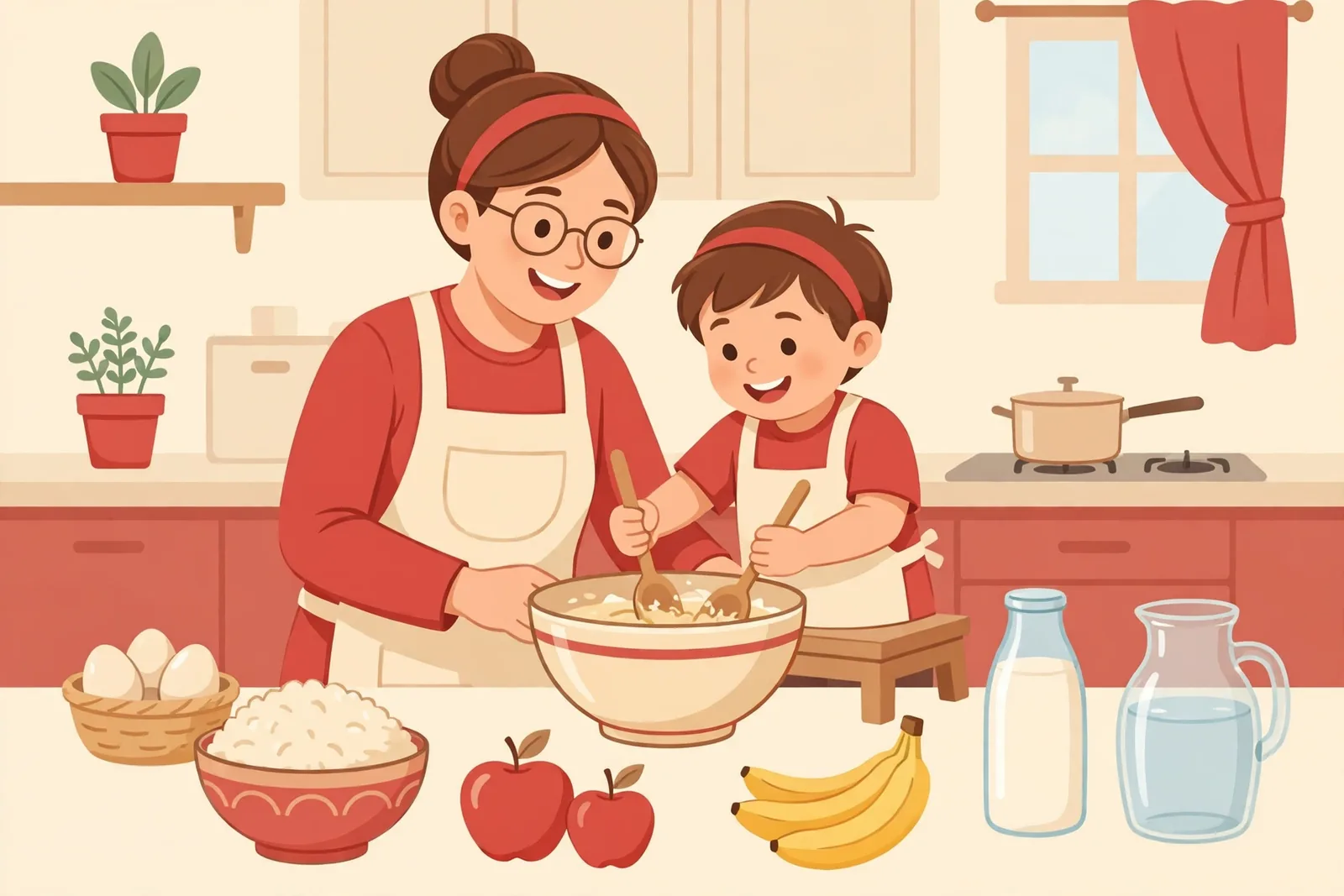
Teaching Your Child Chinese Through Cooking: 10 Kitchen Words Kids Remember Straight Away
Has your child ever squealed with delight the moment the rice cooker lid pops open, then run into the kitchen demanding to “help Mum” when really they just want to play with water? That moment is the best Chinese lesson of the day. Children remember vocabulary through things they can hold, smell and taste many…
-

50 English Sentences for Uber and Grab Drivers: From Pick-Up to Drop-Off
Your first ride: an American passenger has just opened the door and climbed in, your heart is pounding, and you can’t get a single decent sentence out? Every new driver has been there. The good news is that a ride, from pick-up to drop-off, really only revolves around the same 50 familiar sentences — learn…
-

The Three “De” in Chinese: 的, 地, 得 Explained in 10 Minutes
Have you ever written a Chinese sentence, stared at the three characters 的, 地, and 得, and frozen — not knowing which one to pick? All three are read as a light “de,” they sound exactly the same, but one wrong character changes what the reader understands. The good news: each character has exactly one…
-

The 7-Day Challenge: Speak Chinese at a Vietnamese Market — Bargaining, Asking Prices and Saying It’s Delicious
Have you been learning Chinese for a long time but still don’t dare open your mouth and speak to a real person? This challenge is for you: 7 days, one small mission a day, right at a Vietnamese market — where there are vegetables, fruit, ready-made food, and ethnic Chinese sellers who are happy to…
-

Halloween in Spanish-Speaking Countries: 20 Festival Words You Should Know
In Mexico, 31 October is not yet the most important day — 1 and 2 November are Día de Muertos (the Day of the Dead), when people remember their ancestors with flowers, candles and colourful altars. Over in Spain and many other Latin American countries, American-style Halloween is spreading too. Learn the 20 words below…
-

Practice: Telling 在, 着 and 过 Apart — 15 Multiple-Choice Questions with Answers
在, 着, 过 — three tiny characters that give so many Chinese learners a headache. Can you tell “我在吃饭” apart from “我吃过饭”? This post gives you a quick review of the rules, then lets you practise right away with 15 multiple-choice questions with explained answers, so once you finish, the rules stick for good. Quick…
-

20 Korean Halloween Words for Kids: How Do You Say Ghost, Pumpkin and Candy?
Halloween is a wonderful chance for your child to learn Korean: every word comes with a fun picture — pumpkin, candy, ghost, witch. This post gathers 20 Korean Halloween words, with romanisation readings and simple example sentences, so parents and children can play and learn together. How to learn with your child: point at the…
-

Chinese Conditional Sentences: 如果…就… and 要是… — How to Say “If…” Correctly
“If it rains, I’ll stay home” — how do you say this sentence in Chinese? Conditional sentences are a pattern you’ll use every day: making plans, giving advice, bargaining, or simply saying “if… then…”. Today we’ll learn the 3 most common conditional patterns, from easy to slightly more advanced. The biggest difference from Vietnamese: in…