어제 뭐 했어요?
🎯 Objectives
- Use 25 food and shopping words
- Conjugate the past (았/었) and future (ㄹ 거예요), use 와/과/하고, (으)로, Native numbers and counters
- Understand a shopping dialogue and a sale flyer
📚 Picture vocabulary (25 words)


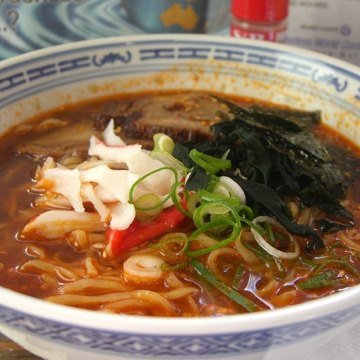
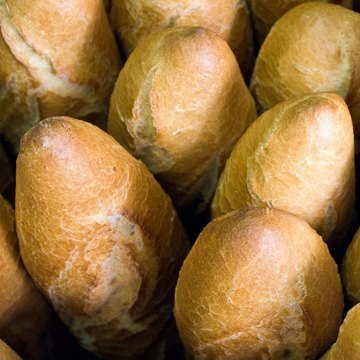


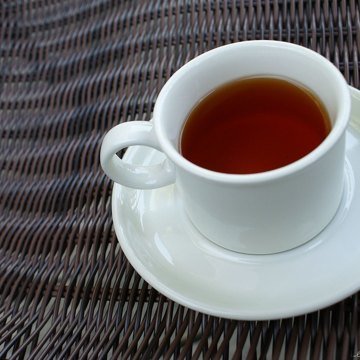
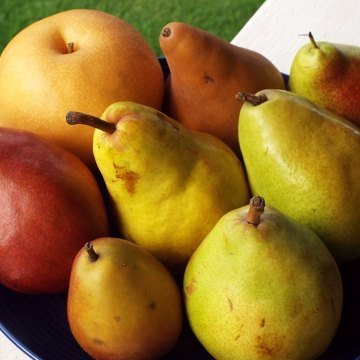
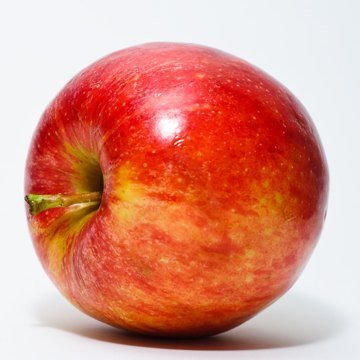

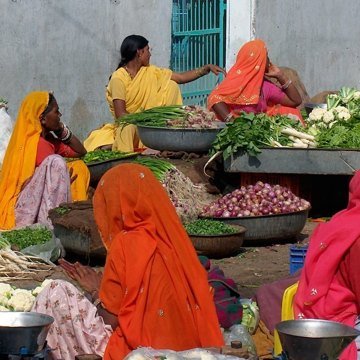








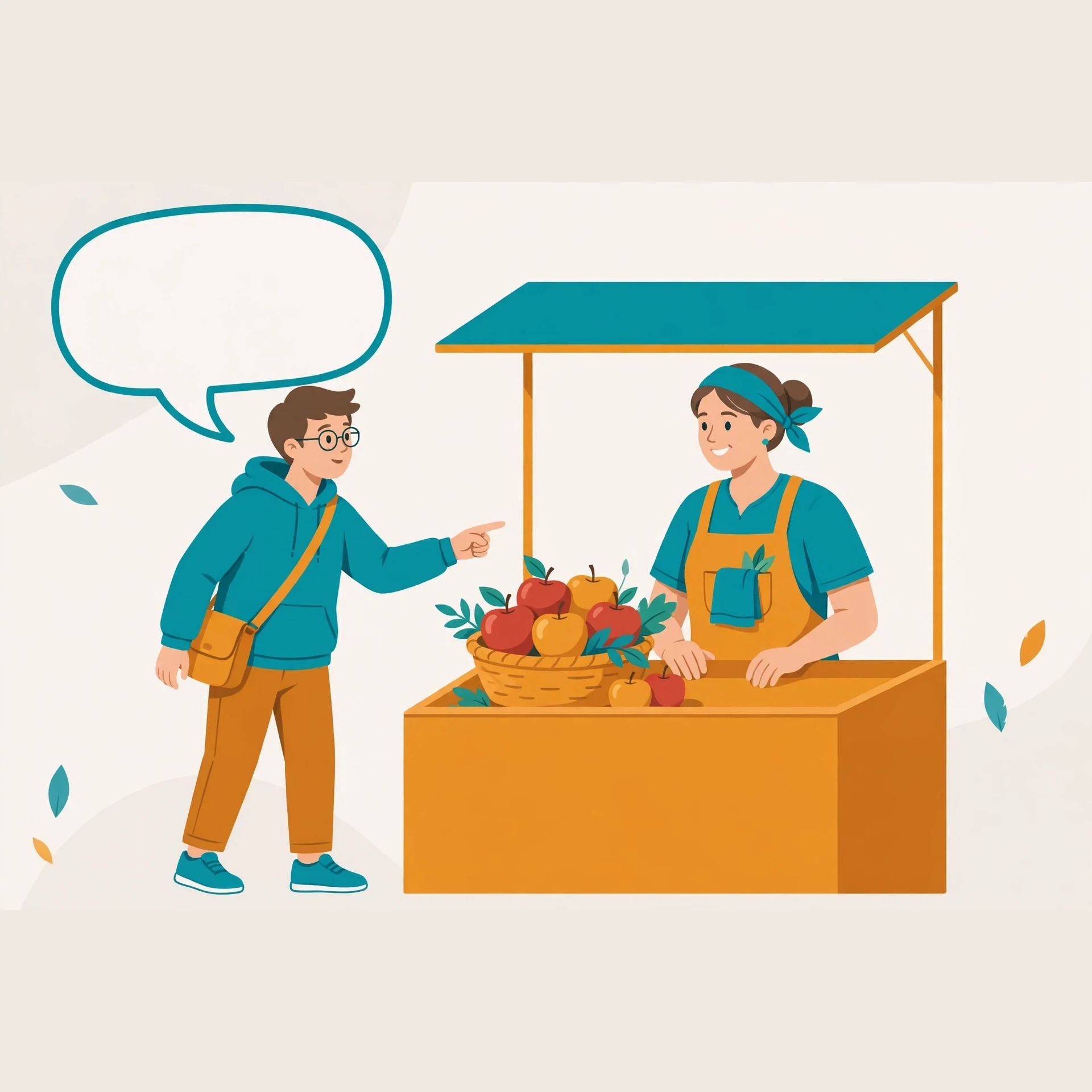

Every card has a picture and audio.
🖼️ Image credits
- 음식 (eumsik) — AI-generated in workspace: Original AI-generated illustration created in this workspace; no third-party assets used.
- 김치 (gimchi) — AI-generated in workspace: Original AI-generated illustration created in this workspace; no third-party assets used.
- 불고기 (bulgogi) — AI-generated in workspace: Original AI-generated illustration created in this workspace; no third-party assets used.
- 비빔밥 (bibimbap) — AI-generated in workspace: Original AI-generated illustration created in this workspace; no third-party assets used.
- 라면 (ramyeon) — AI-generated in workspace: Original AI-generated illustration created in this workspace; no third-party assets used.
- 빵 (ppang) — AI-generated in workspace: Original AI-generated illustration created in this workspace; no third-party assets used.
- 우유 (uyu) — AI-generated in workspace: Original AI-generated illustration created in this workspace; no third-party assets used.
- 커피 (keopi) — AI-generated in workspace: Original AI-generated illustration created in this workspace; no third-party assets used.
- 차 (cha) — AI-generated in workspace: Original AI-generated illustration created in this workspace; no third-party assets used.
- 과일 (gwail) — AI-generated in workspace: Original AI-generated illustration created in this workspace; no third-party assets used.
- 사과 (sagwa) — AI-generated in workspace: Original AI-generated illustration created in this workspace; no third-party assets used.
- 가게 (gage) — AI-generated in workspace: Original AI-generated illustration created in this workspace; no third-party assets used.
- 시장 (sijang) — AI-generated in workspace: Original AI-generated illustration created in this workspace; no third-party assets used.
- 백화점 (baekhwajeom) — AI-generated in workspace: Original AI-generated illustration created in this workspace; no third-party assets used.
- 돈 (don) — AI-generated in workspace: Original AI-generated illustration created in this workspace; no third-party assets used.
- 값 (gap) — AI-generated in workspace: Original AI-generated illustration created in this workspace; no third-party assets used.
- 싸다 (ssada) — AI-generated in workspace: Original AI-generated illustration created in this workspace; no third-party assets used.
- 비싸다 (bissada) — AI-generated in workspace: Original AI-generated illustration created in this workspace; no third-party assets used.
- 맛있다 (masitda) — AI-generated in workspace: Original AI-generated illustration created in this workspace; no third-party assets used.
- 맛없다 (maseopda) — AI-generated in workspace: Original AI-generated illustration created in this workspace; no third-party assets used.
- 사다 (sada) — AI-generated in workspace: Original AI-generated illustration created in this workspace; no third-party assets used.
- 팔다 (palda) — AI-generated in workspace: Original AI-generated illustration created in this workspace; no third-party assets used.
- 주다 (juda) — AI-generated in workspace: Original AI-generated illustration created in this workspace; no third-party assets used.
- 얼마 (eolma) — AI-generated in workspace: Original AI-generated illustration created in this workspace; no third-party assets used.
- 할인 (harin) — AI-generated in workspace: Original AI-generated illustration created in this workspace; no third-party assets used.
📖 Grammar
📖 았 / 었
Stem + 았어요 (stems with ㅏ/ㅗ) / 었어요 (all the rest)
Same vowel harmony as 아요/어요: stems with ㅏ/ㅗ take 았어요, all others take 었어요. Common contractions: 오다 → 왔어요, 사다 → 샀어요, 보다 → 봤어요, 하다 → 했어요.
📖 ㄹ 거예요
Vowel stems + ㄹ 거예요 · consonant stems + 을 거예요
Vowel stems + ㄹ 거예요 (가다 → 갈 거예요, 사다 → 살 거예요, 하다 → 할 거예요). Consonant stems + 을 거예요 (먹다 → 먹을 거예요).
📖 와 / 과 / 하고
Vowel + 와 · consonant + 과 (written style) · noun + 하고 (friendly speech)
와/과 are the written pair: 와 after a vowel, 과 after a consonant (책과 펜). 하고 is the spoken, friendly form used after any noun. Rule of thumb: writing → 와/과; chatting → 하고. All three mean “and / with” — only the register differs.
📖 (으)로
Noun + (으)로 (direction toward · means, manner)
Marks direction: 학교로 가요 (go toward school). Marks means or method: 버스로 가요 (go by bus), 손으로 써요 (write by hand). Use 으로 after a final consonant (except ㄹ), 로 otherwise.
Native Korean numbers + counters
하나 둘 셋 넷 다섯 여섯 일곱 여덟 아홉 열 + 개/명/병/잔/마리 · 한 두 세 네 before counters
Native Korean 1–10: 하나 둘 셋 넷 다섯 여섯 일곱 여덟 아홉 열. Before counters the first four shorten to 한 두 세 네. Common counters: 개 (things), 명 (people), 병 (bottles), 잔 (cups), 마리 (animals). Pattern: noun + number + counter (사과 세 개).
💬 Dialogue
🗣️ clerk, B = 사라 Sara) ·
🎧 Listening
📖 Answer key
Listening: 1. 천 원이에요. 2. 사과 세 개하고 우유 한 병을 샀어요. 3. 오천 원이에요. 4. 빵을 샀어요.
Reading: 1. 오백 원이에요. 2. 이천 원이에요. 3. 시장에 왔어요. 4. 이번 주말에 해요.
📖 Reading
📖 Answer key
Listening: 1. 천 원이에요. 2. 사과 세 개하고 우유 한 병을 샀어요. 3. 오천 원이에요. 4. 빵을 샀어요.
Reading: 1. 오백 원이에요. 2. 이천 원이에요. 3. 시장에 왔어요. 4. 이번 주말에 해요.
🎬 Movie line
🎞️ 대장금 (Jewel in the Palace, 2003) — MBC — Jang-geum (장금, Lee Young-ae) answers the senior court lady (최고상궁) in the tasting challenge
A witty answer when asked “how did you know?” — you can taste it. Handy for food talk.
📝 Words in the line
- 홍시 hongsi — ripe persimmon
- 맛 mat — taste, flavor
- 나다 nada — to come out, to arise
⚡ Quick cards
⚠️ Verified via the official MBC/YouTube clip of the persimmon (홍시) scene (web search, Oct 8, 2026; the community calls it the “legendary persimmon meme”). The short line is used for language study. The quick-review cards are everyday sentences built on Lesson 7, not lines from the drama.
📝 Lesson-end quiz (8 questions)
📖 Answer key
- C — Correct answer: department store.
- B — 사다 + 았어요 contracts to 샀어요.
- D — after a consonant → 과 in writing; 와 needs a vowel stem, and 하고 is the spoken form, not the written one.
- A — 개 counts things.
- A — vowel stem + ㄹ 거예요.
- D — 하고 is spoken; writing uses 와/과.
- C — Correct answer: how much. 사과 얼마예요? = How much is an apple?
- B — Correct answer: 저는 어제 사과 세 개를 샀어요. 사다 (to buy
🏠 Homework
Match the words
★ Easy
| 1. 사과 | |
| 2. 우유 | |
| 3. 빵 | |
| 4. 시장 | |
| 5. 백화점 | |
| 6. 돈 | |
| 7. 싸다 | |
| 8. 사다 |
- A. bread
- B.
- C.
- D.
- E. cheap
- F. to buy
- G. apple
- H.
📖 Answer key
- 1. 사과 → G (apple)
- 2. 우유 → H
- 3. 빵 → A (bread)
- 4. 시장 → B
- 5. 백화점 → C
- 6. 돈 → D
- 7. 싸다 → E (cheap)
- 8. 사다 → F (to buy)
Fill in the blanks
★ Easy–Medium
Word bank: 샀어요 · 갈 거예요 · 맛있어요 · 주세요 · 비싸요 · 먹었어요
📖 Answer key
- 1. 샀어요
- 2. 갈 거예요
- 3. 맛있어요
- 4. 주세요
- 5. 비싸요
- 6. 먹었어요
Multiple choice
★★ Medium
📖 Answer key
- A — To ask a price: 사과 얼마예요?
- C — Native number + counter + 주세요.
- B — 샀어요 = bought (past of 사다).
- D — ㄹ 거예요 = will: 갈 거예요.
Role-play
★★ Medium
Role-play buying fruit at a market: ask the price, buy a few items with Native numbers + counters, ask the total.
🗣️ Model
Free writing
★★★ Challenge
- Uses 았/었 for yesterday and ㄹ 거예요 for tomorrow plans
- Counts items with native Korean numbers + counters (개/명/병), using the shortened forms 한 두 세 네 correctly
- Includes at least 1 sentence joining two items with 와/과 or 하고
Extra practice
Extra
📚 Cumulative Review
📖 Answer key
- A — Correct answer: delicious.
- B — Correct answer: 먹었어요. A stem ending in ㅓ takes 었어요.
- C — 책 ends in a consonant → 과 in writing.
- D — Correct answer: one bottle of milk. 한 = one (before a counter), 병 = bottle (counter).
- A — Correct answer: market.
- B — consonant stem + 을 거예요.
- C — 안 goes right before the verb.
- D — 두 = two before counters, 명 counts people.
- D — (으)로 marks means: by bus.
- C — 오다 + 아요 contracts to 와요.
- B — Correct answer: discount.
- A — Correct answer: I will go to the market tomorrow. 내일 = tomorrow
⚡ Quick Check
📖 Answer key
- 1. 샀어요
- 2. 갈 거예요
- 3. in writing 과 follows a consonant
- 4. 개
- 5. Translation: I bought three apples yesterday. → 저는 어제 사과 세 개를 샀어요.
🧪 Chapter checks
Chapter 2 — Tenses, daily life, shopping and weather (Lessons 6–10)
Mid-chapter quiz (after Lesson 8, 10 questions): Vocabulary 4 (Lesson 6: two questions, Lesson 7: one question, Lesson 8: one question) · Romanization (RR) 2 · Grammar 3 (아요/어요 and ㅂ니다/습니다, 았/었 and ㄹ 거예요, 안 and -지 않다/-지 못하다) · Dialogue reading 1. Balanced answers 3/3/2/2.
Chapter test
🧩 Practice Bank · 연습 문제
Extra practice bank for this lesson: multiple choice, listening, matching, fill-in, sentence building, dialogue, speaking and writing. Tap 🔊 to listen with this lesson's own audio.
Audio in this lesson: one listening passage and six conversation clips.
1. Multiple choice · 객관식
★ Easy → ★★★ Challenge
📖 Answer key
- Question 1: B — baekhwajeom
- Question 2: D — 머거써요
- Question 3: A — 왔어요
- Question 4: C — 내일 책을 읽을 거예요.
- Question 5: C — 커피와 빵
- Question 6: A — 로
- Question 7: D — two cups of coffee
- Question 8: B — to be expensive
2. Listen and choose · 듣기
★ Easy
📖 Answer key
- Question 1: C — 빵
- Question 2: A — 네 개
- Question 3: B — 내일
3. Match the Korean words to the English meanings
★ Easy
| Korean | English (choose a letter) |
|---|---|
| 1. 음식 | |
| 2. 라면 | |
| 3. 커피 | |
| 4. 가게 | |
| 5. 값 | |
| 6. 팔다 |
- A. store
- B. price
- C. food
- D. to sell
- E. coffee
- F. ramen
📖 Answer key
- 1. 음식 → C (food)
- 2. 라면 → F (ramen)
- 3. 커피 → E (coffee)
- 4. 가게 → A (store)
- 5. 값 → B (price)
- 6. 팔다 → D (to sell)
4. Fill in the blanks · 빈칸 채우기
★★ Medium
Word bank: 샀어요 · 먹었어요 · 갈 거예요 · 살 거예요 · 맛있어요 · 주세요
📖 Answer key
- 1. 어제 백화점에서 빵을샀어요.
- 2. 내일 친구하고 시장에갈 거예요.
- 3. 어제 저녁에 라면을먹었어요.
- 4. 내일 사과를살 거예요.
- 5. 이 김치 정말맛있어요.
5. Build a sentence · 문장 만들기
★★ Medium
Type the words in the correct order to make the sentence.
📖 Answer key
- 1. 저는 어제 불고기를 먹었어요
- 2. 친구하고 시장에 갈 거예요
6. Complete the dialogue · 대화 완성
★★ Medium
🎬 At a store, asking the price of bread.
(Order three breads, please.)
🎬 Talking about yesterday.
(Say you met a friend at the market.)
📖 Answer key
- 1. 빵 한 개에 얼마예요? / 오백 원이에요. / 【그럼 빵 세 개 주세요】
- 2. 어제 뭐 했어요? / 【시장에서 친구를 만났어요】 / 시장에서 뭐 샀어요? / 빵하고 우유를 샀어요.
7. Say it out loud · 말하기
★★ Medium
🗣️ Model
🗣️ Model
8. Free writing · 쓰기
★★★ Challenge
📄 Sample
Check yourself before you finish:
- Use 았/었 for yesterday and ㄹ 거예요 for tomorrow
- Count items with native numbers plus a counter (개/병), using 한 두 세 네 before the counter
- Join two items with 와/과 or 하고
- End every sentence with a period (.) and match vowel harmony
Done with Lesson 7? Take this lesson's own test as well to lock it in: