DELE A1 · Lesson 7 — ¿Qué te gusta hacer? (Likes, Routines & Invitations (DELE A1)) · LingoBubbo Spanish


DELE A1 · Lesson 7 — ¿Qué te gusta hacer? (Likes, Routines & Invitations (DELE A1)) · LingoBubbo Spanish

← Contents

LingoBubbo · Spanish
Communication first

DELE A1 · Lesson 7

¿Qué te gusta hacer?

Likes, Routines & Invitations (DELE A1)

🎯 Objectives

  • Talk about likes with gustar/encantar and 15+ free-time activities
  • Conjugate stem-changing verbs (e→ie, o→ue, e→i) and invite friends out
  • Understand an invitation (listening) and a hobbies text (reading)

📚 Picture vocabulary (26 words)

el tiempo libre

el tiempo libre
free time
jugar al fútbol / al tenis

jugar al fútbol / al tenis
to play football / tennis
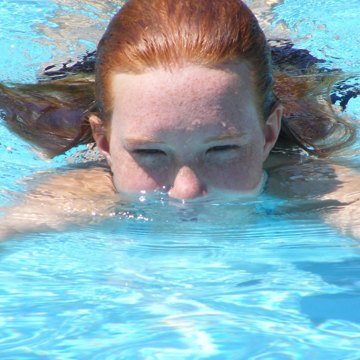
nadar

nadar
to swim
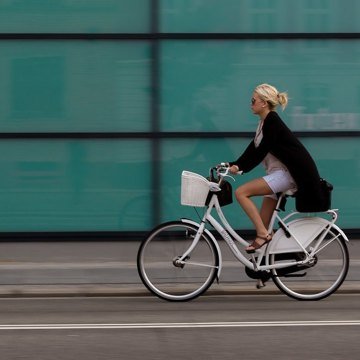
montar en bicicleta

montar en bicicleta
to ride a bike
pasear por el parque

pasear por el parque
to walk in the park
salir con amigos

salir con amigos
to go out with friends
ir de compras

ir de compras
to go shopping
hacer deporte

hacer deporte
to do sports
ver series / películas

ver series / películas
to watch series / movies
leer novelas

leer novelas
to read novels
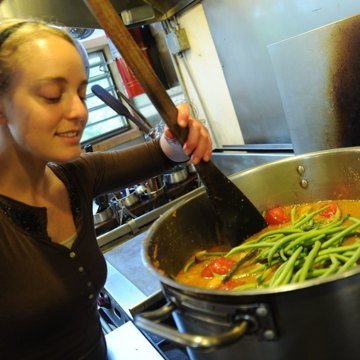
cocinar

cocinar
to cook
bailar

bailar
to dance
cantar

cantar
to sing
dibujar

dibujar
to draw
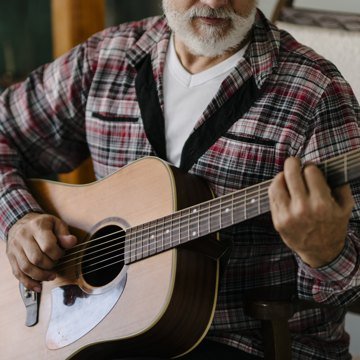
tocar la guitarra

tocar la guitarra
to play the guitar
hacer fotos

hacer fotos
to take photos
viajar

viajar
to travel
quedarse en casa

quedarse en casa
to stay at home
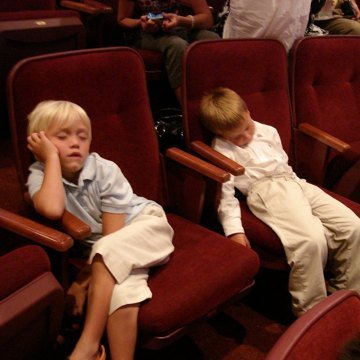
dormir la siesta

dormir la siesta
to take a nap
me gusta / me gustan

me gusta / me gustan
I like
me encanta / me encantan

me encanta / me encantan
I love
me gusta mucho

me gusta mucho
I like it a lot
no me gusta nada

no me gusta nada
I don't like it at all
prefiero…

prefiero…
I prefer…
a mí también

a mí también
me too
a mí no / a mí tampoco

a mí no / a mí tampoco
not me

Every card has a picture and audio.

🖼️ Image credits
  • el tiempo libre () — AI-generated in workspace: Original AI-generated illustration created in this workspace; no third-party assets used.
  • jugar al fútbol / al tenis () — AI-generated in workspace: Original AI-generated illustration created in this workspace; no third-party assets used.
  • nadar () — AI-generated in workspace: Original AI-generated illustration created in this workspace; no third-party assets used.
  • montar en bicicleta () — AI-generated in workspace: Original AI-generated illustration created in this workspace; no third-party assets used.
  • pasear por el parque () — AI-generated in workspace: Original AI-generated illustration created in this workspace; no third-party assets used.
  • salir con amigos () — AI-generated in workspace: Original AI-generated illustration created in this workspace; no third-party assets used.
  • ir de compras () — AI-generated in workspace: Original AI-generated illustration created in this workspace; no third-party assets used.
  • hacer deporte () — AI-generated in workspace: Original AI-generated illustration created in this workspace; no third-party assets used.
  • ver series / películas () — AI-generated in workspace: Original AI-generated illustration created in this workspace; no third-party assets used.
  • leer novelas () — AI-generated in workspace: Original AI-generated illustration created in this workspace; no third-party assets used.
  • cocinar () — AI-generated in workspace: Original AI-generated illustration created in this workspace; no third-party assets used.
  • bailar () — AI-generated in workspace: Original AI-generated illustration created in this workspace; no third-party assets used.
  • cantar () — AI-generated in workspace: Original AI-generated illustration created in this workspace; no third-party assets used.
  • dibujar () — AI-generated in workspace: Original AI-generated illustration created in this workspace; no third-party assets used.
  • tocar la guitarra () — AI-generated in workspace: Original AI-generated illustration created in this workspace; no third-party assets used.
  • hacer fotos () — AI-generated in workspace: Original AI-generated illustration created in this workspace; no third-party assets used.
  • viajar () — AI-generated in workspace: Original AI-generated illustration created in this workspace; no third-party assets used.
  • quedarse en casa () — AI-generated in workspace: Original AI-generated illustration created in this workspace; no third-party assets used.
  • dormir la siesta () — AI-generated in workspace: Original AI-generated illustration created in this workspace; no third-party assets used.
  • me gusta / me gustan () — AI-generated in workspace: Original AI-generated illustration created in this workspace; no third-party assets used.
  • me encanta / me encantan () — AI-generated in workspace: Original AI-generated illustration created in this workspace; no third-party assets used.
  • me gusta mucho () — AI-generated in workspace: Original AI-generated illustration created in this workspace; no third-party assets used.
  • no me gusta nada () — AI-generated in workspace: Original AI-generated illustration created in this workspace; no third-party assets used.
  • prefiero… () — AI-generated in workspace: Original AI-generated illustration created in this workspace; no third-party assets used.
  • a mí también () — AI-generated in workspace: Original AI-generated illustration created in this workspace; no third-party assets used.
  • a mí no / a mí tampoco () — AI-generated in workspace: Original AI-generated illustration created in this workspace; no third-party assets used.

📖 Grammar

📖 GUSTAR — the “backwards” verb ·

me / te / le / nos / les + gusta (singular / infinitive verb) · gustan (plural)

The verb agrees with the thing liked: singular nouns and infinitives take gusta, plural nouns take gustan. The person who likes is the object (me/te/le/nos/les). Encantar is stronger than gustar and works the same way.

Me gusta el café.
I like coffee.
Me gustan las novelas.
I like novels.
Me encanta la playa.
I love the beach.
Me gusta leer.
I like reading.
📖 Stem-changing verbs ·

e→ie (querer) · o→ue (poder, dormir) · e→i (pedir); nosotros / vosotros keep the stem unchanged

The stem vowel changes in yo, tú, él/ella and ellos, but not in nosotros or vosotros: quiero/queremos, puedo/podemos, pido/pedimos. Jugar is the special u→ue case: juego.

¿Puedes venir mañana?
Can you come tomorrow?
Quiero un café, por favor.
I'd like a coffee, please.
Pido la cuenta.
I'd like the bill.
📖 Inviting and responding ·

¿Quieres + infinitive verb? · ¡Claro! · Lo siento, no puedo

Accept with ¡Claro!, ¡Con mucho gusto! or ¡Vale!. Decline politely with Lo siento, no puedo or Gracias, pero tengo que… plus a reason.

¿Quieres ir al cine?
Do you want to go to the movies?
¡Claro! ¿A qué hora?
Of course! What time?
Lo siento, no puedo.
Sorry, I can't.

🧩 Patterns

🧩 ¿Qué te gusta hacer? — Me gusta leer y me encanta viajar.
¿Qué te gusta hacer? — Me gusta leer y me encanta viajar.
What do you like to do? — I like reading and I love traveling.
🧩 ¿Te gusta el fútbol? — No me gusta nada.
¿Te gusta el fútbol? — No me gusta nada.
Do you like football? — I don't like it at all.
🧩 ¿Quieres salir esta noche? — ¡Claro! ¿A qué hora?
¿Quieres salir esta noche? — ¡Claro! ¿A qué hora?
Do you want to go out tonight? — Of course! What time?
🧩 Lo siento, no puedo. Prefiero quedarme en casa.
Lo siento, no puedo. Prefiero quedarme en casa.
Sorry, I can't. I prefer to stay home.
🧩 ¿Juegas al tenis? — Sí, juego los sábados.
¿Juegas al tenis? — Sí, juego los sábados.
Do you play tennis? — Yes, I play on Saturdays.

💬 Dialogue

Weekend likes and a cinema invitation (A = Ana, B = Selena)

A
Hola, Selena. ¿Qué te gusta hacer los fines de semana?
Hi, Selena. What do you like to do on weekends?
B
Me gusta leer y me encanta ir al cine. ¿Y a ti?
I like reading and I love going to the cinema. And you?
A
A mí me gusta mucho el deporte. Juego al tenis los sábados.
I really like sports. I play tennis on Saturdays.
B
¡Qué bien! ¿Quieres ir al cine esta noche?
Great! Do you want to go to the cinema tonight?
A
¡Claro! ¿A qué hora quedamos?
Of course! What time shall we meet?
B
A las ocho. ¿Puedes?
At eight. Can you make it?
A
Sí, puedo. ¡Nos vemos a las ocho!
Yes, I can. See you at eight!
B
¡Perfecto! Hasta luego.
Perfect! See you later.

🎧 Listening

1. What is Diego's invitation, and for which day first?
2. Why can't Lucía go on Friday?
3. Do they agree on another day? Which one?
4. Which phrase shows Lucía is happy to accept?

📖 Answer key

a concert, first for Friday)
she has to work)
yes — Saturday)
with pleasure!)

The listening is a concert invitation: first Friday, then Saturday; the transcript is in the audio file.

📖 Reading

Me llamo Carlos. Tengo 28 años y vivo en San Diego. Me gusta mucho la música: toco la guitarra y canto en un grupo. También me encanta cocinar. Los domingos cocino para mi familia. No me gusta nada ver la tele, prefiero leer novelas. ¿Quieres venir a mi concierto el sábado? ¡Te va a gustar!
1. How old is Carlos and where does he live?
2. What two musical activities does he do?
3. When does he cook for his family?
4. What does he dislike, and what does he prefer instead?
5. What invitation does he make at the end?

📖 Answer key

28 years old, lives in San Diego)
plays the guitar and sings in a band)
on Sundays)
he doesn't like watching TV at all; he prefers reading novels)
to come to his concert on Saturday)

🎬 Movie line

Te necesito, mamá.
I need you, Mum.

🎞️ Volver (2006) — Pedro Almodóvar — Raimunda (Penélope Cruz) to her mother Irene

Use it when you truly need a loved one's help or presence: “Te necesito.”

📝 Words in the line

  • necesitar — to need
  • te — you (object)
  • mamá — mum, mom

⚡ Quick cards

¿Qué te gusta hacer?
What do you like to do?
Me encanta cocinar.
I love cooking.
¿Quieres ir al cine?
Do you want to go to the cinema?
¡Claro! ¿A qué hora?
Of course! What time?

📝 Lesson-end quiz (8 questions)

✅ Correct: 0/8Done: 0/8
Fill in: I like novels.

💡 Correct answer: gustan. Novelas is plural, so gustar takes gustan.
Fill in: Do you like football?

💡 Correct answer: gusta. El fútbol is singular, so it takes gusta: ¿Te gusta el fútbol?
Conjugate: yo (querer) → ?

💡 Correct answer: quiero. Querer changes e→ie in the yo form.
Conjugate: nosotros (poder) → ?

💡 Correct answer: podemos. The nosotros form of poder keeps the o — no stem change.
What does “No me gusta nada” mean?

💡 Correct answer: I don't like it at all.
Conjugate: él (pedir) → ?

💡 Correct answer: pide. Pedir changes e→i: él pide.
Accept politely:

💡 Correct answer: ¡Claro! ¿A qué hora? Claro accepts warmly, and asking the time shows you accept.
Conjugate: yo (jugar) → ?

💡 Correct answer: juego. Jugar changes u→ue in the yo form.

📖 Answer key

  1. A — Correct answer: gustan. Novelas is plural, so gustar takes gustan.
  2. C — Correct answer: gusta. El fútbol is singular, so it takes gusta: ¿Te gusta el fútbol?
  3. D — Correct answer: quiero. Querer changes e→ie in the yo form.
  4. B — Correct answer: podemos. The nosotros form of poder keeps the o — no stem change.
  5. B — Correct answer: I don't like it at all.
  6. D — Correct answer: pide. Pedir changes e→i: él pide.
  7. C — Correct answer: ¡Claro! ¿A qué hora? Claro accepts warmly, and asking the time shows you accept.
  8. A — Correct answer: juego. Jugar changes u→ue in the yo form.

🏠 Homework

Match the words

★ Easy

1. jugar al fútbol / al tenis
2. leer novelas
3. viajar
4. me encanta / me encantan
5. prefiero…
6. a mí también
7. cocinar
8. bailar
  • A. to travel
  • B. I really like it / I love it
  • C. I prefer …
  • D. me too
  • E. cooking
  • F. to dance
  • G. to play soccer / tennis
  • H. to read novels

📖 Answer key

  1. 1. jugar al fútbol / al tenis → G
  2. 2. leer novelas → H
  3. 3. viajar → A
  4. 4. me encanta / me encantan → B
  5. 5. prefiero… → C
  6. 6. a mí también → D
  7. 7. cocinar → E
  8. 8. bailar → F (to dance)

Fill in the blanks

★ Easy–Medium

Word bank: gustan · gusta · quiero · puedo · prefiero · encanta

1. Me las novelas. ( plural)
2. ¿Te el fútbol? ( singular)
3. Yo ir al cine. ( I want)
4. No ir esta noche. ( I can)
5. quedarme en casa. ( I prefer)
6. Me la música. ( I love)

📖 Answer key

  1. 1. gustan
  2. 2. gusta
  3. 3. quiero
  4. 4. puedo
  5. 5. prefiero
  6. 6. encanta

Multiple choice

★★ Medium

✅ Correct: 0/4Done: 0/4
You want to invite a friend to the cinema tonight. What do you say?

💡 Invite with ¿Quieres + infinitive?
Pick the correct sentence.

💡 Plural subject takes gustan.
You can't go tonight. The politest refusal is?

💡 Polite refusal: Lo siento, no puedo + reason.
Fill in: They play football on Saturdays.

💡 The ellos form of jugar is juegan.

📖 Answer key

  1. B — Invite with ¿Quieres + infinitive?
  2. D — Plural subject takes gustan.
  3. A — Polite refusal: Lo siento, no puedo + reason.
  4. C — The ellos form of jugar (u→ue) is juegan.

Role-play

★★ Medium

Invite a friend to the cinema tonight: ask about weekend likes, invite them, set a time, check they can come.

A: Hola, ___. ¿Qué te gusta hacer los fines de semana?
B: Me gusta ___ y me encanta ___. ¿Y a ti?
A: A mí me gusta mucho el ___. Juego al ___ los sábados.
B: ¡Qué bien! ¿Quieres ir al ___ esta noche?
A: ¡Claro! ¿A qué hora quedamos?
B: A las ___. ¿Puedes?

🗣️ Model

A
Hola, Selena. ¿Qué te gusta hacer los fines de semana?
Hi, Selena. What do you like to do on weekends?
B
Me gusta leer y me encanta ir al cine. ¿Y a ti?
I like reading and I love going to the cinema. And you?
A
A mí me gusta mucho el deporte. Juego al tenis los sábados.
I really like sports. I play tennis on Saturdays.
B
¡Qué bien! ¿Quieres ir al cine esta noche?
Great! Do you want to go to the cinema tonight?
A
¡Claro! ¿A qué hora quedamos?
Of course! What time shall we meet?
B
A las ocho. ¿Puedes?
At eight. Can you make it?
A
Sí, puedo. ¡Nos vemos a las ocho!
Yes, I can. See you at eight!
B
¡Perfecto! Hasta luego.
Perfect! See you later.

Free writing

★★★ Challenge

Write an 8-sentence paragraph about your hobbies: 3 gustar/encantar sentences, 3 stem-changing verbs (quiero/puedo/juego…), 2 inviting a friend.
Write 4 replies to an invitation: 2 accepting, 2 politely declining with a reason.
Me gusta mucho la música y me encanta viajar. Los sábados juego al tenis con mis amigos y por la noche voy al cine. También me gusta leer novelas en casa. No me gusta nada el fútbol. Prefiero el tenis.
I really like music and I love traveling. On Saturdays I play tennis with my friends and in the evening I go to the cinema. I also like reading novels at home. I don't like football at all. I prefer tennis.

Extra practice

Extra

✍️ Write 8 sentences about your hobbies (3 with gustar/encantar, 3 with stem-changing verbs, 2 inviting a friend).
🎧 Listen to all 3 audio files of this lesson; shadow the model dialogue twice (switch roles).
🗣️ Voice note: invite a friend out this weekend (45 seconds): invite → suggest a time → ask if they can come.

📚 Cumulative Review

✅ Correct: 0/12Done: 0/12
Fill in: I love the beach.

💡 Correct answer: encanta. La playa is singular, and loving something uses encantar: Me encanta la playa.
Fill in: My sister is tired today.

💡 Correct answer: está. Tired today is a temporary state: Mi hermana está cansada hoy.
Conjugate: ellos (querer) → ?

💡 Correct answer: quieren. Querer changes e→ie, and the ellos form ends in -en.
What does “montar en bicicleta” mean?

💡 Correct answer: to ride a bike.
Fill in: What time shall we meet?

💡 Correct answer: A qué hora. ¿A qué hora quedamos? asks at what time we meet.
Conjugate: tú (dormir) → ?

💡 Correct answer: duermes. Dormir changes o→ue in the tú form.
What does “A mí también” mean?

💡 Correct answer: me too.
Fill in: We like traveling.

💡 Correct answer: gusta. Viajar is an infinitive, and gustar stays singular before an infinitive: Nos gusta viajar.
Conjugate: yo (preferir) → ?

💡 Correct answer: prefiero. Preferir changes e→ie in the yo form.
What does “quedarse en casa” mean?

💡 Correct answer: to stay at home.
Fill in: They play football on Saturdays.

💡 Correct answer: juegan. Jugar changes u→ue, and the ellos form ends in -an: Ellos juegan al fútbol.
Decline politely:

💡 Correct answer: no puedo. No puedo (I can't) is the polite refusal here; the other options all accept.

📖 Answer key

  1. A — Correct answer: encanta. La playa is singular, and loving something uses encantar: Me encanta la playa.
  2. B — Correct answer: está. Tired today is a temporary state: Mi hermana está cansada hoy.
  3. C — Correct answer: quieren. Querer changes e→ie, and the ellos form ends in -en.
  4. D — Correct answer: to ride a bike.
  5. A — Correct answer: A qué hora. ¿A qué hora quedamos? asks at what time we meet.
  6. B — Correct answer: duermes. Dormir changes o→ue in the tú form.
  7. C — Correct answer: me too.
  8. D — Correct answer: gusta. Viajar is an infinitive, and gustar stays singular before an infinitive: Nos gusta viajar.
  9. A — Correct answer: prefiero. Preferir changes e→ie in the yo form.
  10. B — Correct answer: to stay at home.
  11. C — Correct answer: juegan. Jugar changes u→ue, and the ellos form ends in -an: Ellos juegan al fútbol.
  12. D — Correct answer: no puedo. No puedo (I can't) is the polite refusal here; the other options all accept.

⚡ Quick Check

1. How do you say “I like novels” (plural)?
2. Fill in: Yo ___ ir al cine.
3. Which sentence accepts an invitation politely?
4. Conjugate: nosotros (poder) → ?
5. How do you say “I don't like it at all”?

📖 Answer key

  1. 1. Me gustan las novelas
  2. 2. quiero
  3. 3. ¡Claro! ¿A qué hora?
  4. 4. podemos
  5. 5. No me gusta nada

🧪 Chapter checks

Chapter 2 — Family, likes, food, home and plans (Lessons 6–10)

Mid-chapter quiz

Chapter test

🧩 Practice Bank

Extra practice bank for this lesson: multiple choice, listening, matching, fill-in, sentence building, dialogue, speaking and writing. Tap 🔊 to listen with this lesson's own audio.

Audio in this lesson: the lesson dialogue and short conversation clips.

1. Multiple choice

★ Easy → ★★★ Challenge

✅ Correct: 0/8
Done: 0/8
Question 1: What does “tocar la guitarra” mean?


💡 “Tocar la guitarra” is the lesson phrase for playing the guitar; “hacer fotos” means to take photos.
Question 2: Complete the sentence: A Carlos le ___ la música.


💡 Use “gusta” because “la música” is singular: “A Carlos le gusta la música.”
Question 3: Complete with the yo form of pedir: Yo ___ un café, por favor.


💡 Pedir changes e→i in the yo form: “Yo pido un café.”
Question 4: Complete the sentence: Mi hermana ___ al fútbol los sábados.


💡 Jugar changes u→ue for ella: “Mi hermana juega al fútbol.”
Question 5: In this course, how is the “ll” in “me llamo” pronounced?


💡 In Lesson 1, “ll” is taught as ≈ “y”, as in “llamo” and “calle”.
Question 6: Which question is written correctly in Spanish?


💡 Spanish questions open with “¿” and close with “?”: “¿Quieres…?”
Question 7: Choose the correctly written question word: ¿___ te gusta hacer?


💡 Question words carry a written accent: “¿Qué te gusta hacer?”
Question 8: Your friend says: “No me gusta nadar.” You feel the same. What do you reply?


💡 For agreeing with a negative like, use “A mí tampoco”, not “A mí también”.

📖 Answer key

  1. Question 1: B — to play the guitar
  2. Question 2: D — gusta
  3. Question 3: A — pido
  4. Question 4: C — juega
  5. Question 5: C — like the “y” in “yes”
  6. Question 6: A — ¿Quieres ir al cine esta noche?
  7. Question 7: D — Qué
  8. Question 8: B — A mí tampoco.

2. Listen and choose · Escuchar

★ Easy

✅ Correct: 0/3
Done: 0/3
Listen to the dialogue. What does Speaker A say he really likes?


💡 Speaker A says: “A mí me gusta mucho el deporte.”
Listen to the dialogue. When does Speaker A play tennis?


💡 He says: “Juego al tenis los sábados.”
Listen to the dialogue. Besides reading, what does Speaker B love doing?


💡 Speaker B says: “Me gusta leer y me encanta ir al cine.”

📖 Answer key

  1. Question 1: C — sports
  2. Question 2: A — on Saturdays
  3. Question 3: B — going to the cinema

3. Match the Spanish words to the English meanings

★ Easy

Spanish English (choose a letter)
1. el tiempo libre
2. nadar
3. montar en bicicleta
4. salir con amigos
5. hacer fotos
6. dormir la siesta
  • A. to take a nap
  • B. to swim
  • C. free time
  • D. to take photos
  • E. to ride a bike
  • F. to go out with friends


📖 Answer key

  1. 1. el tiempo libre → C (free time)
  2. 2. nadar → B (to swim)
  3. 3. montar en bicicleta → E (to ride a bike)
  4. 4. salir con amigos → F (to go out with friends)
  5. 5. hacer fotos → D (to take photos)
  6. 6. dormir la siesta → A (to take a nap)

4. Fill in the blanks · Completa los huecos

★★ Medium

Word bank: gusta · quieren · jugamos · puedes · prefiere · gustan

1. A nosotros nos el deporte. (“el deporte” is singular, so use the singular form.)
2. Ellos ir de compras hoy. (Use the ellos form of querer (e→ie).)
3. Nosotros al tenis los domingos. (The nosotros form of jugar does not change its stem.)
4. ¿Tú venir a las siete? (Use the tú form of poder (o→ue). No accent is needed.)
5. Mi hermana leer en casa. (Use the ella form of preferir.)


📖 Answer key

  1. 1. A nosotros nos gusta el deporte.
  2. 2. Ellos quieren ir de compras hoy.
  3. 3. Nosotros jugamos al tenis los domingos.
  4. 4. ¿Tú puedes venir a las siete?
  5. 5. Mi hermana prefiere leer en casa.

5. Build a sentence · Forma la frase

★★ Medium

Type the words in the correct order to make the sentence.

1. Me / gusta / mucho / el tenis (Start with “Me gusta” for “I like.”)
2. ¿Quieres / salir / con amigos / esta noche? (Use ¿Quieres + infinitive to invite someone.)


📖 Answer key

  1. 1. Me gusta mucho el tenis
  2. 2. ¿Quieres salir con amigos esta noche?

6. Complete the dialogue

★★ Medium

🎬 Two friends are talking about free-time activities.

A
Hola. ¿Qué te gusta hacer en tu tiempo libre?
B

(Answer: you like drawing (dibujar) and you love playing the guitar (tocar la guitarra) — one activity after “me gusta”, one after “me encanta.”)

🎬 A friend invites you to do sport this afternoon, and you accept.

A
¿Quieres hacer deporte esta tarde?
B

(Accept with “¡Vale!” and ask what time to meet: “¿A qué hora quedamos?”)


📖 Answer key

  1. 1. Hola. ¿Qué te gusta hacer en tu tiempo libre? / 【Me gusta dibujar y me encanta tocar la guitarra.】
  2. 2. ¿Quieres hacer deporte esta tarde? / 【¡Vale! ¿A qué hora quedamos?】

7. Say it out loud · Habla en voz alta

★★ Medium

🗣️ 1. Ask what your partner likes to do at the weekend, then answer for yourself. Use this model.

🗣️ Model

Hola, Selena. ¿Qué te gusta hacer los fines de semana?
Hi, Selena. What do you like to do on weekends?
Me gusta leer y me encanta ir al cine. ¿Y a ti?
I like reading and I love going to the cinema. And you?
🗣️ 2. Invite your partner to the cinema tonight and agree on the time. Use this model.

🗣️ Model

¡Qué bien! ¿Quieres ir al cine esta noche?
Great! Do you want to go to the cinema tonight?
¡Claro! ¿A qué hora quedamos?
Of course! What time shall we meet?

8. Free writing · Escritura libre

★★★ Challenge

✍️ Write 4–5 sentences about your free time: two things you like, one thing you love, one thing you do not like at all, and what you prefer.

📄 Sample

Me gusta mucho leer novelas en casa. Los sábados juego al fútbol con mis amigos. También me encanta viajar con mi familia. No me gusta nada dormir la siesta. Prefiero salir con amigos.
I really like reading novels at home. On Saturdays I play football with my friends. I also love travelling with my family. I do not like taking a nap at all. I prefer going out with friends.

Check yourself before you finish:

  • Use “me gusta” with a singular noun or an infinitive
  • Use “me encanta” for something you love
  • Include “no me gusta nada” for a strong dislike
  • Check stem-changing verbs such as “juego” and “prefiero”

Done with Lesson 7? Take this lesson's own test as well to lock it in:

Take the Lesson 7 test →