Lesson 14: 她买了不少衣服 (Tā mǎi le bùshǎo yīfu) — She bought quite a lot of clothes
| Level | HSK 1 — Beginner |
| Duration | 60 min |
| Textbook | HSK Standard Course 1 (Jiang Liping) — Lesson 14 |
| Materials | Word cards, number cards 1–4 (tones), a speaker to play the lesson audio |
1. Objectives
- Talk about completed actions: V + 了 · Talk about completed actions with 了
- Use 都 (all), 一点儿 (a little), 不少 Use 都 / 一点儿 / 不少
- Go shopping, comment on clothes
- Recount your weekend
2. Vocabulary (19 words)
| Hanzi | Pinyin | Meaning | Textbook |
|---|---|---|---|
|
了

|
le | (completion particle) | Lesson 14 |
|
买

|
mǎi | to buy | Lesson 8 |
|
衣服

|
yīfu | clothes | Lesson 14 |
|
不少

|
bùshǎo | quite a few | Lesson 14 |
|
漂亮

|
piàoliang | pretty | Lesson 14 |
|
都
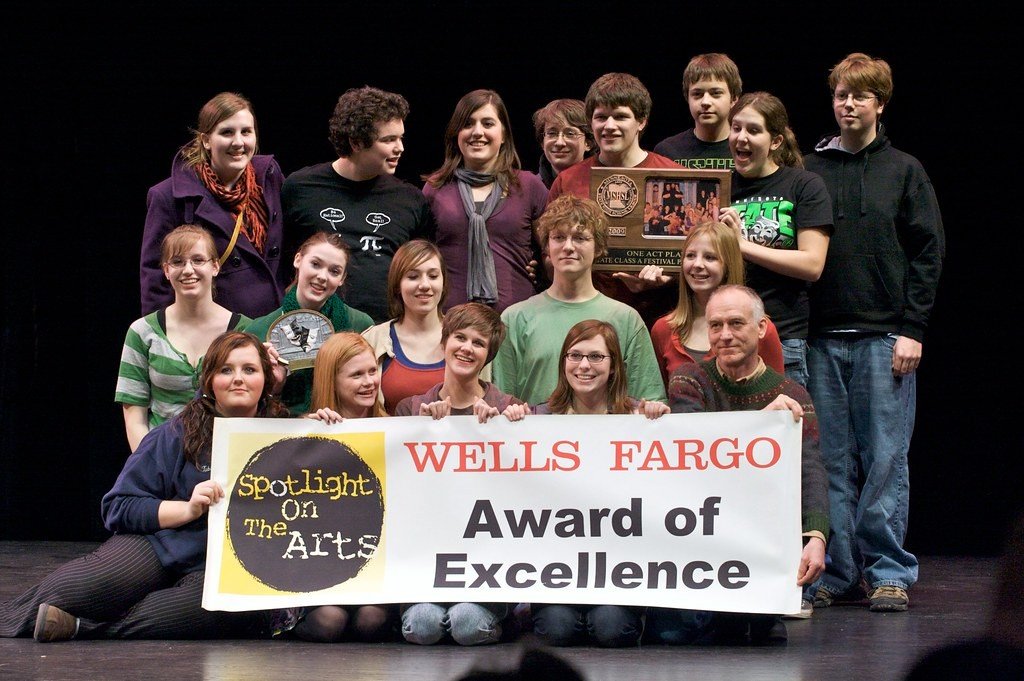
|
dōu | all, both | Lesson 14 |
|
一点儿
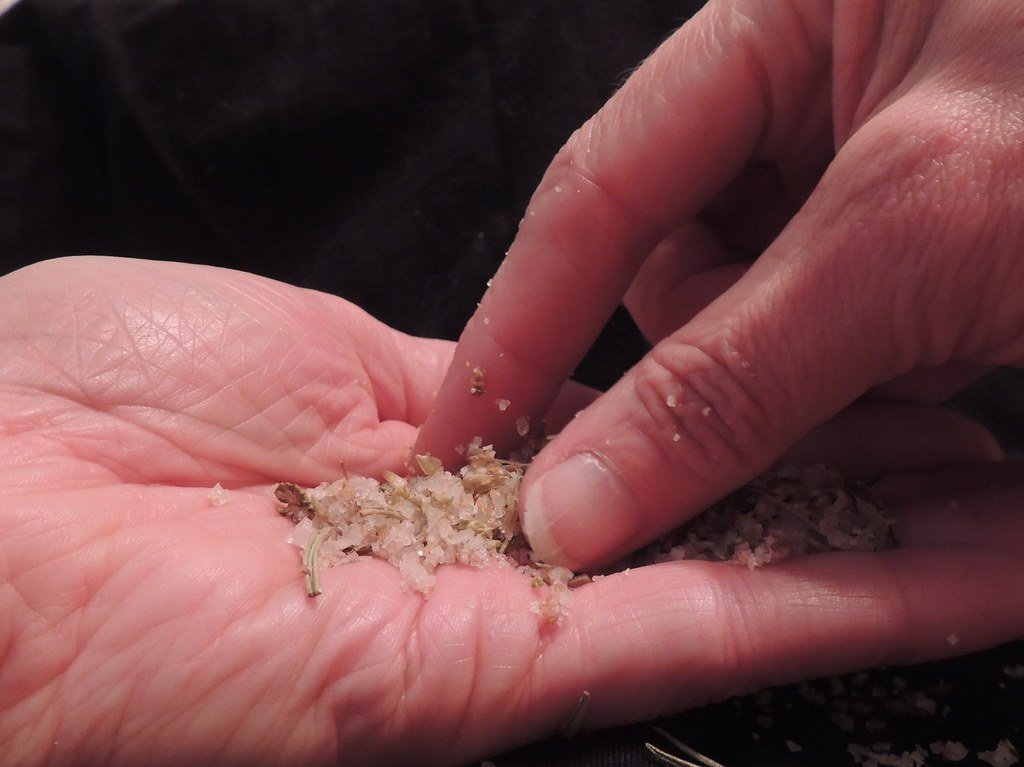
|
yīdiǎnr | a little | Lesson 14 |
|
看见

|
kànjiàn | to see | Lesson 14 |
|
东西

|
dōngxi | things, stuff | Lesson 14 |
|
分钟

|
fēnzhōng | minute | Lesson 14 |
|
开
|
kāi | to drive (a vehicle) | Lesson 14 |
|
车

|
chē | car, vehicle | Lesson 14 |
|
苹果
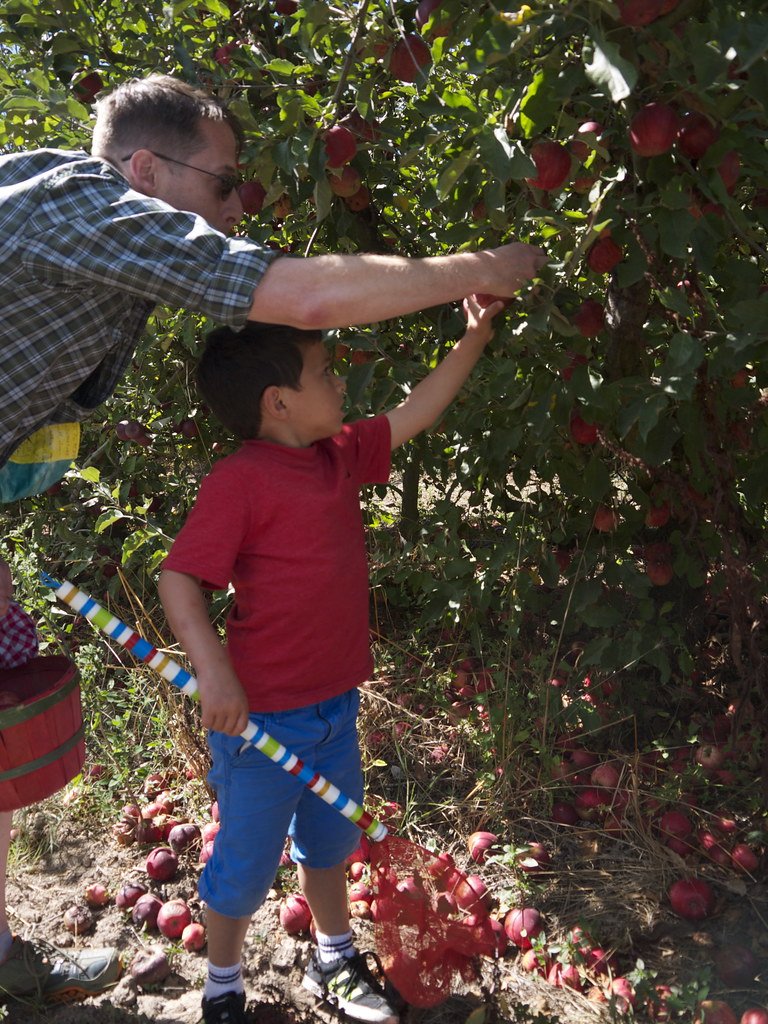
|
píngguǒ | apple | Lesson 14 |
|
少

|
shǎo | few, little | Lesson 14 |
|
先生

|
xiānsheng | Mr., sir | Lesson 14 |
|
张
|
Zhāng | (surname Zhang) | Lesson 14 |
|
这些

|
zhèxiē | these | Lesson 14 |
|
回来

|
huílai | to come back | Lesson 14 |
|
后面

|
hòumiàn | after (in time) | Lesson 14 |
Tip for teaching the words: let them listen → guess the meaning from context → repeat along with the rhythm → only then check the meanings. Don’t translate word by word right from the start.
3. Grammar focus
1. V + 了 — completed actions
了 goes AFTER the verb: 买了 (bought), 看见了 (saw), 去了 (went). To ask: …了吗?— 你买了吗? Answer: 买了 / 没买 (do not use 不 — past actions are negated with 没). Distinguish: 了 after the verb (completion) vs 了 at the end of the sentence (a change — Lesson 5).
2. 都 — “all / both”
都 goes before the verb: 他们都来了 (they have all arrived), 我们都喜欢. It goes even more naturally with 每/各 (learned later). Note: 都 is read dōu (thanh 1).
3. 一点儿 & 不少
一点儿 = a little (a small amount): 等一点儿 (wait a little), 买一点儿苹果. 不少 = quite a lot (the opposite of 少): 买了不少衣服 (bought quite a lot of clothes).
4. Practice plan
0–10 min — Warm-up
First words: the teacher opens the lesson with today’s topic — 她买了不少衣服 — on the board and one quick exchange from the lesson; students repeat it chorally, then say any words they already know from today’s list (了, 买, 衣服). The teacher ticks them off — they come back in the vocabulary step.
10–25 min — Presentation
Meet the words: present all 19 words of section 2 with the word cards and the lesson audio, in the order given there: listen → guess the meaning from the picture or context → repeat in rhythm → only then check the meaning. Start with 了 ((completion particle)), 买 (to buy), 衣服 (clothes), 不少 (quite a lot). Finish with a quick card flash: the teacher shows a card, the class says the word and its meaning together.
25–40 min — Practice
Patterns in action: work through the grammar points of section 3 one by one — V + 了 — completed action; 都 (both / all); 一点儿 and 不少 (a little / quite a few). For each point: the teacher models two examples on the board, the whole class repeats, then each student makes one sentence with a partner. Correct the classic mistakes on the spot, before they stick.
40–52 min — Communication
Weekend recount: each learner recounts 3 things they did: 星期天我去买东西了,我看见…了。 The listener must ask back one question …了吗?
Second-hand market: bring one item and pitch it for sale: 我买了…,很漂亮,不贵! The buyer asks 你买了吗?…多少钱?
All of us…: the whole class stands up if the statement is true for them: 喜欢汉语的,都举手!(everyone who likes Chinese, raise your hand!)
Dialogue relay: in pairs, students perform the model dialogues of section 5 (Going shopping / Weekend), swapping roles halfway. A pair scores a point for each dialogue finished without a meaning-changing mistake; the teacher circulates, listens in and corrects pronunciation. The pair with the most points wins.
52–60 min — Wrap-up & check
First characters: first contact with writing: students copy the lesson’s key words (了, 买, 衣服) one line each, following the stroke-order animation on the word cards in section 2. The teacher walks around checking pencil grip and stroke order.
Exit check: at the door, every student must use today’s main pattern in one sentence and one of the new words before leaving; the teacher notes who struggled — they get the first questions next lesson. Finish by previewing the homework in section 6.
Principle: speaking first, writing later. Every learner must speak at least 10 sentences during the session.
5. Model dialogues
Use the audio on the lesson page Lesson 14 to listen.
Going shopping
A: 你买了什么? (Nǐ mǎi le shénme?)
B: 我买了不少衣服。你看,这些衣服漂亮吗? (Wǒ mǎi le bùshǎo yīfu. Nǐ kàn, zhèxiē yīfu piàoliang ma?)
A: 很漂亮!多少钱? (Hěn piàoliang! Duōshao qián?)
B: 五十块。 (Wǔshí kuài.)
A: 我也想买。 (Wǒ yě xiǎng mǎi.)
Weekend
A: 星期天你做什么了? (Xīngqītiān nǐ zuò le shénme?)
B: 我去买东西了。 (Wǒ qù mǎi dōngxi le.)
A: 你看见王方了吗? (Nǐ kànjiàn Wángfāng le ma?)
B: 看见了。他也买了不少东西。 (Kànjiàn le. Tā yě mǎi le bùshǎo dōngxi.)
6. Homework
- Write each new character one line.
- Record a 30–60s speaking video using 3 patterns.
- Listen & shadow both dialogues 3×.
📷 Illustration photos: real photos from the open libraries Openverse / Wikimedia Commons / Flickr (licenses CC0, CC BY, CC BY-SA) — one real-life photo for each word, no AI drawings. Stroke-order animation: Make Me a Hanzi data (HanziWriter).