周末你有什么打算
🎯 Objectives
- Master the weekend-plans dialogue and the 17 new words
- The result complement 好 and the emphatic negative pattern
- Using 那 to draw a conclusion or make a suggestion
📚 Picture vocabulary (17 words)




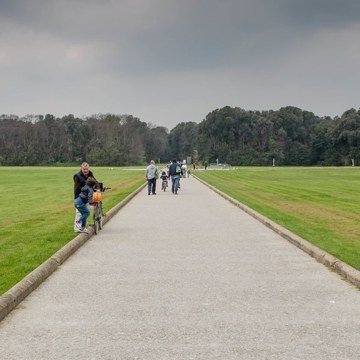
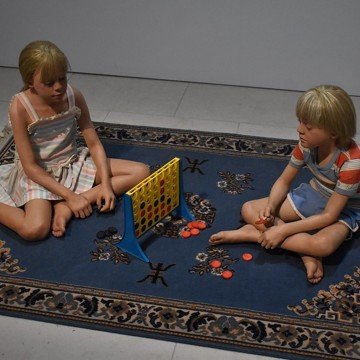

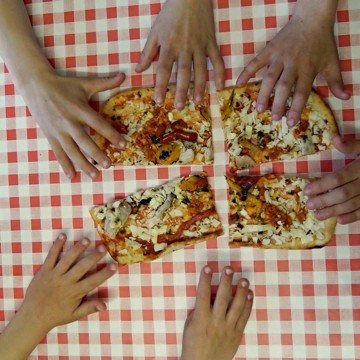

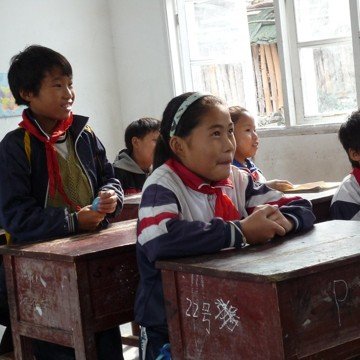
Every card has a picture and audio.
🖼️ Image credits
- 啊 (a) — AI-generated in workspace: Original AI-generated illustration created in this workspace; no third-party assets used.
- 搬 (bān) — AI-generated in workspace: Original AI-generated illustration created in this workspace; no third-party assets used.
- 北方 (běifāng) — AI-generated in workspace: Original AI-generated illustration created in this workspace; no third-party assets used.
- 打算 (dǎsuàn) — AI-generated in workspace: Original AI-generated illustration created in this workspace; no third-party assets used.
- 带 (dài) — AI-generated in workspace: Original AI-generated illustration created in this workspace; no third-party assets used.
- 地图 (dìtú) — AI-generated in workspace: Original AI-generated illustration created in this workspace; no third-party assets used.
- 复习 (fùxí) — AI-generated in workspace: Original AI-generated illustration created in this workspace; no third-party assets used.
- 跟 (gēn) — AI-generated in workspace: Original AI-generated illustration created in this workspace; no third-party assets used.
- 面包 (miànbāo) — AI-generated in workspace: Original AI-generated illustration created in this workspace; no third-party assets used.
- 南(方) (nán(fāng)) — AI-generated in workspace: Original AI-generated illustration created in this workspace; no third-party assets used.
- 一直 (yīzhí) — AI-generated in workspace: Original AI-generated illustration created in this workspace; no third-party assets used.
- 游戏 (yóuxì) — AI-generated in workspace: Original AI-generated illustration created in this workspace; no third-party assets used.
- 着急 (zháojí) — AI-generated in workspace: Original AI-generated illustration created in this workspace; no third-party assets used.
- 周末 (zhōumò) — AI-generated in workspace: Original AI-generated illustration created in this workspace; no third-party assets used.
- 作业 (zuòyè) — AI-generated in workspace: Original AI-generated illustration created in this workspace; no third-party assets used.
- 小刚 (Xiǎogāng) — AI-generated in workspace: Original AI-generated illustration created in this workspace; no third-party assets used.
- 小丽 (Xiǎolì) — AI-generated in workspace: Original AI-generated illustration created in this workspace; no third-party assets used.
📖 Grammar
📖 The resultative complement 好 (done, properly finished)
动词 + 好 (+ 了)
好 after a verb acts as a resultative complement meaning "done / satisfactorily completed". Pattern: Verb + 好 (+ 了). E.g. 做好 (finish doing), 找好 (find successfully), 准备好 (get ready).
📖 Emphatic negation with 一…也/都… (not even one)
一 + 量词 + 名词 + 也/都 + 不/没 + 动词
Emphatic total negation ("not even one…"). Pattern: 一 + measure word + noun + 也/都 + 不/没 + verb.
📖 The conjunction 那 (then — drawing a conclusion)
那 + 主语 + 动词 …(吧)
那 at the start of a sentence introduces a conclusion, decision, or suggestion after discussion. Often "then, in that case".
💬 Dialogue
Weekend plans
📝 Words in the dialogue
Words used in the dialogue with no vocabulary card of their own, one by one.
- 旅游 lǚyóu — to travel; travel — 旅 (to travel) + 游 (to tour, to roam): 我想跟小丽去北方旅游 = I want to travel to the north with Xiaoli. It is the plan the whole lesson is built around. Compare 游戏 (yóuxì, game) in this lesson — same 游.
🎬 Movie line
🎞️ 楚门的世界 (The Truman Show, 1998) — Truman Burbank (楚门·伯班克, played by Jim Carrey)
A playful all-day greeting for close friends.
📝 Words in the line
- 祝 zhù — to wish
- 早安 zǎo'ān — good morning
- 晚安 wǎn'ān — good night
⚡ Quick cards
⚠️ Verified: the iconic line of 楚门的世界 (The Truman Show, 1998), spoken by Truman; the Chinese text in this lesson is a common Chinese translation, shortened from the longer original English line; the flashcards are everyday sentences built on the lesson vocabulary, not lines from the film.
📝 Lesson-end quiz (8 questions)
📖 Answer key
- A — 打算 (dǎsuàn) = to plan — a plan is what you intend to do: 你有什么打算? = What plans do you have?
- C — Correct answer: bān
- B — 跟 here means “with; together”: 我想跟小丽去 = I want to go with Xiaoli — 跟 comes before the person you go with or do something with.
- D — Correct answer: 我做好作业了
- C — 着急 (zháojí) = anxious, worried — that restless, impatient feeling when something is pressing; the opposite is calm and unhurried.
- A — The pattern 一 + measure word + noun + 也没… stresses complete negation: 一本书也没买 = did not buy a single book — not one book at all.
- D — 那 at the start of a sentence = “so, then” — it draws a conclusion or makes a suggestion based on what was just said: 那我们明天去吧 = So let’s go tomorrow.
- B — Correct answer: bread
🏠 Homework
Match the words
★ Easy
| 1. 打算 | |
| 2. 北方 | |
| 3. 地图 | |
| 4. 复习 | |
| 5. 跟 | |
| 6. 面包 | |
| 7. 游戏 | |
| 8. 着急 |
- A. map
- B. to review
- C. with
- D. bread
- E. game
- F. anxious, worried
- G. to plan
- H. the north (of China)
📖 Answer key
- 打算 → G (to plan)
- 北方 → H (the north (of China))
- 地图 → A (map)
- 复习 → B (to review)
- 跟 → C (with)
- 面包 → D (bread)
- 游戏 → E (game)
- 着急 → F (anxious, worried)
Fill in the blanks
★ Easy–Medium
Word bank: 打算 · 跟 · 带 · 一直 · 着急 · 复习
📖 Answer key
- 打算
- 跟
- 带
- 一直
- 着急
- 复习
Multiple choice
★★ Medium
📖 Answer key
- C — Ask about plans with the set pattern: 周末你有什么打算?
- B — The resultative complement comes right after the verb: 做 + 好 → 我做好作业了。
- A — Pattern 一 + measure word + … + 也没… emphasizing total negation: did not buy even one book.
- D — Soft refusal: state what you need to do first, then suggest another time — 我先复习吧,明天再玩儿。
Role-play
★★ Medium
Weekend plans with a friend: you share your plan, your friend asks whether you are ready, and you confirm the plan together.
Dialogue frame (fill in the blanks, then role-play in pairs):
🗣️ Model
Free writing
★★★ Challenge
Check yourself before handing in:
- Includes the 打算 pattern to talk about weekend plans
- Includes at least 1 sentence with the result complement 好
- Includes at least 5 new words from this lesson
- 5–6 sentences, every sentence ends with 。
Extra practice
Extra
🧪 Chapter checks
Chapter 1 — Weekend plans, work and health (Lessons 1–5)
Mid-chapter quiz (after Lesson 3, 10 questions): Vocab 4 (Lesson 1 ×1, Lesson 2 ×1, Lesson 3 ×2) · Pinyin 2 (Lesson 1 ×1, Lesson 3 ×1) · Grammar 3 (result complement 好 Lesson 1, directional complement Lesson 2, 还是/或者 Lesson 3) · Dialogue reading 1 (Lesson 3). Answer key balanced 3/3/2/2.
Chapter test (after Lesson 5, 20 questions): Vocab 5 (1 per lesson) · Pinyin 5 (1 per lesson) · Grammar 5 (1 per lesson) · Reading comprehension 5 (1 per lesson). Answer key balanced 5/5/5/5, answer positions do not repeat the 0,1,2,3 cycle.
🧩 Practice Bank
Extra practice bank for this lesson: multiple choice, listening, matching, fill-in, sentence building, dialogue, speaking and writing. Tap the speaker button to play this lesson's own vocabulary/dialogue recordings.
Multiple choice
★ Easy → Challenge
📖 Answer key
- B
- D — běifāng
- B
- A — 周末
- B — 我一个朋友都不认识。
- A — 那你先复习吧。
- A
- C — 他复习好了。
Listen and choose
★ Easy
📖 Answer key
- C — 旅游
- A — Travel to the north with Xiaoli
- A — Because his homework is not finished yet
Match the characters to the pinyin
★ Easy
| Characters | |
|---|---|
| 1. 打算 | |
| 2. 带 | |
| 3. 复习 | |
| 4. 游戏 | |
| 5. 着急 | |
| 6. 周末 |
- A. fùxí
- B. zhōumò
- C. dài
- D. zháojí
- E. dǎsuàn
- F. yóuxì
📖 Answer key
- 打算 → E (dǎsuàn)
- 带 → C (dài)
- 复习 → A (fùxí)
- 游戏 → F (yóuxì)
- 着急 → D (zháojí)
- 周末 → B (zhōumò)
Fill in the blanks
★★ Medium
Word bank: 打算 · 跟 · 带 · 复习 · 着急 · 北方
📖 Answer key
- 星期六我打算去南方旅游。
- 她跟妹妹一起去商店。
- 去学校的时候,请带这本书。
- 明天考试,我们今天要多复习汉语。
- 朋友还没来,我有点儿着急。
Build a sentence
★★ Medium
Type the words in the correct order.
📖 Answer key
- 我周末打算跟朋友去北方旅游。
- 他一个朋友也不认识。
Complete the dialogue
★★ Medium
( say you are ready and what you brought)
( say you have not finished reviewing and feel anxious)
📖 Answer key
- 你准备好了吗? / 【准备好了,我带了地图和面包。】 / 那我们明天早上走吧。
- 你复习好了吗? / 【还没复习好,我有点儿着急。】 / 那你先复习吧。
Say it out loud
★★ Medium
🗣️ Model
🗣️ Model
Free writing
★★★ Challenge
📄 Sample
Checklist:
- Uses 打算 for a plan
- Says who you go with (跟…)
- Includes one resultative-好 sentence
- Mentions something brought (带…)
- Each sentence ends with 。 or !