
“Mum, what’s the Chinese word for dog?” If your child has ever asked you that while hugging their puppy, you already have a mini Chinese lesson sitting right there in your living room. Children memorise words fastest through the things they love, and nothing is closer to them than the pets around the house.
This article rounds up 20 pets in Chinese for kids, with audio — every word has the Chinese characters, pinyin, the English meaning and a short example sentence your child can repeat after hearing it just once. Four audio clips read slowly and clearly, sound by sound, so even a 4-year-old can keep up. At the end there’s a checking game and a little quiz for the whole family to play together after dinner.
How do 4-year-olds and 10-year-olds learn differently?
It’s the same list of 20 words, but the goal is completely different at each age. Little ones learn through their ears and eyes; older children also learn through sentences and games. Use the guide below so you don’t push your child too hard — or make it so easy that they get bored.
Ages 4–6: the goal is recognising the 5–8 most familiar animals — dog, cat, bird, fish, rabbit. Your child only needs to hear and repeat one word, and point to the right picture when you ask “which one is the cat?”. No need to memorise characters yet, no need to speak in sentences. Five minutes a session, 2–3 new words, is plenty. Children this age learn by hearing things over and over, so just play the audio in this article on repeat a few times and they’ll start babbling along on their own.
Ages 7–9: the goal is knowing 15–20 words and being able to say short sentences. For example, your child can say “我有一只小猫。” (Wǒ yǒu yì zhī xiǎo māo — I have a little kitten.) or answer “你有狗吗?” (Nǐ yǒu gǒu ma — Do you have a dog?). At this age children start to tell the tones apart, so let them listen to the audio and then quiz them: “what tone is this word?” — getting it wrong is fine, just correct it gently and listen again.
Ages 10–12: the goal is using all 20 words in short conversations. Your child can say 2–3 sentences about their own pet, hold a question-and-answer exchange with a friend, and read characters they already know without pinyin. At this age, let them play the guessing games and the quiz at the end — they’ll feel “really good” at it and want to learn new words all by themselves.
One rule for every age: 5 words learned properly beat 20 words learned and then forgotten. This article splits the 20 words into 4 groups of 5 — learn one group a day, and the whole list is done in 4 days.
20 pets in Chinese for kids, with audio
Using the table below is very simple: play the audio first, let your child listen once through, then read each word together. The characters help them recognise the written forms, the pinyin helps them read the tones correctly, and the example sentence shows them how the word lives inside a sentence. Don’t make them memorise the whole table by heart — just play with 5 words at a time, review them tomorrow, then move on.
Group 1: Five friends in the house
These are the 5 animals your child meets every day: the dog guarding the house, the cat sunbathing, the bird singing outside the window, the fish swimming in its tank, the white rabbit in its hutch. Learn this group first, because your child already knows them well in real life — they just need to attach the Chinese names.
| Animal | Hanzi | Pinyin | Example sentence |
|---|---|---|---|
| Dog |
狗

|
gǒu | 小狗汪汪叫。(Xiǎo gǒu wāng wāng jiào.) — The little dog barks woof woof. |
| Cat |
猫
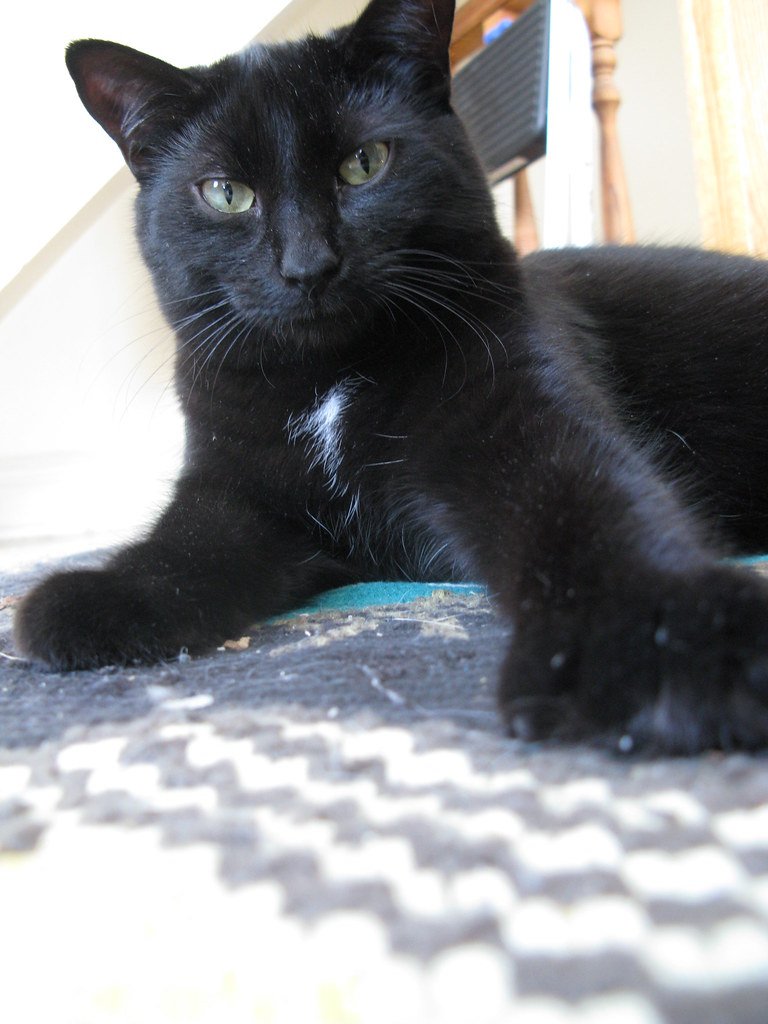
|
māo | 小猫喜欢喝牛奶。(Xiǎo māo xǐhuan hē niúnǎi.) — The kitten likes drinking milk. |
| Chim |
鸟

|
niǎo | 小鸟在天上飞。(Xiǎo niǎo zài tiān shàng fēi.) — The little bird flies in the sky. |
| Cá |
鱼

|
yú | 小鱼在水里游。(Xiǎo yú zài shuǐ lǐ yóu.) — The little fish swims in the water. |
| Rabbit |
兔子
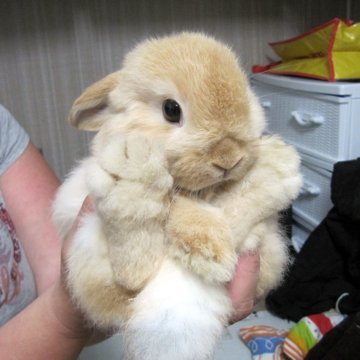
|
tùzi | 小兔子吃胡萝卜。(Xiǎo tùzi chī húluóbo.) — The little rabbit eats carrots. |
Listen to the first 5 animals read slowly, each word with a short sentence:
Feeding the fish in the evening is the best time to review words: point at the tank and ask “what animal is this?”, and if your child answers “鱼” (yú), that’s exactly right. A one-word answer deserves praise — your child is connecting Chinese with something real in front of their eyes, and that kind of learning sticks far longer than rote memorisation.
Group 2: Five animals in the yard and garden
This group is the “friends” from the countryside or the farm: the hen crowing in the morning, the duck swimming in the pond, the pig grunting away, the cow grazing, the horse running fast. City children may not meet them often, but that’s fine — their sounds are so much fun to hear, just copy the noises together and the words will stick.
| Animal | Hanzi | Pinyin | Example sentence |
|---|---|---|---|
| Gà |
鸡

|
jī | 母鸡咯咯叫。(Mǔ jī gē gē jiào.) — The hen clucks away. |
| Duck |
鸭

|
yā | 小鸭子嘎嘎叫。(Xiǎo yāzi gá gá jiào.) — The duckling quacks. |
| Pig |
猪

|
zhū | 小猪喜欢吃东西。(Xiǎo zhū xǐhuan chī dōngxi.) — The piglet likes eating. |
| Bò |
牛

|
niú | 牛喜欢吃草。(Niú xǐhuan chī cǎo.) — The cow likes eating grass. |
| Horse |
马

|
mǎ | 马跑得很快。(Mǎ pǎo de hěn kuài.) — The horse runs very fast. |
Listen to the 5 yard animals:
A little tip: the words 鸡 (jī, chicken) and 马 (mǎ, horse) are perfect for showing older children how the tones differ. 鸡 is the first tone, read high and level; 马 is the third tone, dipping down then up. Play the two words side by side a few times, and your child’s ear will gradually get used to the music of Chinese without any theory at all.
Group 3: Five pets kept indoors
This group is all “little friends” that many families keep at home: goat, sheep, hamster, turtle, frog. If there’s one your child has never seen, just show them a picture first and learn the word afterwards — seeing the face before learning the name, that’s the rule.
| Animal | Hanzi | Pinyin | Example sentence |
|---|---|---|---|
| Goat, sheep |
羊

|
yáng | 羊喜欢吃草。(Yáng xǐhuan chī cǎo.) — The goat likes eating grass. |
| Sheep |
绵羊

|
mián yáng | 绵羊的毛软软的。(Mián yáng de máo ruǎn ruǎn de.) — The sheep’s wool is soft and fluffy. |
| Hamster |
仓鼠
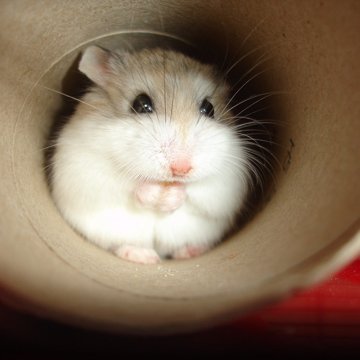
|
cāngshǔ | 仓鼠在轮子上跑。(Cāngshǔ zài lúnzi shàng pǎo.) — The hamster runs on its wheel. |
| Turtle |
乌龟

|
wūguī | 乌龟走得很慢。(Wūguī zǒu de hěn màn.) — The turtle walks very slowly. |
| Frog |
青蛙

|
qīngwā | 青蛙呱呱叫。(Qīngwā guā guā jiào.) — The frog croaks. |
Listen to the 5 indoor pets:
The turtle sentence makes every child laugh when they hear it: 乌龟走得很慢 (Wūguī zǒu de hěn màn — The turtle walks very slowly). Let your child crawl slowly around the house like a turtle while saying the sentence — when the body remembers along with the mouth, the word stays far longer than from just sitting and reading.
Group 4: Five “special” pets
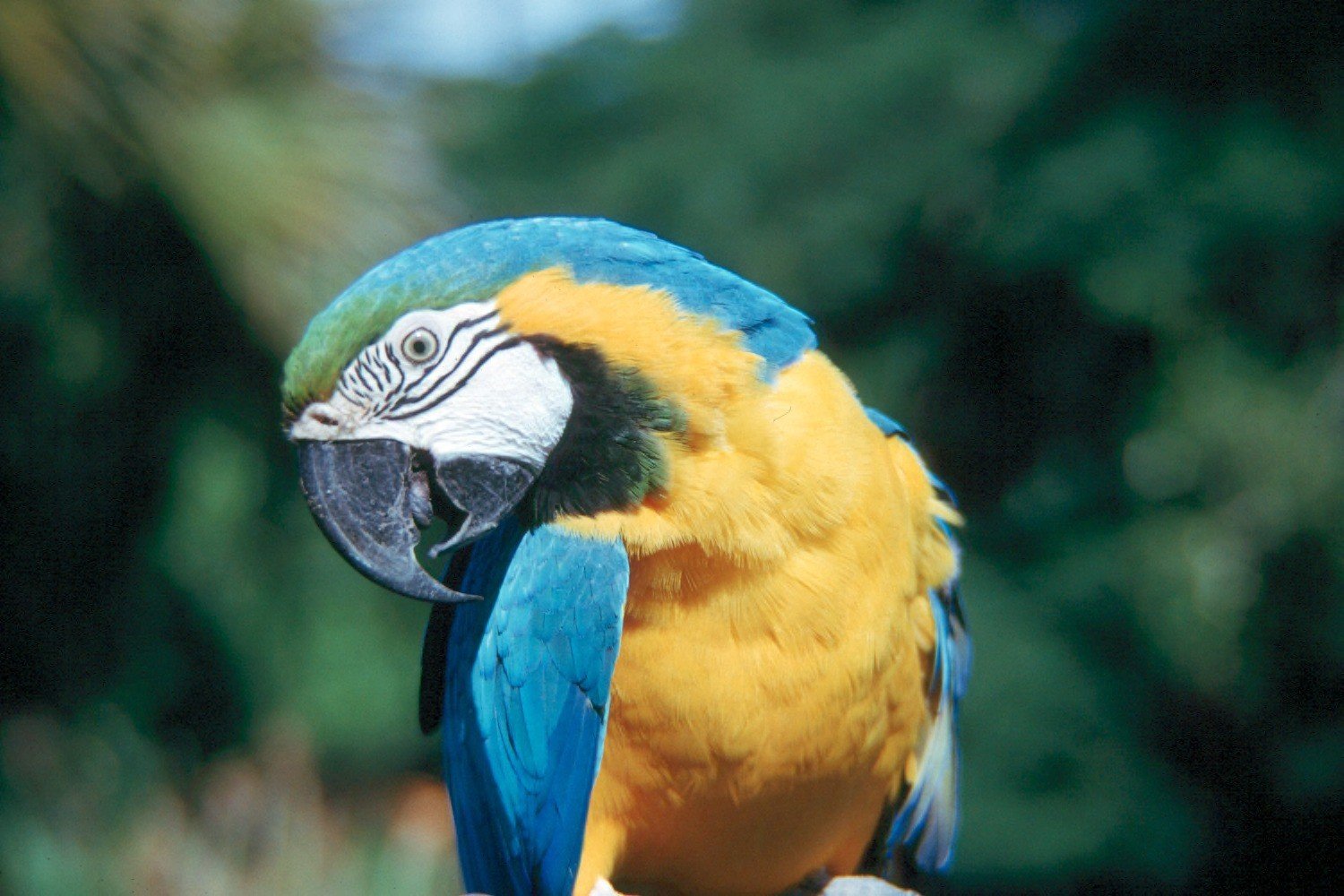
The last group is for children who love discovering new things: goldfish, parrot, silkworm, snail, hedgehog. Not every family keeps them, but every child is fascinated by them — especially the parrot that copies what people say, and the silkworm that eats mulberry leaves and then spins silk. Finish this group and your child has all 20 words.
| Animal | Hanzi | Pinyin | Example sentence |
|---|---|---|---|
| Goldfish |
金鱼

|
jīnyú | 金鱼在水里游来游去。(Jīnyú zài shuǐ lǐ yóu lái yóu qù.) — The goldfish swims back and forth in the water. |
| Parrot |
鹦鹉
|
yīngwǔ | 鹦鹉会学人说话。(Yīngwǔ huì xué rén shuōhuà.) — The parrot can copy the way people talk. |
| Silkworm |
蚕宝宝

|
cán bǎobao | 蚕宝宝喜欢吃桑叶。(Cán bǎobao xǐhuan chī sāngyè.) — The silkworm likes eating mulberry leaves. |
| Snail |
蜗牛

|
wōniú | 蜗牛背着小房子。(Wōniú bēi zhe xiǎo fángzi.) — The snail carries a little house on its back. |
| Hedgehog |
刺猬

|
cìwei | 刺猬身上有小刺。(Cìwei shēn shàng yǒu xiǎo cì.) — The hedgehog has little spines on its body. |
Listen to the 5 special animals — at the end of the clip there’s a fun question-and-answer for your child to practise speaking:
The question-and-answer at the end of the audio is a pattern your child can use right away: “你有猫吗?” (Nǐ yǒu māo ma — Do you have a cat?) — “我有一只小猫。” (Wǒ yǒu yì zhī xiǎo māo — I have a little kitten.) You ask, your child answers, then swap roles so they ask you. With just this one pattern, your child can already hold a whole little conversation.
Summary table of all 20 words — save it for evening review
You can save this table to your phone, stick it on the fridge, or print it out for your child to review by themselves. Every evening before bed, point to any 5 words — if your child reads them correctly they earn a star — and once they reach 20 stars, the whole family celebrates.
| # | Hanzi | Pinyin | Meaning |
|---|---|---|---|
| 1 |
狗
|
gǒu | Dog |
| 2 |
猫
|
māo | Cat |
| 3 |
鸟
|
niǎo | Chim |
| 4 |
鱼
|
yú | Cá |
| 5 |
兔子
|
tùzi | Rabbit |
| 6 |
鸡
|
jī | Gà |
| 7 |
鸭
|
yā | Duck |
| 8 |
猪
|
zhū | Pig |
| 9 |
牛
|
niú | Bò |
| 10 |
马
|
mǎ | Horse |
| 11 |
羊
|
yáng | Goat, sheep |
| 12 |
绵羊
|
mián yáng | Sheep |
| 13 |
仓鼠
|
cāngshǔ | Hamster |
| 14 |
乌龟
|
wūguī | Turtle |
| 15 |
青蛙
|
qīngwā | Frog |
| 16 |
金鱼
|
jīnyú | Goldfish |
| 17 |
鹦鹉
|
yīngwǔ | Parrot |
| 18 |
蚕宝宝
|
cán bǎobao | Silkworm |
| 19 |
蜗牛
|
wōniú | Snail |
| 20 |
刺猬
|
cìwei | Hedgehog |
3 activities of 5–10 minutes to play with your child every evening
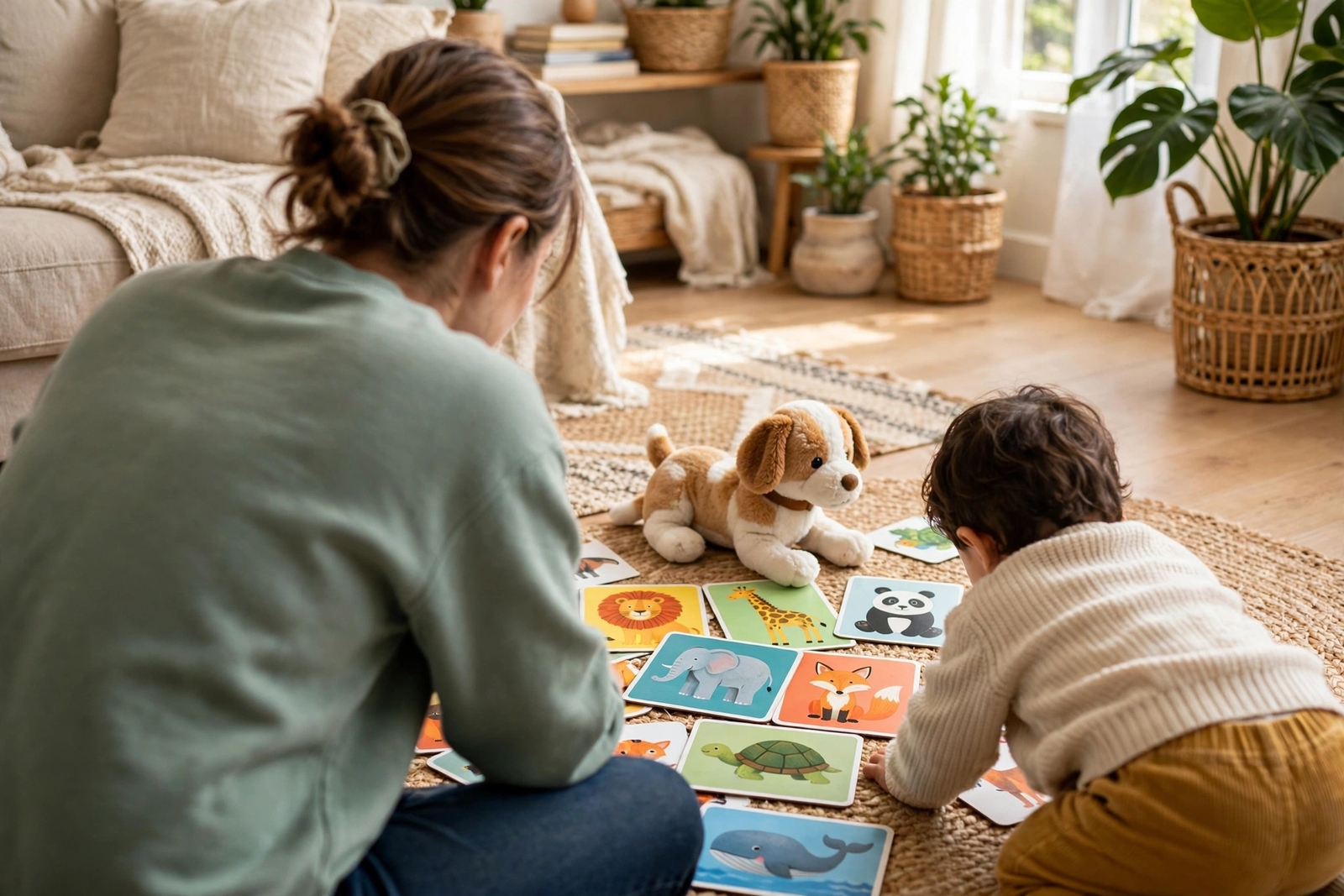
Vocabulary only stays when your child gets to use it while playing. The three activities below need almost no preparation, fit perfectly right after dinner, and take only 5–10 minutes each.
Activity 1: Who makes that sound? You make a sound — woof woof, meow, cluck cluck, quack quack, croak — and your child guesses which animal it is, then says its name in Chinese. One point for each correct guess. A 4-year-old can play this straight away, and a 10-year-old won’t turn it down either, because racing to guess first is exciting at any age.
Activity 2: Homemade word cards. Cut out 5 small pieces of paper; your child draws the animal on one side, and you write the character and pinyin on the other. Turn the cards face down on the table and flip one over — whoever reads the Chinese name correctly first keeps the card. Make the set once and it plays for a whole week — add 5 new cards each evening and you’ll cover all 20 words.
Activity 3: Find the friends around the house. Hide 5 toy animals around the living room; your child goes looking, and when they find one they have to say its Chinese name before they can “bring it home”. Exercise, word review and a treasure hunt all in one — every child loves it.
How should parents guide their child properly?
First: listen together with your child — don’t leave them listening alone. Sit beside them, listen to the audio and read along together; when children see their parents learning too, they get far more enthusiastic. If your own pronunciation isn’t perfect yet, that’s fine — the audio in the article is the standard to compare against, so just listen and adjust as you go.
Second: correct mistakes really gently. If your child says “máo” instead of “māo”, just read it correctly once, in a cheerful voice: “ah, this word is read māo — now say it with me”. Don’t correct the same thing over and over in one session, and don’t scold them with “that’s wrong” — if a small child becomes afraid of making mistakes, they’ll go quiet and stop daring to speak at all.
Third: keep every session really short. 5–10 minutes is enough; when your child starts yawning or looking away, stop right there and continue tomorrow. A little learning every day beats cramming 20 words into one session and then not touching them all week.
One more safety note: every activity with a real pet needs a parent there — feeding the fish, stroking the dog or cat, watching the turtle crawl. Remind your child to wash their hands after playing with pets, not to open cages or hutches when there’s no adult around, and not to feed animals strange food. Learning Chinese is fun, but your child’s safety always comes first.
If you’d like your child to practise more vocabulary through games, let them try LingoBubbo’s Chinese vocabulary game — after playing, come back here and review these 20 animals, and your child will find every word familiar.
Checking game: how many does your child remember?
The weekend is the time for a gentle check — not an exam-style test, just turn it into a game and your child will join in willingly.
Game 1: Guess from the sound. Copy the sound of an animal on the list, and your child says its Chinese name. Getting 4 out of 5 right is already great; 5 out of 5 deserves a small reward.
Game 2: Who’s faster? Lay 10 animal picture cards on the table; you read out a Chinese word, and whoever points to the right picture first scores a point. Play 3 rounds and add up who won — the loser will ask to review the words so they can win the rematch tomorrow.
Game 3: Talk about your little friend. Your child tells 1–2 sentences about their favourite animal, mixing English and Chinese: “I like 猫 (māo) because it’s so well-behaved.” Older children can try telling it in Chinese as much as possible; little ones can mix the two languages freely — what matters is that they dare to speak.
If your child still struggles with everyday conversation sentences, the article one Chinese sentence a day with your child will give the whole family more patterns to say to each other every day. And for 4–5-year-olds just starting out, the article the first 10 Chinese greetings for children aged 4–5 is the gentlest starting point of all.
Quick quiz: how many animals does your child remember?
Click the answer your child chooses — you’ll see straight away whether it’s right or wrong.
Your score: 0/5 — click an answer to check straight away.
Question 1. What animal is 狗 (gǒu)?
Question 2. How do you say cat in Chinese?
Question 3. What does the sentence “小鱼在水里游” (Xiǎo yú zài shuǐ lǐ yóu) mean?
Question 4. What animal is 乌龟 (wūguī)?
Question 5. What is the sentence “你有猫吗?” (Nǐ yǒu māo ma) used to ask?
Frequently asked questions
How many words can a 4-year-old learn each day? 2–3 new words is just right, plus reviewing yesterday's words. Children this age remember by hearing things repeated many times, so don't rush into new words while the old ones aren't solid yet. Learn slowly but surely — in a week your child will know the whole first group of 5 words.
What if my child reads the tones wrong — how do I correct them? Let your child listen to the audio in the article again and read along — don't explain tone theory to little ones. With older children, you can compare two words with different tones side by side — for example 鸡 (jī, first tone) and 马 (mǎ, third tone) — so their ear gets used to it gradually. Correct once and leave it there; tomorrow's listening will naturally be more accurate.
Should I teach Chinese characters to a 4–5-year-old? Only let them recognise characters through pictures — don't force writing. For example, the character 鱼 (yú, fish) has strokes that look like a fish swimming, and 鸟 (niǎo, bird) looks like a bird — tell your child little stories like that and they'll remember the shapes naturally. Leave writing characters until later, when they're older and their hands are steadier.
How long should we learn each day? 5–10 minutes, regularly, every day. Best of all, attach it to something familiar: feeding the fish, walking the dog, bathing the cat. When learning is tied to real activities, your child won't feel they're “studying” — they'll feel they're playing with their little friend in a new language.
Which of these 20 animals does your child like best? Tell me in the comments, and send this article to other parents looking for a gentle way to teach their child Chinese. If you'd like to keep playing, the whole family can drop by LingoBubbo's Chinese vocabulary game — play and review at the same time, and tomorrow your child will know a few more words, just wait and see.
📷 Photo credits: real photos from the open photo collections Openverse / Wikimedia Commons / Flickr (CC0, CC BY, CC BY-SA licences) — one real-life photo for every word, no AI illustrations used. Stroke-order animations: data from Make Me a Hanzi (HanziWriter).