她买了不少衣服
🎯 Objectives
- Say completed actions with 了
- Use 都 for “all/both” and 一点儿 for “a little”
- Shopping: clothes, things, seeing something pretty
📚 Picture vocabulary (17 words)




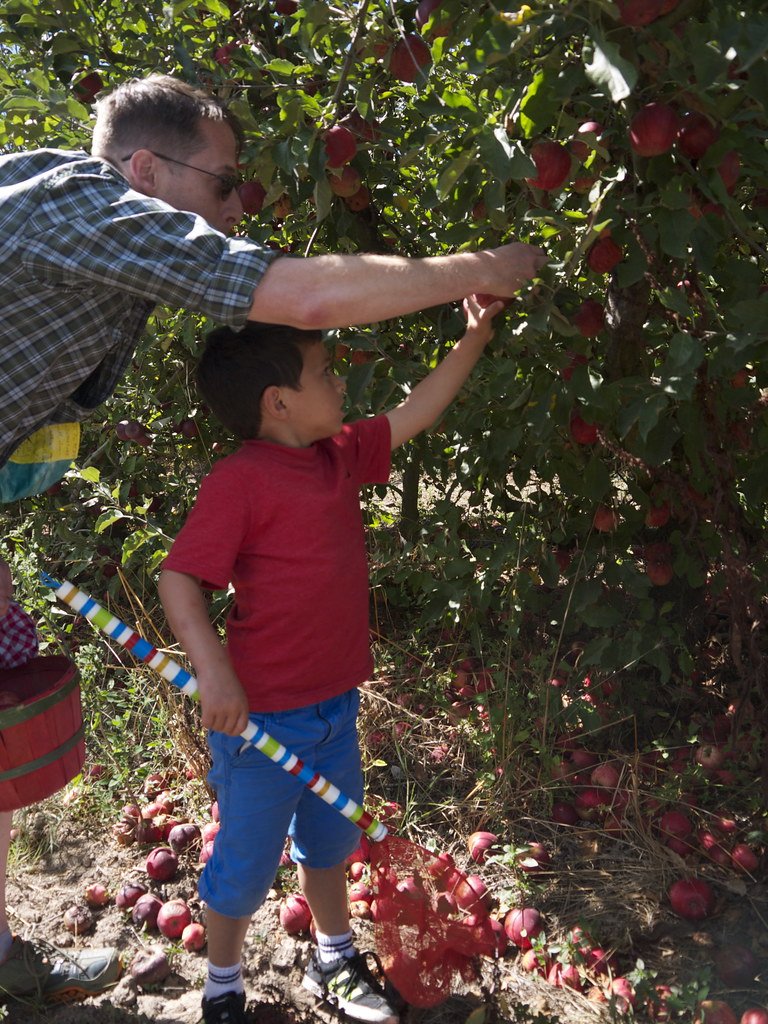





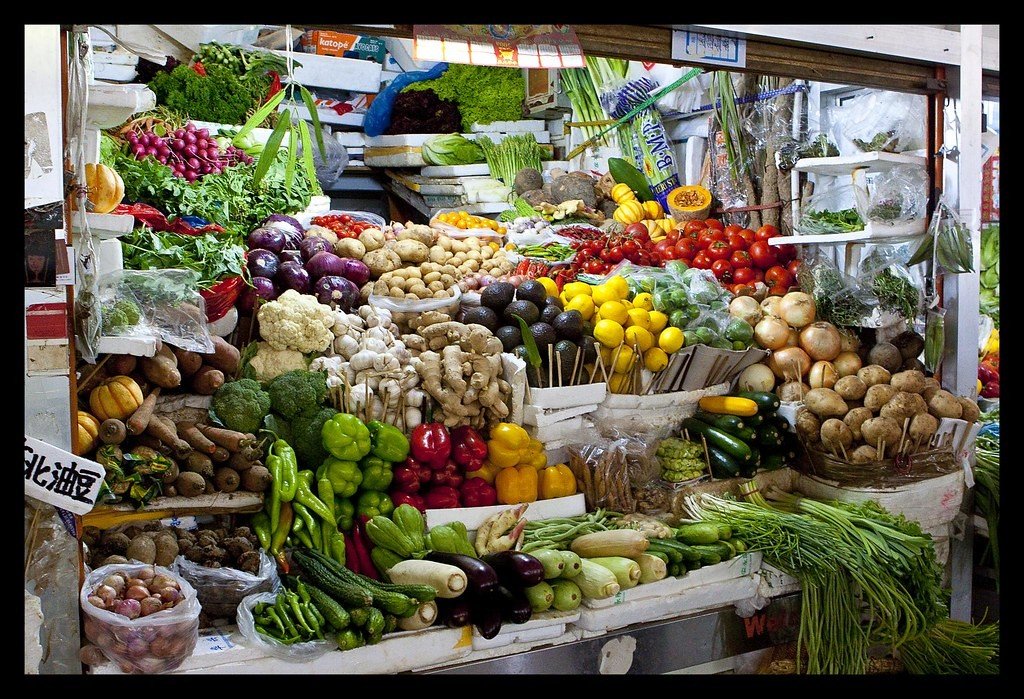
Every card has a picture and audio.
🖼️ Image credits
- 衣服 (yīfu) — AI-generated in workspace: Original AI-generated illustration created in this workspace; no third-party assets used.
- 买 (mǎi) — AI-generated in workspace: Original AI-generated illustration created in this workspace; no third-party assets used.
- 东西 (dōngxi) — AI-generated in workspace: Original AI-generated illustration created in this workspace; no third-party assets used.
- 漂亮 (piàoliang) — AI-generated in workspace: Original AI-generated illustration created in this workspace; no third-party assets used.
- 看见 (kànjiàn) — AI-generated in workspace: Original AI-generated illustration created in this workspace; no third-party assets used.
- 苹果 (píngguǒ) — AI-generated in workspace: Original AI-generated illustration created in this workspace; no third-party assets used.
- 先生 (xiānsheng) — AI-generated in workspace: Original AI-generated illustration created in this workspace; no third-party assets used.
- 分钟 (fēnzhōng) — AI-generated in workspace: Original AI-generated illustration created in this workspace; no third-party assets used.
- 开 (kāi) — AI-generated in workspace: Original AI-generated illustration created in this workspace; no third-party assets used.
- 车 (chē) — AI-generated in workspace: Original AI-generated illustration created in this workspace; no third-party assets used.
- 都 (dōu) — AI-generated in workspace: Original AI-generated illustration created in this workspace; no third-party assets used.
- 一点儿 (yìdiǎnr) — AI-generated in workspace: Original AI-generated illustration created in this workspace; no third-party assets used.
- 少 (shǎo) — AI-generated in workspace: Original AI-generated illustration created in this workspace; no third-party assets used.
- 不少 (bùshǎo) — AI-generated in workspace: Original AI-generated illustration created in this workspace; no third-party assets used.
- 回来 (huílai) — AI-generated in workspace: Original AI-generated illustration created in this workspace; no third-party assets used.
- 这些 (zhèxiē) — AI-generated in workspace: Original AI-generated illustration created in this workspace; no third-party assets used.
- 后 (hòu) — AI-generated in workspace: Original AI-generated illustration created in this workspace; no third-party assets used.
📖 Grammar
📖 了 — completed actions
Verb + 了 (+ object)
了 after a verb signals completion: 她买了衣服 (She bought clothes). It is not a blanket past tense — it marks completion or change.
📖 都 — all / both
Subject (plural) + 都 + predicate
都 sums up the whole subject: 我们都是学生 (We are all students). It stands after the subject, before the predicate.
📖 一点儿 — a little
一点儿 + noun / adjective + 一点儿
一点儿 marks a small amount: 一点儿水 (a little water). After an adjective it means “a bit more”: 便宜一点儿 (a bit cheaper).
🧩 Patterns
🧩 [verb] + 了 + [object]
🧩 都 + [predicate]
💬 Dialogue
🗣️ Shopping for clothes
📝 Words in the dialogue
Words used in the dialogue with no vocabulary card of their own, one by one.
- 件 jiàn — measure word counting single items (clothes, things): 这件衣服 = this item of clothing; 她买了三件衣服 = she bought three items of clothing. In the dialogue: 你看,这件衣服漂亮吗? Note: 件 counts items one by one, while 这些 (a card in this lesson) points to a whole group, “these”.
- 好看 hǎokàn — good-looking, pretty — built from 好 (good, easy) + 看 (to look), literally “easy on the eyes”, the same 好 + verb pattern as 好写 in Lesson 6. In the dialogue: 先生,这些都很好看。 = Sir, these all look great. Close in meaning to 漂亮 (a card in this lesson).
🎬 Movie line
🎞️ 我不是药神 (Dying to Survive, 2018) — Speaker not confirmed — the line is widely quoted as a famous line from the film, but the public sources checked do not name the character who says it
The line that caused a stir about money and buying medicine in the famous social drama; it links to this shopping lesson from the 'can you afford it or not' point of view.
A bitterly humorous line used when something is far too expensive to afford.
📝 Words in the line
- 世上 shìshang — in the world
- 只有 zhǐyǒu — only have
- 病 bìng — illness
- 穷 qióng — poor
⚡ Quick cards
⚠️ Cross-checked against the film’s public quote lists and analysis pieces (the line is recorded in the forms “世界上只有一种病,那就是穷病” / “世界上只有一种病,穷病……”), but the sources checked do not pin down the character/speaker, and the earlier attribution to Zhang Changlin has been removed. Not yet checked directly against the film itself. The flashcards are everyday sentences following the lesson, not lines from the film.
📝 Lesson-end quiz (8 questions)
📖 Answer key
- C — 了 comes right after the verb.
- C — Negative past: 没 + verb, and drop 了.
- A — 都 goes after the subject: 我们都是学生。
- B — 一点儿 + noun.
- B — 不少 = “not a little” = quite a lot.
- A — Correct answer: 这些衣服都很漂亮。
- D — Correct answer: 我没买衣服。
- D — Correct answer: 一点儿水果
🏠 Homework (from easy to hard)
A. Match the words
★ Easy
| Word | Meaning (choose a letter) |
|---|---|
| 1. 衣服 | |
| 2. 东西 | |
| 3. 漂亮 | |
| 4. 看见 | |
| 5. 苹果 | |
| 6. 先生 | |
| 7. 都 | |
| 8. 一点儿 |
- A. pretty
- B. to see
- C. apple
- D. Mr., sir
- E. all, both
- F. a little
- G. clothes
- H. thing
📖 Answer key
- 衣服 → G (clothes)
- 东西 → H (thing)
- 漂亮 → A (pretty)
- 看见 → B (to see)
- 苹果 → C (apple)
- 先生 → D (Mr., sir)
- 都 → E (all, both)
- 一点儿 → F (a little)
B. Fill in the blanks
★ Easy–Medium
Word bank: 买了 · 都 · 漂亮 · 不少 · 一点儿 · 回来
📖 Answer key
- 买了
- 都
- 漂亮
- 不少
- 一点儿
- 回来
C. Multiple choice
★★ Medium
📖 Answer key
- A — An adjective as the predicate: 这件衣服很漂亮!
- D — Asking how much was bought: 你买了多少衣服?
- C — Verb + 了 + object: 我买了不少衣服。
- B — 一点儿 + noun: 一点儿水果。
D. Role-play
★★ Medium
Shop for clothes with a friend: praise an item, ask how much they bought, then suggest buying some fruit.
Dialogue frame (fill in the blanks, then role-play in pairs):
🗣️ Model
E. Free writing
★★★ Challenge
Check your work before submitting:
- It has at least 2 sentences with 了
- It has at least 1 sentence with 都
- It has at least 1 sentence with 一点儿
- 4–6 sentences, each ending with 。
F. Extra practice
Extra
🧪 Chapter checks
Chapter 3 — Time, weather, daily life and getting around (Lessons 11–15)
Mid-chapter quiz (after Lesson 13, 10 questions): Vocabulary 4 (Lessons 11–13) · Pinyin 2 · Grammar 3 · Dialogue reading 1.
Chapter test (after Lesson 15, 20 questions): Vocabulary 6 (whole chapter) · Pinyin 3 · Grammar 7 · Dialogue reading 4 — covers Lessons 11–15.
Want to follow the 90-day roadmap?
HSK 1 lessons on LingoBubbo are always free — and the roadmap package gives you a day-by-day study plan + an exclusive workbook (not available on the website) + a weekly “what can I say now?” checklist + 186 flashcards, like learning with a teacher beside you. From just $4.99, one-time purchase, no subscription.
Done with Lesson 14? Take this lesson's own test as well to lock it in: