보통 몇 시에 일어나요?
🎯 Objectives
- Use 25 home and daily-life words
- Conjugate the informal-polite (아요/어요) and formal (ㅂ니다/습니다) present
- Use 안 negation, contrast 에/에서, follow the routine dialogue and reading
📚 Picture vocabulary (25 words)
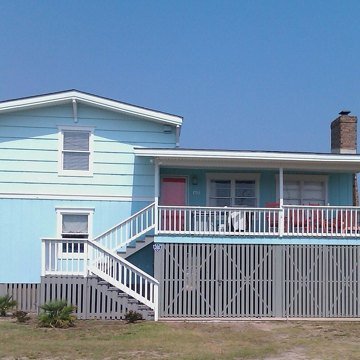





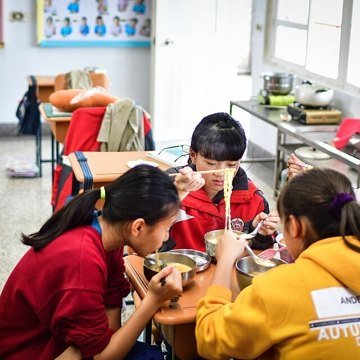

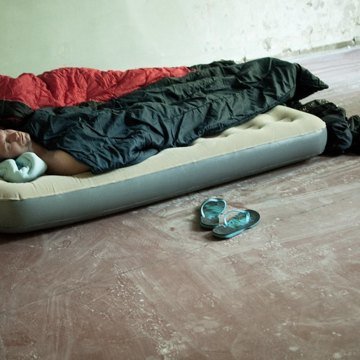


Every card has a picture and audio.
🖼️ Image credits
- 집 (jip) — AI-generated in workspace: Original AI-generated illustration created in this workspace; no third-party assets used.
- 방 (bang) — AI-generated in workspace: Original AI-generated illustration created in this workspace; no third-party assets used.
- 학교 (hakgyo) — AI-generated in workspace: Original AI-generated illustration created in this workspace; no third-party assets used.
- 회사 (hoesa) — AI-generated in workspace: Original AI-generated illustration created in this workspace; no third-party assets used.
- 아침 (achim) — AI-generated in workspace: Original AI-generated illustration created in this workspace; no third-party assets used.
- 점심 (jeomsim) — AI-generated in workspace: Original AI-generated illustration created in this workspace; no third-party assets used.
- 저녁 (jeonyeok) — AI-generated in workspace: Original AI-generated illustration created in this workspace; no third-party assets used.
- 밥 (bap) — AI-generated in workspace: Original AI-generated illustration created in this workspace; no third-party assets used.
- 물 (mul) — AI-generated in workspace: Original AI-generated illustration created in this workspace; no third-party assets used.
- 책 (chaek) — AI-generated in workspace: Original AI-generated illustration created in this workspace; no third-party assets used.
- 컴퓨터 (keompyuteo) — AI-generated in workspace: Original AI-generated illustration created in this workspace; no third-party assets used.
- 전화 (jeonhwa) — AI-generated in workspace: Original AI-generated illustration created in this workspace; no third-party assets used.
- 텔레비전 (tellebijeon) — AI-generated in workspace: Original AI-generated illustration created in this workspace; no third-party assets used.
- 영화 (yeonghwa) — AI-generated in workspace: Original AI-generated illustration created in this workspace; no third-party assets used.
- 음악 (eumak) — AI-generated in workspace: Original AI-generated illustration created in this workspace; no third-party assets used.
- 가다 (gada) — AI-generated in workspace: Original AI-generated illustration created in this workspace; no third-party assets used.
- 오다 (oda) — AI-generated in workspace: Original AI-generated illustration created in this workspace; no third-party assets used.
- 먹다 (meokda) — AI-generated in workspace: Original AI-generated illustration created in this workspace; no third-party assets used.
- 마시다 (masida) — AI-generated in workspace: Original AI-generated illustration created in this workspace; no third-party assets used.
- 자다 (jada) — AI-generated in workspace: Original AI-generated illustration created in this workspace; no third-party assets used.
- 일어나다 (ireonada) — AI-generated in workspace: Original AI-generated illustration created in this workspace; no third-party assets used.
- 보다 (boda) — AI-generated in workspace: Original AI-generated illustration created in this workspace; no third-party assets used.
- 읽다 (ikda) — AI-generated in workspace: Original AI-generated illustration created in this workspace; no third-party assets used.
- 쓰다 (sseuda) — AI-generated in workspace: Original AI-generated illustration created in this workspace; no third-party assets used.
- 운동하다 (undonghada) — AI-generated in workspace: Original AI-generated illustration created in this workspace; no third-party assets used.
📖 Grammar
📖 아요 / 어요
Verb/adjective stem + 아요 (vowel ㅏ/ㅗ) / 어요 (all the rest)
Vowel harmony: stems with ㅏ/ㅗ take 아요, all others take 어요. Common contractions: 가다→가요, 오다→와요, 마시다→마셔요, 보다→봐요, 쓰다→써요, 하다→해요.
📖 ㅂ니다 / 습니다
Stems ending in a vowel + ㅂ니다 · stems ending in a consonant + 습니다
The formal style used in presentations, news and service settings. Vowel stems + ㅂ니다 (가다→갑니다); consonant stems + 습니다 (먹다→먹습니다, 읽다→읽습니다).
📖 안
안 + verb (아요/어요 form)
안 goes right before the verb to negate a voluntary or habitual action: 안 먹어요 (don't eat), 안 가요 (don't go). Contrast -지 못하다 (can't), Lesson 8.
📖 에 / 에서
Noun + 에 (destination · time point · place of existence) / + 에서 (place where the action happens)
에 marks destination (학교에 가요), time (7시에 일어나요) and place of existence (집에 있어요). 에서 marks where an action happens (집에서 밥을 먹어요). Tip: if an action happens there, use 에서.
Appendix: Sino-Korean numbers and telling time
일 이 삼 사 오 육 칠 팔 구 십 · hours + 시, minutes + 분, half past = 반
Sino-Korean 1–10: 일 이 삼 사 오 육 칠 팔 구 십; tens combine (이십, 삼십…), 100 = 백, e.g. 25 = 이십오. Hour + 시, minute + 분, half = 반: 7시 반 = 7:30. Days: 월요일…일요일 (Monday–Sunday).
💬 Dialogue
🗣️ An ordinary day: Sara asks, Minjun answers (A = 사라 Sara, B = 민준 Minjun) ·
🎧 Listening
📖 Answer key
Listening: 1. 7시에 일어나요. 2. 집에서 먹어요. 3. 한국어를 공부해요. 4. 11시에 자요.
Reading: 1. 7시에 일어나요. 2. 학교에서 공부해요. 3. 친구를 만나요. 4. 밥을 먹고 텔레비전을 봐요.
📖 Reading
📖 Answer key
Listening: 1. 7시에 일어나요. 2. 집에서 먹어요. 3. 한국어를 공부해요. 4. 11시에 자요.
Reading: 1. 7시에 일어나요. 2. 학교에서 공부해요. 3. 친구를 만나요. 4. 밥을 먹고 텔레비전을 봐요.
🎬 Movie line
🎞️ 기생충 (Parasite, 2019) — Bong Joon Ho — Ki-taek (기택, Song Kang-ho) speaks to his son Ki-woo (기우)
A playful compliment for someone who has everything planned: “You have a plan for everything!”
📝 Words in the line
- 너 neo — you (familiar)
- 계획 gyehoek — plan
- 있다 itda — to have; to be (exist)
⚡ Quick cards
📝 Lesson-end quiz (8 questions)
📖 Answer key
- A — Correct answer: computer. 컴퓨터 = computer.
- B — stem vowel → + 어요.
- C — studying is an action happening at school → 에서.
- D — vowel stem + ㅂ니다.
- D — Correct answer: 7:30. 반 = half past.
- C — Correct answer: before the verb. 안 + verb: 안 먹어요, 안 가요.
- B — Correct answer: morning; breakfast.
- A — to get up.
🏠 Homework
Match the words
★ Easy
| 1. 집 | |
| 2. 학교 | |
| 3. 아침 | |
| 4. 저녁 | |
| 5. 책 | |
| 6. 영화 | |
| 7. 가다 | |
| 8. 운동하다 |
- A.
- B.
- C. book
- D. movie
- E.
- F.
- G.
- H.
📖 Answer key
- 1. 집 → G
- 2. 학교 → H
- 3. 아침 → A
- 4. 저녁 → B
- 5. 책 → C (book)
- 6. 영화 → D (movie)
- 7. 가다 → E
- 8. 운동하다 → F
Fill in the blanks
★ Easy–Medium
Word bank: 일어나요 · 먹어요 · 가요 · 봐요 · 운동해요 · 자요
📖 Answer key
- 1. 일어나요
- 2. 먹어요
- 3. 가요
- 4. 봐요
- 5. 운동해요
- 6. 자요
Multiple choice
★★ Medium
📖 Answer key
- B — Habitual negation: 안 + verb (안 봐요).
- C — Studying happens at school, so 에서.
- D — Consonant stem + 습니다: 먹습니다.
- A — 반 = half past: 7:30; 일어나요 = get up.
Role-play
★★ Medium
Ask a friend about their morning and evening routine: what time they get up, where they eat, what they do at night, when they sleep.
🗣️ Model
Free writing
★★★ Challenge
- Uses 아요/어요 for every verb in the paragraph
- Includes at least 1 sentence with 에 (time/destination) and 1 with 에서 (place of action)
- States the time clearly with Sino-Korean numbers + 시 (and 반 where applicable)
Extra practice
Extra
📚 Cumulative Review
📖 Answer key
- A — student.
- B — Correct answer: water.
- C — consonant stem + 습니다.
- D — eating is an action at home → 에서.
- A — Correct answer: company.
- B — 마시다 contracts to 마셔요.
- C — half.
- D — sleeping is an action → 에서; 가요 takes 에.
- D — 저 + 는 → 저는 (topic).
- C — Correct answer: 운동해요. 하다 → 해요.
- B — Correct answer: Monday. 월요일 화요일 수요일 목요일 금요일 토요일 일요일 = Mon–Sun.
- A — every day.
⚡ Quick Check
📖 Answer key
- 1. 가요
- 2. 먹습니다
- 3. 저는 텔레비전을 안 봐요.
- 4. 에서
- 5. Translation: I go to school at 8. → 저는 8시에 학교에 가요.
🧪 Chapter checks
Chapter 2 — Tenses, daily life, shopping and weather (Lessons 6–10)
Mid-chapter quiz (after Lesson 8, 10 questions): Vocabulary 4 (Lesson 6: two questions, Lesson 7: one question, Lesson 8: one question) · Romanization (RR) 2 · Grammar 3 (아요/어요 and ㅂ니다/습니다, 았/었 and ㄹ 거예요, 안 and -지 않다/-지 못하다) · Dialogue reading 1. Balanced answers 3/3/2/2.
Chapter test
🧩 Practice Bank · 연습 문제
Extra practice bank for this lesson: multiple choice, listening, matching, fill-in, sentence building, dialogue, speaking and writing. Tap 🔊 to listen with this lesson's own audio.
Audio in this lesson: one listening passage and six conversation clips.
1. Multiple choice · 객관식
★ Easy → ★★★ Challenge
📖 Answer key
- Question 1: B — tellebijeon
- Question 2: D — [가치]
- Question 3: A — 써요
- Question 4: C — 잡니다
- Question 5: C — 에
- Question 6: A — 저는 물을 안 마셔요.
- Question 7: D — noon; lunch
- Question 8: B — 저는 집에서 영화를 봐요.
2. Listen and choose · 듣기
★ Easy
📖 Answer key
- Question 1: C — He gets up at 7 and goes to sleep at 11.
- Question 2: A — 운동해요.
- Question 3: B — 책을 읽어요.
3. Match the Korean words to the romanization
★ Easy
| Korean | Romanization (choose a letter) |
|---|---|
| 1. 방 | |
| 2. 회사 | |
| 3. 점심 | |
| 4. 물 | |
| 5. 컴퓨터 | |
| 6. 전화 |
- A. jeomsim
- B. bang
- C. keompyuteo
- D. mul
- E. hoesa
- F. jeonhwa
📖 Answer key
- 1. 방 → B (bang)
- 2. 회사 → E (hoesa)
- 3. 점심 → A (jeomsim)
- 4. 물 → D (mul)
- 5. 컴퓨터 → C (keompyuteo)
- 6. 전화 → F (jeonhwa)
4. Fill in the blanks · 빈칸 채우기
★★ Medium
Word bank: 일어나요 · 마셔요 · 가요 · 읽어요 · 자요 · 운동해요
📖 Answer key
- 1. 저는 6시에일어나요.
- 2. 아침에 물을마셔요.
- 3. 오후에 회사에가요.
- 4. 저녁에 책을읽어요.
- 5. 저는 10시에자요.
5. Build a sentence · 문장 만들기
★★ Medium
Type the words in the correct order to make the sentence.
📖 Answer key
- 1. 저는 아침에 물을 마셔요
- 2. 저는 오후에 운동해요
6. Complete the dialogue · 대화 완성
★★ Medium
🎬 Minjun asks Sara about her evening.
(Say you read a book at home.)
🎬 Talking about the morning.
(Answer yes: you exercise.)
📖 Answer key
- 1. 사라 씨, 저녁에 뭐 해요? / 【집에서 책을 읽어요】 / 저는 텔레비전을 봐요.
- 2. 민준 씨, 아침에 운동해요? / 【네, 운동해요】 / 몇 시에 일어나요? / 6시에 일어나요.
7. Say it out loud · 말하기
★★ Medium
🗣️ Model
🗣️ Model
8. Free writing · 쓰기
★★★ Challenge
📄 Sample
Check yourself before you finish:
- Use 아요/어요 for every verb
- Use 에 for a time or destination and 에서 for the place of an action
- Write times as number + 시 (add 반 for half past)
- Write 5 sentences and end each one with a period (.)
Done with Lesson 6? Take this lesson's own test as well to lock it in: