DELE A1 · Lesson 5 — ¿Qué hora es? (Time & Daily Schedule (DELE A1)) · LingoBubbo Spanish


DELE A1 · Lesson 5 — ¿Qué hora es? (Time & Daily Schedule (DELE A1)) · LingoBubbo Spanish

← Contents

LingoBubbo · Spanish
Communication first

DELE A1 · Lesson 5

¿Qué hora es?

Time & Daily Schedule (DELE A1)

🎯 Objectives

  • Say days, months and seasons (lowercase) and ask/tell the time with quarter and half expressions
  • Use reflexive verbs for routines and distinguish hay from está/están
  • Read a daily schedule and catch four times in listening

📚 Picture vocabulary (46 words)

lunes

lunes
Monday
martes

martes
Tuesday
miércoles

miércoles
Wednesday
jueves

jueves
Thursday
viernes

viernes
Friday
sábado

sábado
Saturday
domingo

domingo
Sunday
enero

enero
January
febrero

febrero
February
marzo

marzo
March
abril

abril
April
mayo

mayo
May
junio

junio
June
julio

julio
July
agosto

agosto
August
septiembre

septiembre
September
octubre

octubre
October
noviembre

noviembre
November
diciembre

diciembre
December
la primavera

la primavera
spring
el verano

el verano
summer
el otoño

el otoño
autumn
el invierno

el invierno
winter
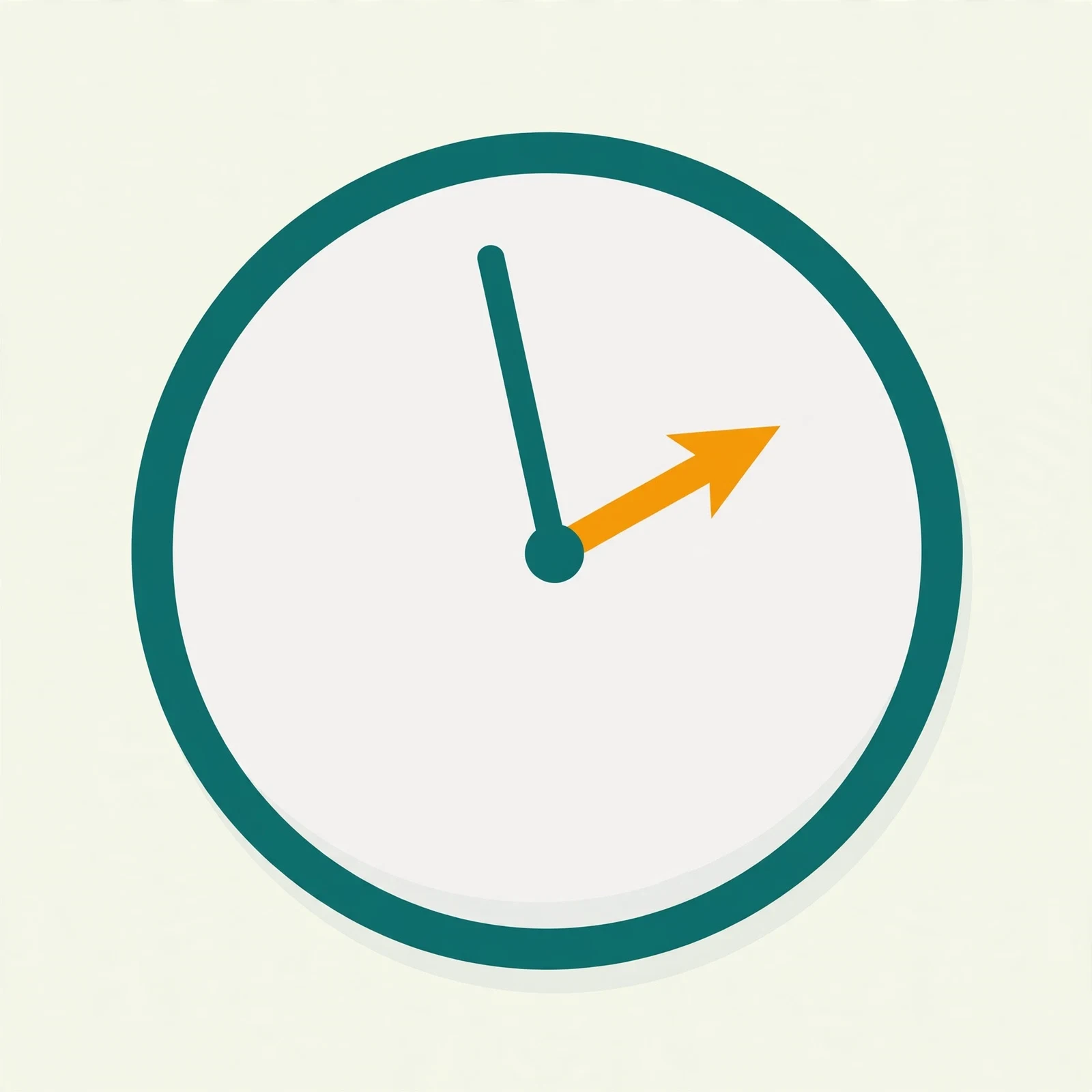
¿qué hora es?

¿qué hora es?
what time is it?
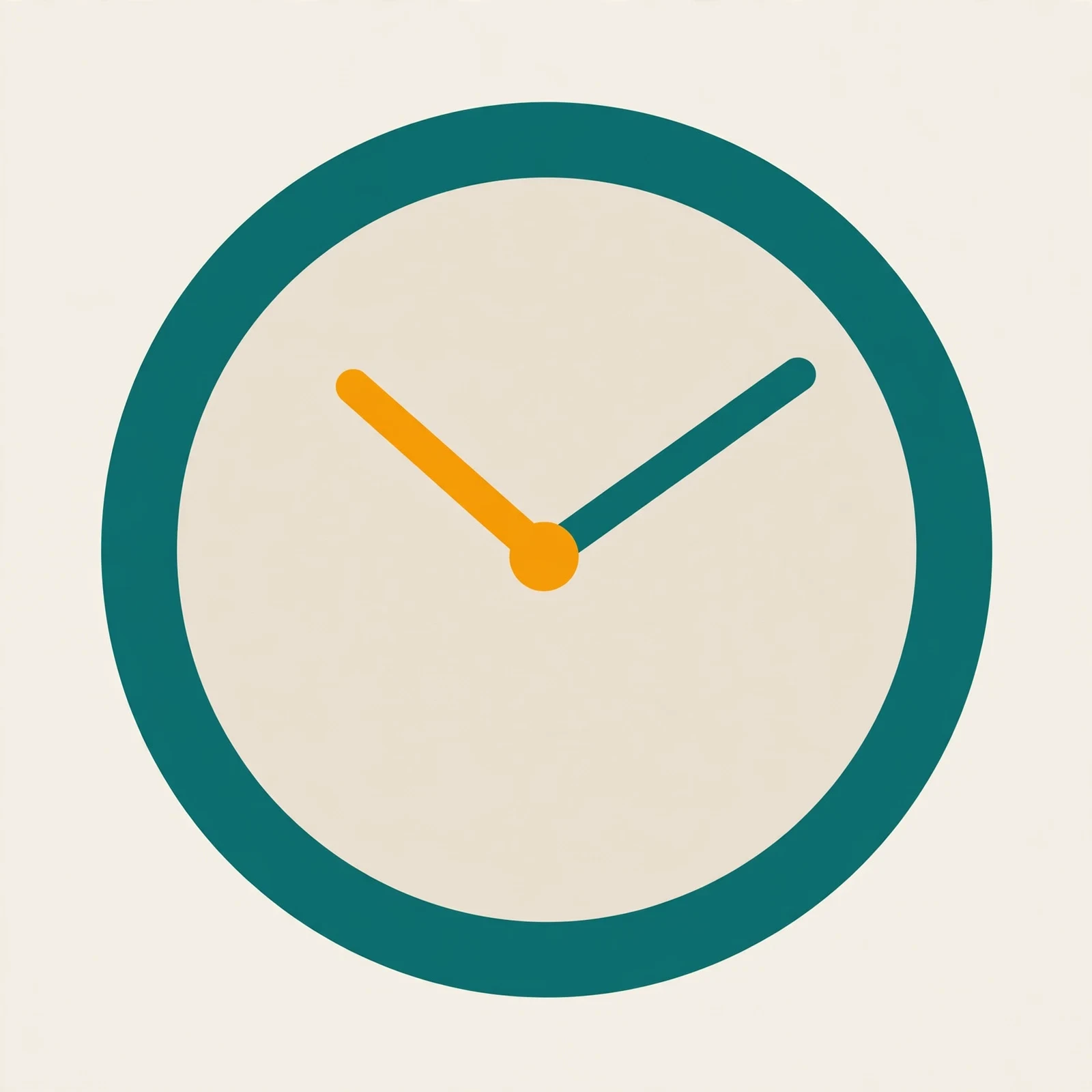
es la una

es la una
it's one o'clock
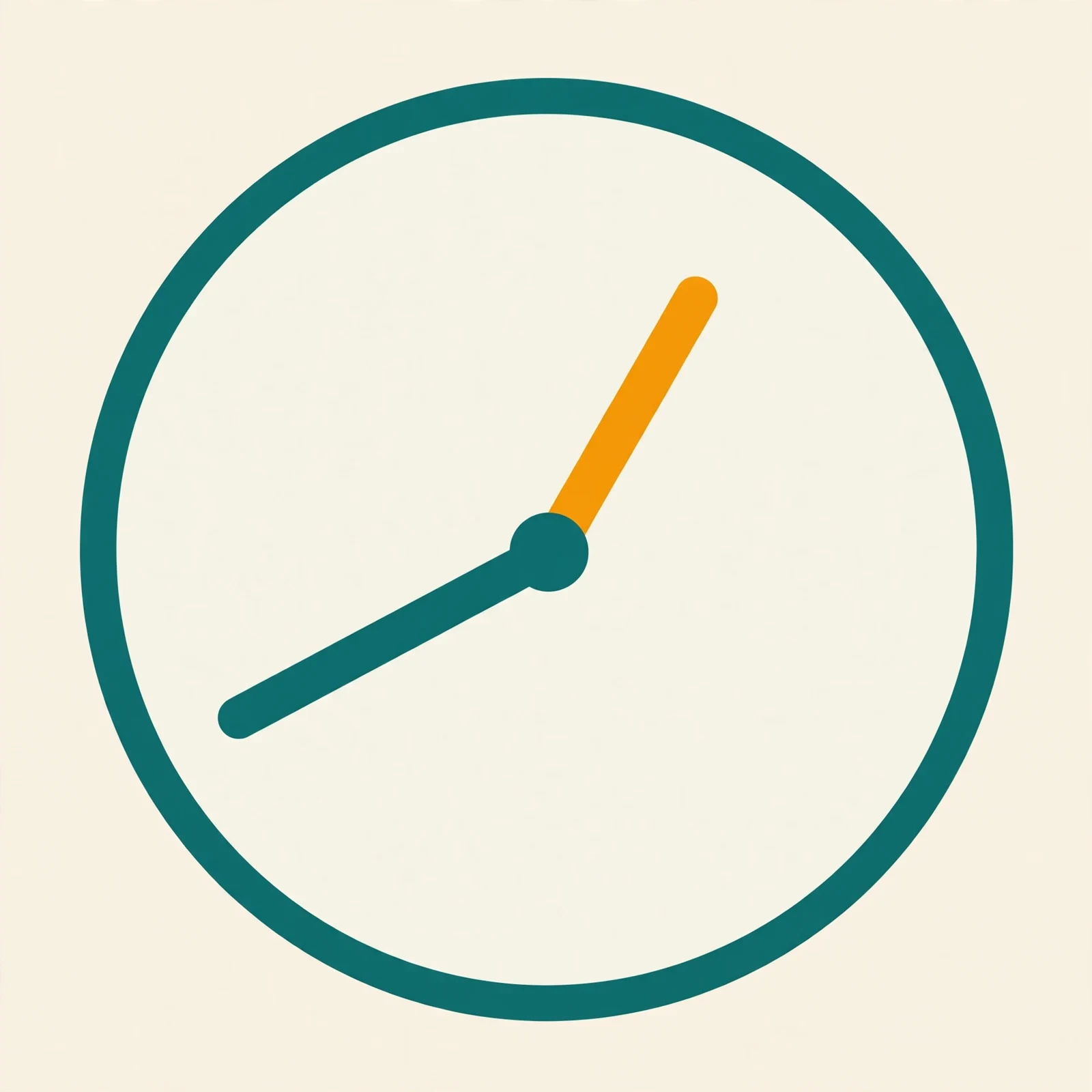
son las dos / tres…

son las dos / tres…
it's two / three o'clock…
y cuarto

y cuarto
quarter past (:15)
y media

y media
half past (:30)
menos cuarto

menos cuarto
quarter to (:45)
de la mañana

de la mañana
in the morning
de la tarde

de la tarde
in the afternoon
de la noche

de la noche
in the evening / at night
el mediodía

el mediodía
midday
la medianoche

la medianoche
midnight
a las…

a las…
at… o'clock
levantarse → me levanto

levantarse → me levanto
to get up → I get up
despertarse → me despierto

despertarse → me despierto
to wake up → I wake up
ducharse → me ducho

ducharse → me ducho
to shower → I shower
vestirse → me visto

vestirse → me visto
to get dressed → I get dressed
acostarse → me acuesto

acostarse → me acuesto
to go to bed → I go to bed
desayunar

desayunar
to have breakfast
almorzar

almorzar
to have lunch
cenar

cenar
to have dinner
hay

hay
there is / there are
¿dónde está…?

¿dónde está…?
where is…?
está / están

está / están
is / are (located)

Every card has a picture and audio.

🖼️ Image credits
  • lunes () — AI-generated in workspace: Original AI-generated illustration created in this workspace; no third-party assets used.
  • martes () — AI-generated in workspace: Original AI-generated illustration created in this workspace; no third-party assets used.
  • miércoles () — AI-generated in workspace: Original AI-generated illustration created in this workspace; no third-party assets used.
  • jueves () — AI-generated in workspace: Original AI-generated illustration created in this workspace; no third-party assets used.
  • viernes () — AI-generated in workspace: Original AI-generated illustration created in this workspace; no third-party assets used.
  • sábado () — AI-generated in workspace: Original AI-generated illustration created in this workspace; no third-party assets used.
  • domingo () — AI-generated in workspace: Original AI-generated illustration created in this workspace; no third-party assets used.
  • enero () — AI-generated in workspace: Original AI-generated illustration created in this workspace; no third-party assets used.
  • febrero () — AI-generated in workspace: Original AI-generated illustration created in this workspace; no third-party assets used.
  • marzo () — AI-generated in workspace: Original AI-generated illustration created in this workspace; no third-party assets used.
  • abril () — AI-generated in workspace: Original AI-generated illustration created in this workspace; no third-party assets used.
  • mayo () — AI-generated in workspace: Original AI-generated illustration created in this workspace; no third-party assets used.
  • junio () — AI-generated in workspace: Original AI-generated illustration created in this workspace; no third-party assets used.
  • julio () — AI-generated in workspace: Original AI-generated illustration created in this workspace; no third-party assets used.
  • agosto () — AI-generated in workspace: Original AI-generated illustration created in this workspace; no third-party assets used.
  • septiembre () — AI-generated in workspace: Original AI-generated illustration created in this workspace; no third-party assets used.
  • octubre () — AI-generated in workspace: Original AI-generated illustration created in this workspace; no third-party assets used.
  • noviembre () — AI-generated in workspace: Original AI-generated illustration created in this workspace; no third-party assets used.
  • diciembre () — AI-generated in workspace: Original AI-generated illustration created in this workspace; no third-party assets used.
  • la primavera () — AI-generated in workspace: Original AI-generated illustration created in this workspace; no third-party assets used.
  • el verano () — AI-generated in workspace: Original AI-generated illustration created in this workspace; no third-party assets used.
  • el otoño () — AI-generated in workspace: Original AI-generated illustration created in this workspace; no third-party assets used.
  • el invierno () — AI-generated in workspace: Original AI-generated illustration created in this workspace; no third-party assets used.
  • ¿qué hora es? () — AI-generated in workspace: Original AI-generated illustration created in this workspace; no third-party assets used.
  • es la una () — AI-generated in workspace: Original AI-generated illustration created in this workspace; no third-party assets used.
  • son las dos / tres… () — AI-generated in workspace: Original AI-generated illustration created in this workspace; no third-party assets used.
  • y cuarto () — AI-generated in workspace: Original AI-generated illustration created in this workspace; no third-party assets used.
  • y media () — AI-generated in workspace: Original AI-generated illustration created in this workspace; no third-party assets used.
  • menos cuarto () — AI-generated in workspace: Original AI-generated illustration created in this workspace; no third-party assets used.
  • de la mañana () — AI-generated in workspace: Original AI-generated illustration created in this workspace; no third-party assets used.
  • de la tarde () — AI-generated in workspace: Original AI-generated illustration created in this workspace; no third-party assets used.
  • de la noche () — AI-generated in workspace: Original AI-generated illustration created in this workspace; no third-party assets used.
  • el mediodía () — AI-generated in workspace: Original AI-generated illustration created in this workspace; no third-party assets used.
  • la medianoche () — AI-generated in workspace: Original AI-generated illustration created in this workspace; no third-party assets used.
  • a las… () — AI-generated in workspace: Original AI-generated illustration created in this workspace; no third-party assets used.
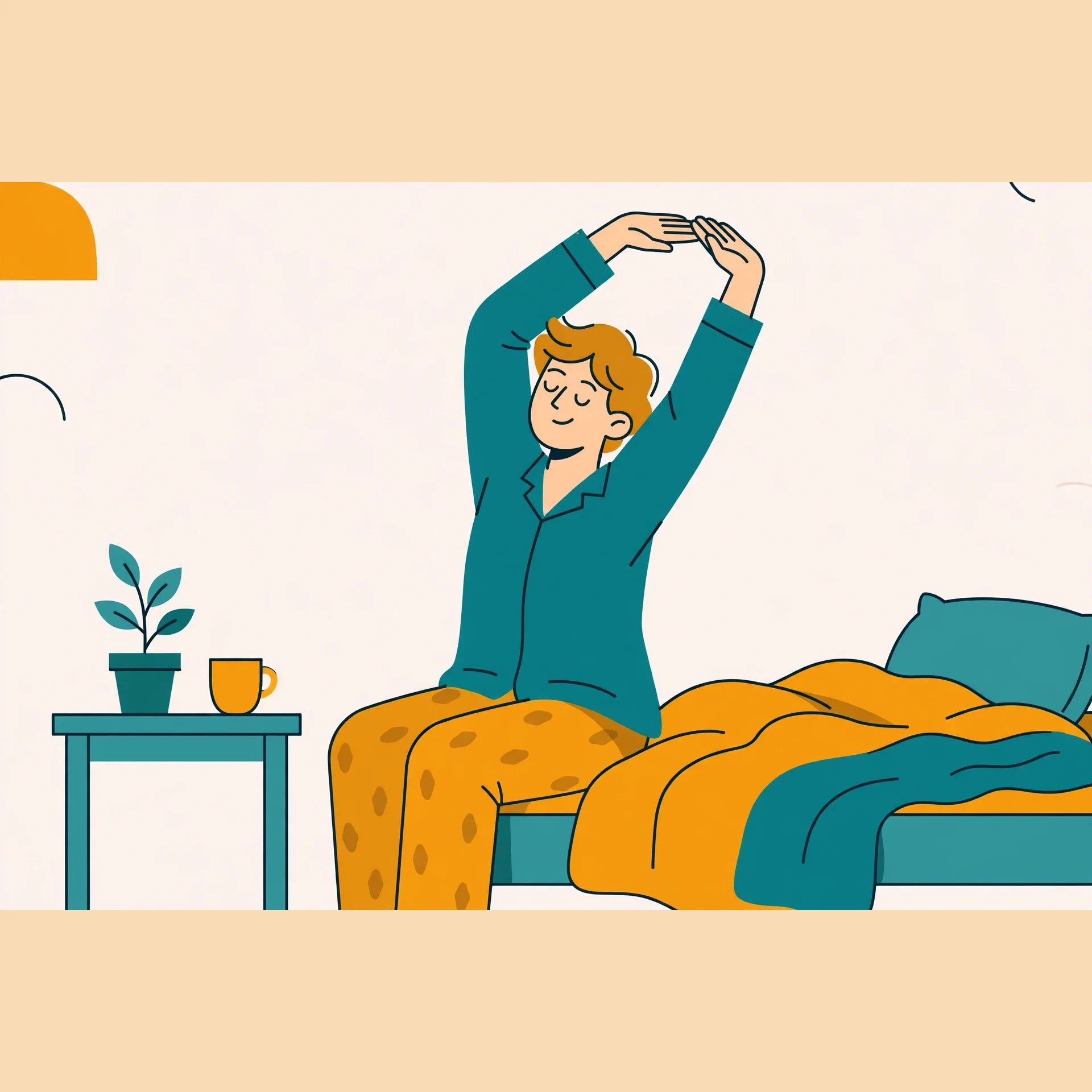
  • levantarse → me levanto () — AI-generated in workspace: Original AI-generated illustration created in this workspace; no third-party assets used.
  • despertarse → me despierto () — AI-generated in workspace: Original AI-generated illustration created in this workspace; no third-party assets used.
  • ducharse → me ducho () — AI-generated in workspace: Original AI-generated illustration created in this workspace; no third-party assets used.
  • vestirse → me visto () — AI-generated in workspace: Original AI-generated illustration created in this workspace; no third-party assets used.
  • acostarse → me acuesto () — AI-generated in workspace: Original AI-generated illustration created in this workspace; no third-party assets used.
  • desayunar () — AI-generated in workspace: Original AI-generated illustration created in this workspace; no third-party assets used.
  • almorzar () — AI-generated in workspace: Original AI-generated illustration created in this workspace; no third-party assets used.
  • cenar () — AI-generated in workspace: Original AI-generated illustration created in this workspace; no third-party assets used.
  • hay () — AI-generated in workspace: Original AI-generated illustration created in this workspace; no third-party assets used.
  • ¿dónde está…? () — AI-generated in workspace: Original AI-generated illustration created in this workspace; no third-party assets used.
  • está / están () — AI-generated in workspace: Original AI-generated illustration created in this workspace; no third-party assets used.

📖 Grammar

Telling time

Es la una · Son las dos/tres… + y cuarto / y media / menos cuarto

Use Es la una for 1 o'clock and Son las… for all other hours. Add y cuarto (:15), y media (:30), menos cuarto (:45). Ask with ¿Qué hora es?

Son las tres y cuarto.
It's quarter past three.
¿Qué hora es? — Son las nueve de la mañana.
What time is it? — It's 9 in the morning.
Reflexive verbs for routines

me levanto · te levantas · se levanta / me acuesto · te acuestas · se acuesta

When the action reflects back on the subject, put me/te/se directly before the conjugated verb: Me levanto a las seis. Se acuesta a las once. acostarse changes o→ue (acuesto/acuesta).

Me levanto a las seis.
I get up at six.
Se acuesta a las once.
She goes to bed at eleven.
📖 Hay and está/están

hay = there is/are (existence) · está/están = where it is (location)

Hay states existence and never changes: Hay una farmacia cerca. Está/están give a specific location and agree with the subject: ¿Dónde está la farmacia? — Está al lado del banco.

Hay una farmacia cerca.
There's a pharmacy nearby.
¿Dónde está la farmacia? — Está al lado del banco.
Where's the pharmacy? — It's next to the bank.

🧩 Patterns

🧩 ¿Qué hora es? — Son las tres y media.
¿Qué hora es? — Son las tres y media.
What time is it? — It's half past three.
🧩 Me levanto a las seis y me acuesto a las once.
Me levanto a las seis y me acuesto a las once.
I get up at six and go to bed at eleven.
🧩 ¿Hay un banco cerca?
¿Hay un banco cerca?
Is there a bank nearby?
🧩 ¿Dónde está la estación? — Está enfrente del hotel.
¿Dónde está la estación? — Está enfrente del hotel.
Where's the station? — It's opposite the hotel.

💬 Dialogue

Asking the time and the way to school (A = Selena, B = Lucía)

A
Perdón, ¿qué hora es?
Excuse me, what time is it?
B
Son las ocho menos cuarto.
It's 7:45 (quarter to eight).
A
¡Ay! Tengo clase a las ocho. ¿Dónde está la escuela?
Oh! I have class at eight. Where is the school?
B
Está al lado de la estación. ¿Hay una estación cerca de aquí?
It's next to the station. Is there a station near here?
A
Sí, hay una estación al final de la calle.
Yes, there's a station at the end of the street.
B
Perfecto. ¿A qué hora te levantas normalmente?
Great. What time do you usually get up?
A
Me levanto a las siete, me ducho y desayuno. ¿Y tú?
I get up at seven, shower and have breakfast. And you?
B
Yo me levanto a las seis y media. ¡Buena suerte en clase!
I get up at half past six. Good luck in class!

🎧 Listening

Listen and write time 1 (digits, e.g. 7:15).
Listen and write time 2 (digits).
Listen and write time 3 (digits).
Listen and write time 4 (digits).

📖 Answer key

1. 7:15
2. 1:30
3. 8:45
4. 12:00

Four times read in the transcript (the hub leaves lq empty); answers checked against the key.

📖 Reading

Soy Ana. Me levanto a las seis de la mañana. Me ducho, me visto y desayuno a las siete. Trabajo de ocho a tres. Almuerzo a las doce y media en un restaurante cerca del trabajo. Por la tarde estudio español. Ceno a las ocho y me acuesto a las diez y media. Los sábados no trabajo. Hay un mercado muy bueno al lado de mi casa.
1. What time does Ana get up?
2. When does she have lunch, and where?
3. What does she do in the afternoon?
4. What time does she go to bed?
5. What is there next to her house?

📖 Answer key

Ana's daily schedule.

🎬 Movie line

Siempre estamos solas
We are always alone

🎞️ Roma (2018) — Alfonso Cuarón — Sofía speaking to Cleo

A sober line to encourage a close friend in a hard moment: we have to stand on our own.

📝 Words in the line

  • siempre — always
  • estar (estamos) — to be (we are)
  • solas — alone (feminine plural)

⚡ Quick cards

¿Qué hora es? — Son las tres y media.
What time is it? — It's half past three.
Me levanto a las seis.
I get up at six.
¿Hay un banco cerca?
Is there a bank nearby?
La estación está enfrente del hotel.
The station is opposite the hotel.

📝 Lesson-end quiz (8 questions)

✅ Correct: 0/8Done: 0/8
What time is “Son las tres y cuarto”?

💡 Correct answer: 3:15. Y cuarto adds a quarter hour: three fifteen.
How do you say 1 o'clock?

💡 Correct answer: Es la una. One o’clock is singular, so it takes es, not son.
What does “menos cuarto” mean?

💡 Correct answer: quarter to. Son las ocho menos cuarto = 7:45.
Conjugate: yo (levantarse) → ?

💡 Correct answer: me levanto. Reflexive yo form: me goes before the verb.
Fill in: There is a pharmacy nearby.

💡 Correct answer: Hay. Hay says that something exists: Hay una farmacia cerca.
Which day is “miércoles”?

💡 Correct answer: Wednesday.
What does “a las ocho” mean?

💡 Correct answer: at eight o’clock. A + la/las + hour means at that time.
Conjugate: ella (acostarse) → ?

💡 Correct answer: se acuesta. Ella takes se, and acostarse changes o→ue.

📖 Answer key

  1. D — Correct answer: 3:15. Y cuarto adds a quarter hour: three fifteen.
  2. B — Correct answer: Es la una. One o’clock is singular, so it takes es, not son.
  3. C — Correct answer: quarter to. Son las ocho menos cuarto = 7:45.
  4. A — Correct answer: me levanto. Reflexive yo form: me goes before the verb.
  5. A — Correct answer: Hay. Hay says that something exists: Hay una farmacia cerca.
  6. C — Correct answer: Wednesday.
  7. B — Correct answer: at eight o’clock. A + la/las + hour means at that time.
  8. D — Correct answer: se acuesta. Ella takes se, and acostarse changes o→ue.

🏠 Homework

Match the words

★ Easy

1. lunes
2. enero
3. y media
4. menos cuarto
5. me levanto
6. hay
7. el verano
8. domingo
  • A. half past (30 minutes)
  • B. quarter to
  • C. I wake up
  • D. there is (existence)
  • E. summer
  • F. Sunday
  • G. Monday
  • H. January

📖 Answer key

  1. 1. lunes → G
  2. 2. enero → H
  3. 3. y media → A
  4. 4. menos cuarto → B (quarter to)
  5. 5. me levanto → C
  6. 6. hay → D
  7. 7. el verano → E (summer)
  8. 8. domingo → F

Fill in the blanks

★ Easy–Medium

Word bank: Es · Son · Me levanto · se acuesta · Hay · está

1. la una de la tarde. ( is (1 o'clock))
2. las ocho de la mañana. ( is (other hours))
3. a las seis y media. ( I get up)
4. Ella a las once. ( she goes to bed)
5. un banco cerca de aquí. ( there is)
6. La escuela al lado de la estación. ( is (located))

📖 Answer key

  1. 1. Es
  2. 2. Son
  3. 3. Me levanto
  4. 4. se acuesta
  5. 5. Hay
  6. 6. está

Multiple choice

★★ Medium

✅ Correct: 0/4Done: 0/4
The clock shows 7:45 pm. How do you say it?

💡 7:45 is quarter to eight in the evening.
Pick the correct schedule sentence.

💡 First-person reflexive: me levanto.
How do you answer yes?

💡 Answer an existence question with hay: Sí, hay uno…
Which day is spelled correctly in Spanish?

💡 Days and months are lowercase in Spanish.

📖 Answer key

  1. B — 7:45 is quarter to eight in the evening.
  2. A — First-person reflexive: me levanto.
  3. C — Answer an existence question with hay: Sí, hay uno…
  4. D — Days and months are lowercase in Spanish.

Role-play

★★ Medium

Ask a stranger the time, ask where the school is, then share what time you both get up.

A: Perdón, ¿qué hora es?
B: Son las ___ menos cuarto.
A: ¡Ay! Tengo clase a las ___. ¿Dónde está la ___?
B: Está al lado de ___. ¿Hay ___ cerca de aquí?
A: Sí, hay ___ al final de la calle.
B: ¿A qué hora te levantas normalmente?

🗣️ Model

A
Perdón, ¿qué hora es?
Excuse me, what time is it?
B
Son las ocho menos cuarto.
It's 7:45 (quarter to eight).
A
¡Ay! Tengo clase a las ocho. ¿Dónde está la escuela?
Oh! I have class at eight. Where is the school?
B
Está al lado de la estación. ¿Hay una estación cerca de aquí?
It's next to the station. Is there a station near here?
A
Sí, hay una estación al final de la calle.
Yes, there's a station at the end of the street.
B
Perfecto. ¿A qué hora te levantas normalmente?
Great. What time do you usually get up?
A
Me levanto a las siete, me ducho y desayuno. ¿Y tú?
I get up at seven, shower and have breakfast. And you?
B
Yo me levanto a las seis y media. ¡Buena suerte en clase!
I get up at half past six. Good luck in class!

Free writing

★★★ Challenge

Write your daily schedule with 6 time points (write the times in words: a las seis y media…).
Write 4 sentences with hay and está/están about your neighborhood (What is there? Where is it?).
Me levanto a las seis y media. Me ducho, me visto y desayuno a las siete y cuarto. Trabajo de ocho a tres y almuerzo a las doce y media en un restaurante. Por la noche estudio español, ceno a las ocho y me acuesto a las diez y media.
I get up at half past six. I shower, get dressed and have breakfast at quarter past seven. I work from eight to three and have lunch at half past twelve at a restaurant. In the evening I study Spanish, have dinner at eight and go to bed at half past ten.

Extra practice

Extra

✍️ Write your Monday schedule (6 time points, with reflexives + times).
🎧 Listen to all 3 audio files of this lesson; shadow the time track twice.
🗣️ Voice note: narrate "my day" in 45 seconds with at least 3 time points.

📚 Cumulative Review

✅ Correct: 0/12Done: 0/12
What time is “Son las diez y media”?

💡 Correct answer: 10:30. Y media adds half an hour: ten thirty.
Conjugate: tú (comer) → ?

💡 Correct answer: comes.
Which month is “enero”?

💡 Correct answer: January.
Fill in: The bathroom is at the end of the hallway.

💡 Correct answer: está. Location uses estar: El baño está al final del pasillo.
Conjugate: yo (ducharse) → ?

💡 Correct answer: me ducho.
Which season is “el invierno”?

💡 Correct answer: winter.
Conjugate: ellos (vivir) → ?

💡 Correct answer: viven.
Which time takes “de la mañana”?

💡 Correct answer: in the morning. De la mañana goes with morning hours.
Fill in: How many banks are nearby?

💡 Correct answer: Cuántos. Bancos is masculine plural, so cuánto becomes cuántos.
Conjugate: nosotros (desayunar) → ?

💡 Correct answer: desayunamos.
Which day is “sábado”?

💡 Correct answer: Saturday.
Which sentence is correct?

💡 Correct answer: Me acuesto a las once. The reflexive pronoun me goes before the conjugated verb.

📖 Answer key

  1. C — Correct answer: 10:30. Y media adds half an hour: ten thirty.
  2. D — Correct answer: comes.
  3. A — Correct answer: January.
  4. B — Correct answer: está. Location uses estar: El baño está al final del pasillo.
  5. C — Correct answer: me ducho.
  6. D — Correct answer: winter.
  7. A — Correct answer: viven.
  8. B — Correct answer: in the morning. De la mañana goes with morning hours.
  9. C — Correct answer: Cuántos. Bancos is masculine plural, so cuánto becomes cuántos.
  10. D — Correct answer: desayunamos.
  11. A — Correct answer: Saturday.
  12. B — Correct answer: Me acuesto a las once. The reflexive pronoun me goes before the conjugated verb.

⚡ Quick Check

1. What time is “Son las tres y cuarto”?
2. How do you say 1 o'clock?
3. Conjugate: yo (levantarse) → ?
4. Fill in: ___ una farmacia cerca.
5. What day of the week is “miércoles”?

📖 Answer key

  1. 1. 3:15
  2. 2. Es la una.
  3. 3. me levanto
  4. 4. Hay
  5. 5. Wednesday

🧪 Chapter checks

Chapter 1 — Meeting people, numbers, identity and routines (Lessons 1–5)

Mid-chapter quiz

Chapter test

✅ Correct: 0/20Done: 0/20
How do you answer “mucho gusto”?

💡 Reply with Igualmente.
How do you say 85?

💡 85 = ochenta y cinco. · 85 = ochenta y cinco.
What does “¿cuánto/a?” ask about?

💡 cuánto/a asks about amount or price.
How do you read @?

💡 @ @ is read arroba.
What gender is “la foto”?

💡 la foto is feminine despite ending in -o.
Which syllable is stressed in “casa” by rule?

💡 Vowel-final words stress the second-to-last syllable.
What is the letter H called?

💡 H is called hache.
The dot is read as?

💡 The dot in an email is punto.
I am a student.

💡 The yo form of ser is soy.
The table is green.

💡 verde does not change for gender.
Where is the station?

💡 Location questions use Dónde.
You live in California.

💡 The tú form of vivir ends in -es: vives.
Pick the correct negative.

💡 no goes before the verb.
What time is “Son las ocho menos cuarto”?

💡 menos cuarto = quarter to: 7:45.
She goes to bed at eleven.

💡 Third-person reflexive: se acuesta.
There is a school near my house.

💡 Existence uses Hay.
When does the speaker have breakfast?

💡 desayuno a las siete = breakfast at seven.
What does the answer give?

💡 Está en el centro gives a location.
What time is that?

💡 y cuarto = quarter past: 7:15.
What color is her hair?

💡 pelo negro = black hair.

📖 Answer key

  1. C — Reply with Igualmente.
  2. D — 85 = ochenta y cinco. · 85 = ochenta y cinco.
  3. A — cuánto/a asks about amount or price.
  4. B — @ @ is read arroba.
  5. D — la foto is feminine despite ending in -o.
  6. B — Vowel-final words stress the second-to-last syllable.
  7. A — H is called hache.
  8. C — The dot in an email is punto.
  9. A — The yo form of ser is soy.
  10. B — verde does not change for gender.
  11. C — Location questions use Dónde.
  12. D — The tú form of vivir ends in -es: vives.
  13. A — no goes before the verb.
  14. B — menos cuarto = quarter to: 7:45.
  15. C — Third-person reflexive: se acuesta.
  16. D — Existence uses Hay.
  17. B — desayuno a las siete = breakfast at seven.
  18. C — Está en el centro gives a location.
  19. A — y cuarto = quarter past: 7:15.
  20. D — pelo negro = black hair.

🧩 Practice Bank

Extra practice bank for this lesson: multiple choice, listening, matching, fill-in, sentence building, dialogue, speaking and writing. Tap 🔊 to listen with this lesson's own audio.

Audio in this lesson: the lesson dialogue (es5-dialogue.mp3) and short conversation clips. The listening questions use the dialogue clip, with new questions that are not on the lesson page.

1. Multiple choice

★ Easy → ★★★ Challenge

✅ Correct: 0/8
Done: 0/8
Question 1: What time is 'Son las cinco menos cuarto'?


💡 'Menos cuarto' means quarter to the next hour: Son las cinco menos cuarto is quarter to five, 4:45.
Question 2: Choose the correct form: 'Tú ___ a las siete.' (ducharse = to shower)


💡 Ducharse is reflexive. For tú, use te + the -as ending: te duchas. Me ducho goes with yo, and se ducha with él/ella.
Question 3: Which syllable is stressed in 'teléfono'?


💡 A written accent shows the stressed syllable: te-LÉ-fo-no. The accent overrides the normal stress rules.
Question 4: In the word 'jueves', how is 'j' pronounced?


💡 In Spanish, 'j' is a strong 'h' sound from the back of the throat, as in jueves. The silent letter is h, and 'll' gives the 'y' sound.
Question 5: What does 'el otoño' mean?


💡 'El otoño' means autumn. Compare: la primavera = spring, el verano = summer, el invierno = winter.
Question 6: Choose the correct sentence: 'Los coches ___ en el centro.'


💡 For location with a plural subject, use están: Los coches están en el centro. Está is singular, and es/hay cannot give the location here.
Question 7: The clock shows 1:30 in the afternoon. How do you say it?


💡 For 1 o'clock, use Es la una, and add y media for half past and de la tarde for the afternoon: Es la una y media de la tarde. Son las... is for two o'clock and later.
Question 8: Which sentence correctly says 'I get up at six'?


💡 With reflexive verbs, me/te/se goes directly before the conjugated verb: Me levanto a las seis.

📖 Answer key

  1. Question 1: B — 4:45
  2. Question 2: D — te duchas
  3. Question 3: A — te-LÉ-fo-no
  4. Question 4: C — A strong 'h' sound from the back of the throat
  5. Question 5: C — autumn
  6. Question 6: A — están
  7. Question 7: D — Es la una y media de la tarde
  8. Question 8: B — Me levanto a las seis

2. Listen and choose · Escuchar

★ Easy

✅ Correct: 0/3
Done: 0/3
Listen to the dialogue. At what time does Speaker A have class?


💡 Speaker A says: 'Tengo clase a las ocho' — I have class at eight. (The time at the start of the dialogue is quarter to eight.)
Listen to the dialogue. What does Speaker A do after getting up at seven?


💡 He says: 'Me levanto a las siete, me ducho y desayuno' — I get up at seven, I shower and have breakfast.
Listen to the dialogue. According to Speaker A, where is the station?


💡 Speaker A says: 'hay una estación al final de la calle' — there is a station at the end of the street. (It is the school that is next to the station.)

📖 Answer key

  1. Question 1: C — At eight o'clock
  2. Question 2: A — He showers and has breakfast
  3. Question 3: B — At the end of the street

3. Match the Spanish words to the English meanings

★ Easy

Spanish English (choose a letter)
1. martes
2. junio
3. la primavera
4. el mediodía
5. me acuesto
6. jueves
  • A. June
  • B. midday
  • C. Tuesday
  • D. I go to bed
  • E. Thursday
  • F. spring


📖 Answer key

  1. 1. martes → C (Tuesday)
  2. 2. junio → A (June)
  3. 3. la primavera → F (spring)
  4. 4. el mediodía → B (midday)
  5. 5. me acuesto → D (I go to bed)
  6. 6. jueves → E (Thursday)

4. Fill in the blanks · Completa los huecos

★★ Medium

Word bank: te levantas · se ducha · almuerzo · Hay · están · ceno

1. ¿A qué hora ? — Me levanto a las siete. (you get up — reflexive, tú form)
2. Mi amigo a las siete. (he showers — use se + ducharse, él form)
3. Yo a las doce y media. (I have lunch — almorzar, yo form)
4. una estación cerca. (there is — hay never changes)
5. Los libros en la mesa. (they are (located) — plural of está)


📖 Answer key

  1. 1. ¿A qué horate levantas? — Me levanto a las siete.
  2. 2. Mi amigose duchaa las siete.
  3. 3. Yoalmuerzoa las doce y media.
  4. 4. Hayuna estación cerca.
  5. 5. Los librosestánen la mesa.

5. Build a sentence · Forma la frase

★★ Medium

Type the words in the correct order to make the sentence.

1. Me / acuesto / a las / once / de la noche (I go to bed at eleven at night)
2. Ella / se levanta / a las / siete / y cuarto (she gets up at quarter past seven)


📖 Answer key

  1. 1. Me acuesto a las once de la noche
  2. 2. Ella se levanta a las siete y cuarto

6. Complete the dialogue

★★ Medium

🎬 Outside school in the morning, A is looking for a library.

A
Buenos días. ¿Hay una biblioteca cerca?
B

(say yes, there is a library next to the school — use hay)

A
Gracias. ¿Y la escuela está cerca?

🎬 Two friends are talking about their routines on Sundays.

A
¿A qué hora te acuestas los domingos?
B

(say you go to bed at ten at night — use me acuesto)

A
Yo me acuesto a las once.


📖 Answer key

  1. 1. Buenos días. ¿Hay una biblioteca cerca? / 【Sí, hay una biblioteca al lado de la escuela.】 / Gracias. ¿Y la escuela está cerca?
  2. 2. ¿A qué hora te acuestas los domingos? / 【Me acuesto a las diez de la noche.】 / Yo me acuesto a las once.

7. Say it out loud · Habla en voz alta

★★ Medium

🗣️ 1. Ask someone what time it is, then say the time is quarter to eight. Use the two model lines.

🗣️ Model

Perdón, ¿qué hora es?
Excuse me, what time is it?
Son las ocho menos cuarto.
It's quarter to eight.
🗣️ 2. Talk about your morning: say when you get up, shower and have breakfast, then add when you get dressed.

🗣️ Model

Me levanto a las siete, me ducho y desayuno. ¿Y tú?
I get up at seven, I shower and have breakfast. And you?
Me visto a las siete y cuarto.
I get dressed at quarter past seven.

8. Free writing · Escritura libre

★★★ Challenge

✍️ Write 4 sentences about your day and your neighborhood: when you get up, when you have lunch, when you go to bed, and one thing there is near your house (use hay) and where it is (use está).

📄 Sample

Me levanto a las siete de la mañana. Me ducho y desayuno a las siete y media. Trabajo de nueve a tres y almuerzo a las doce y media. Por la noche ceno a las ocho y me acuesto a las once.
I get up at seven in the morning. I shower and have breakfast at half past seven. I work from nine to three and have lunch at half past twelve. At night I have dinner at eight and go to bed at eleven.

Check yourself before you finish:

  • I wrote the times in words (a las seis y media, a las once)
  • I put me/se directly before each reflexive verb
  • I used hay to say what there is in my neighborhood
  • I used está or están to say where things are

Done with Lesson 5? Take this lesson's own test as well to lock it in:

Take the Lesson 5 test →