¿Qué haces?
🎯 Objectives
- Conjugate regular -ar, -er, -ir verbs in the present and talk about daily habits
- Negate with no, ask yes/no and Wh-questions with 8 question words and frequency adverbs
- Read a “my day” text and answer listening questions about habits
📚 Picture vocabulary (40 words)



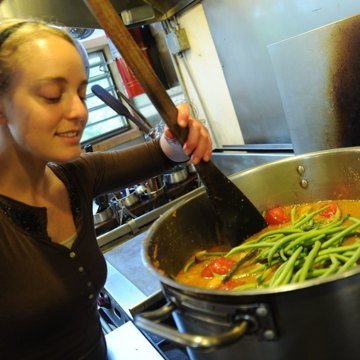





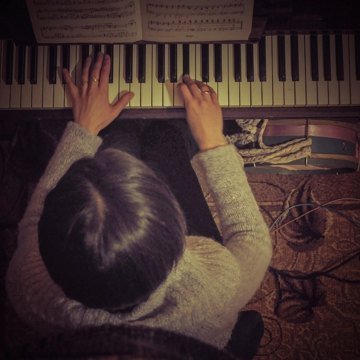

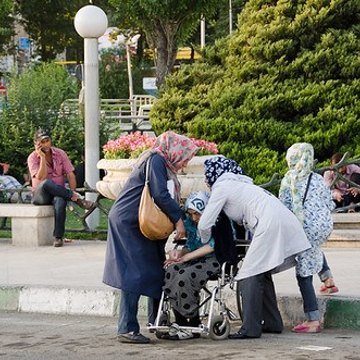






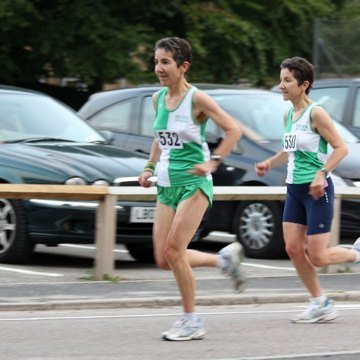


















Every card has a picture and audio.
🖼️ Image credits
- hablar () — AI-generated in workspace: Original AI-generated illustration created in this workspace; no third-party assets used.
- trabajar () — AI-generated in workspace: Original AI-generated illustration created in this workspace; no third-party assets used.
- estudiar () — AI-generated in workspace: Original AI-generated illustration created in this workspace; no third-party assets used.
- comprar () — AI-generated in workspace: Original AI-generated illustration created in this workspace; no third-party assets used.
- cocinar () — AI-generated in workspace: Original AI-generated illustration created in this workspace; no third-party assets used.
- bailar () — AI-generated in workspace: Original AI-generated illustration created in this workspace; no third-party assets used.
- cantar () — AI-generated in workspace: Original AI-generated illustration created in this workspace; no third-party assets used.
- mirar () — AI-generated in workspace: Original AI-generated illustration created in this workspace; no third-party assets used.
- escuchar () — AI-generated in workspace: Original AI-generated illustration created in this workspace; no third-party assets used.
- necesitar () — AI-generated in workspace: Original AI-generated illustration created in this workspace; no third-party assets used.
- practicar () — AI-generated in workspace: Original AI-generated illustration created in this workspace; no third-party assets used.
- visitar () — AI-generated in workspace: Original AI-generated illustration created in this workspace; no third-party assets used.
- ayudar () — AI-generated in workspace: Original AI-generated illustration created in this workspace; no third-party assets used.
- llamar () — AI-generated in workspace: Original AI-generated illustration created in this workspace; no third-party assets used.
- pagar () — AI-generated in workspace: Original AI-generated illustration created in this workspace; no third-party assets used.
- comer () — AI-generated in workspace: Original AI-generated illustration created in this workspace; no third-party assets used.
- beber () — AI-generated in workspace: Original AI-generated illustration created in this workspace; no third-party assets used.
- leer () — AI-generated in workspace: Original AI-generated illustration created in this workspace; no third-party assets used.
- aprender () — AI-generated in workspace: Original AI-generated illustration created in this workspace; no third-party assets used.
- correr () — AI-generated in workspace: Original AI-generated illustration created in this workspace; no third-party assets used.
- vivir () — AI-generated in workspace: Original AI-generated illustration created in this workspace; no third-party assets used.
- escribir () — AI-generated in workspace: Original AI-generated illustration created in this workspace; no third-party assets used.
- abrir () — AI-generated in workspace: Original AI-generated illustration created in this workspace; no third-party assets used.
- compartir () — AI-generated in workspace: Original AI-generated illustration created in this workspace; no third-party assets used.
- recibir () — AI-generated in workspace: Original AI-generated illustration created in this workspace; no third-party assets used.
- ¿qué? () — AI-generated in workspace: Original AI-generated illustration created in this workspace; no third-party assets used.
- ¿dónde? () — AI-generated in workspace: Original AI-generated illustration created in this workspace; no third-party assets used.
- ¿cuándo? () — AI-generated in workspace: Original AI-generated illustration created in this workspace; no third-party assets used.
- ¿cómo? () — AI-generated in workspace: Original AI-generated illustration created in this workspace; no third-party assets used.
- ¿cuánto/a? () — AI-generated in workspace: Original AI-generated illustration created in this workspace; no third-party assets used.
- ¿cuántos/as? () — AI-generated in workspace: Original AI-generated illustration created in this workspace; no third-party assets used.
- ¿quién? / ¿quiénes? () — AI-generated in workspace: Original AI-generated illustration created in this workspace; no third-party assets used.
- ¿por qué? () — AI-generated in workspace: Original AI-generated illustration created in this workspace; no third-party assets used.
- ¿cuál? / ¿cuáles? () — AI-generated in workspace: Original AI-generated illustration created in this workspace; no third-party assets used.
- siempre () — AI-generated in workspace: Original AI-generated illustration created in this workspace; no third-party assets used.
- todos los días () — AI-generated in workspace: Original AI-generated illustration created in this workspace; no third-party assets used.
- a menudo () — AI-generated in workspace: Original AI-generated illustration created in this workspace; no third-party assets used.
- a veces () — AI-generated in workspace: Original AI-generated illustration created in this workspace; no third-party assets used.
- nunca () — AI-generated in workspace: Original AI-generated illustration created in this workspace; no third-party assets used.
- de vez en cuando () — AI-generated in workspace: Original AI-generated illustration created in this workspace; no third-party assets used.
📖 Grammar
Regular -ar/-er/-ir conjugations
yo -o · tú -as/-es · él -a/-e · nosotros -amos/-emos/-imos · ellos -an/-en
Drop the infinitive ending and add the ending for each person: hablar → hablo/hablas/habla/hablamos/hablan; comer → como/comes/come/comemos/comen; vivir → vivo/vives/vive/vivimos/viven.
Negation with no
no + verb
Put no directly BEFORE the conjugated verb: No hablo francés. Never put no at the end of the sentence.
Yes/no questions
rising intonation at the end of the sentence + ¿…?
No word order change: just raise your voice at the end and write ¿ at the start and ? at the end: ¿Trabajas hoy?
Wh-questions
question word + conjugated verb
The question word comes first, followed by the conjugated verb: ¿Dónde vives? ¿Qué comes? All question words carry a written accent (qué, dónde, cuándo, cómo, quién, cuál).
🧩 Patterns
🧩 ¿Qué haces?
🧩 Trabajo en una escuela.
🧩 ¿Hablas inglés?
🧩 No hablo francés, pero hablo español.
🧩 ¿Dónde vives? — Vivo en California.
💬 Dialogue
Weekend habits (A = Miguel, B = Selena)
🎧 Listening
📖 Answer key
1. b (en Texas)
2. c (español)
3. a (en casa)
4. b (café)
5. b (los sábados)
Pablo's habits monologue; multiple-choice questions kept from the hub.
📖 Reading
📖 Answer key
Diego's daily routine text.
🎬 Movie line
🎞️ Amores perros (2000) — Alejandro González Iñárritu — A character asking a friend in an everyday scene
Ask what someone is doing right now, in class or on the phone: “What are you doing now?”
📝 Words in the line
- qué — what
- hacer (haces) — to do (you do)
- ahora — now
⚡ Quick cards
📝 Lesson-end quiz (8 questions)
📖 Answer key
- C — Correct answer: hablo. -ar verbs: the yo form ends in -o.
- A — Correct answer: come. -er verbs: the ella form ends in -e.
- D — Correct answer: vivimos. -ir verbs: the nosotros form ends in -imos.
- B — Correct answer: No hablo francés. No goes directly before the verb.
- B — Correct answer: Dónde. ¿Dónde vives? asks where; question words carry an accent.
- D — Correct answer: comen. -er verbs: the ellos form ends in -en.
- A — Correct answer: never.
- C — Correct answer: estudias. -ar verbs: the tú form ends in -as.
🏠 Homework
Match the words
★ Easy
| 1. hablar | |
| 2. comer | |
| 3. leer | |
| 4. siempre | |
| 5. nunca | |
| 6. ¿dónde? | |
| 7. trabajar | |
| 8. vivir |
- A. to read
- B. always
- C. never
- D. where?
- E. to work
- F. to live
- G. to speak
- H. to eat
📖 Answer key
- 1. hablar → G (to speak)
- 2. comer → H
- 3. leer → A
- 4. siempre → B
- 5. nunca → C
- 6. ¿dónde? → D
- 7. trabajar → E
- 8. vivir → F
Fill in the blanks
★ Easy–Medium
Word bank: hablo · comes · vive · estudiamos · No · ¿Dónde
📖 Answer key
- 1. hablo
- 2. comes
- 3. vive
- 4. estudiamos
- 5. No
- 6. ¿Dónde
Multiple choice
★★ Medium
📖 Answer key
- B — Answer a “what do you do” question with conjugated activities.
- A — no goes directly before the verb: No hablo inglés.
- C — ellos form of -ar ends in -an: trabajan.
- D — cuándo asks when, so answer Por la noche (in the evening).
Role-play
★★ Medium
Ask a friend about their weekend habits: what they do, what languages they speak, where they study, whether they ever work on Sundays.
🗣️ Model
Free writing
★★★ Challenge
Extra practice
Extra
📚 Cumulative Review
📖 Answer key
- B — Correct answer: leo.
- C — Correct answer: está. Location uses estar: La escuela está en el centro.
- D — Correct answer: trabaja.
- A — Correct answer: sometimes.
- B — Correct answer: Cuándo. ¿Cuándo estudias? asks when.
- C — Correct answer: los profesores. Nouns ending in a consonant add -es in the plural.
- D — Correct answer: escribes.
- A — Correct answer: Mexican (female).
- B — Correct answer: bebo. -er verbs: the yo form ends in -o.
- C — Correct answer: son. Mis amigos is plural, and a describing quality uses ser: son jóvenes.
- D — Correct answer: why?
- A — Correct answer: hablamos. -ar + nosotros → -amos.
⚡ Quick Check
📖 Answer key
- 1. hablo
- 2. come
- 3. No hablo francés.
- 4. never
- 5. Dónde
🧪 Chapter checks
Chapter 1 — Meeting people, numbers, identity and routines (Lessons 1–5)
Mid-chapter quiz
Chapter test
🧩 Practice Bank
Extra practice bank for this lesson: multiple choice, listening, matching, fill-in, sentence building, dialogue, speaking and writing. Tap 🔊 to listen with this lesson's own audio.
Audio in this lesson: the lesson dialogue (es4-dialogue.mp3) and short conversation clips. The listening questions use the dialogue clip, with new questions that are not on the lesson page.
1. Multiple choice
★ Easy → ★★★ Challenge
📖 Answer key
- Question 1: B — to listen to
- Question 2: D — viven
- Question 3: A — Like the 'y' in 'yes'
- Question 4: C — ¿Dónde vives?
- Question 5: C — No compro libros los domingos.
- Question 6: A — ¿Dónde estudias?
- Question 7: D — As a strongly trilled r
- Question 8: B — often
2. Listen and choose · Escuchar
★ Easy
📖 Answer key
- Question 1: C — At the library
- Question 2: A — English
- Question 3: B — Work
3. Match the Spanish words to the English meanings
★ Easy
| Spanish | English (choose a letter) |
|---|---|
| 1. cocinar | |
| 2. bailar | |
| 3. escribir | |
| 4. beber | |
| 5. ¿cuándo? | |
| 6. a menudo |
- A. to dance
- B. when?
- C. to cook
- D. often
- E. to write
- F. to drink
📖 Answer key
- 1. cocinar → C (to cook)
- 2. bailar → A (to dance)
- 3. escribir → E (to write)
- 4. beber → F (to drink)
- 5. ¿cuándo? → B (when?)
- 6. a menudo → D (often)
4. Fill in the blanks · Completa los huecos
★★ Medium
Word bank: habla · comemos · viven · compro · ¿Qué
📖 Answer key
- 1. Ellahablaespañol en la escuela.
- 2. Nosotroscomemosen casa los domingos.
- 3. Ellosvivenen California.
- 4. Yocomproun libro rojo.
- 5. ¿Quéestudias? — Estudio español.
5. Build a sentence · Forma la frase
★★ Medium
Type the words in the correct order to make the sentence.
📖 Answer key
- 1. Ella lee un libro los domingos
- 2. Yo compro un coche rojo
6. Complete the dialogue
★★ Medium
🎬 Two friends are talking about the weekend at school.
(say no, and say you work at a school on Saturdays)
🎬 Two friends are talking about Sunday lunch.
(say you eat at home every Sunday)
📖 Answer key
- 1. Buenas tardes. ¿Estudias los sábados? / 【No estudio los sábados. Trabajo en una escuela.】 / ¿Y qué haces los domingos?
- 2. ¿Dónde comes los domingos? / 【Como en casa todos los domingos.】 / Yo como en la escuela.
7. Say it out loud · Habla en voz alta
★★ Medium
🗣️ Model
🗣️ Model
8. Free writing · Escritura libre
★★★ Challenge
📄 Sample
Check yourself before you finish:
- I used a different regular verb (-ar, -er or -ir) in each sentence
- Each verb ending matches its subject (yo, ella, nosotros, ellos)
- I put 'no' directly before the verb in my negative sentence
- I used a frequency word: siempre, a veces, nunca or todos los días
Done with Lesson 4? Take this lesson's own test as well to lock it in: