¿Cuánto cuesta?
🎯 Objectives
- Name 25+ foods and drinks and use quantity words when shopping
- Use querer/necesitar/poder and ask/say prices up to 1,000,000
- Read a menu and understand market and restaurant dialogues
📚 Picture vocabulary (60 words)

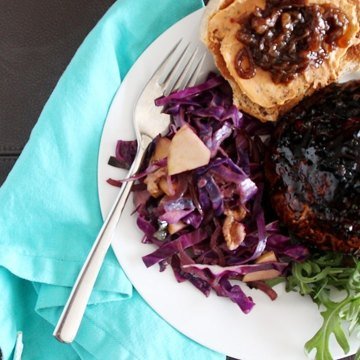

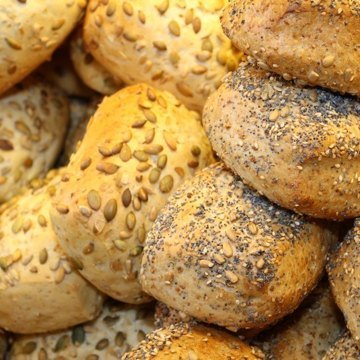

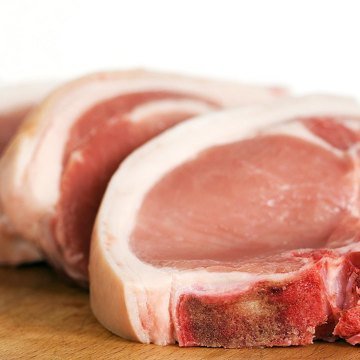


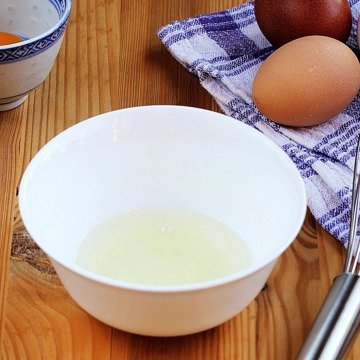
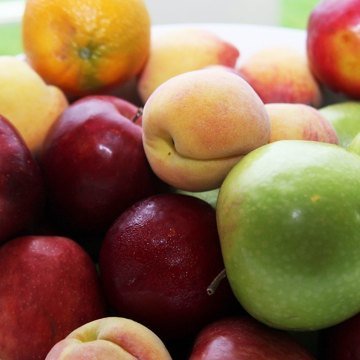

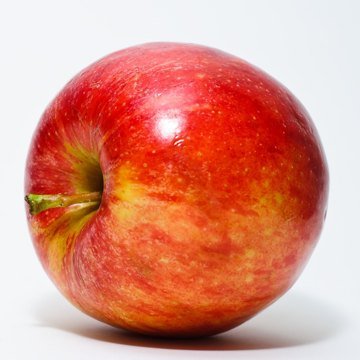
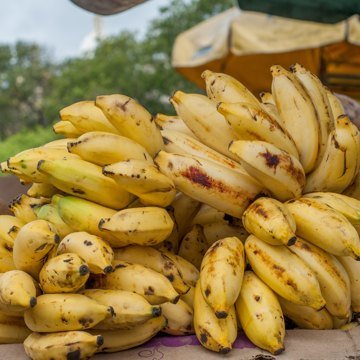
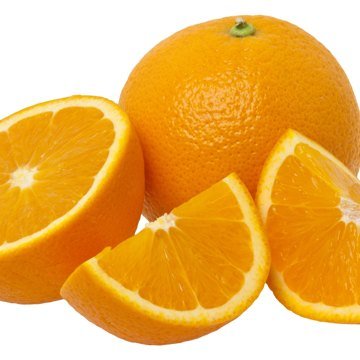
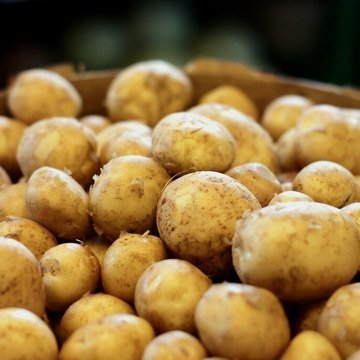


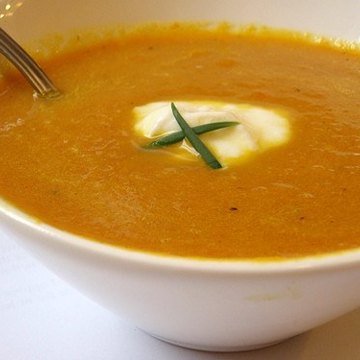



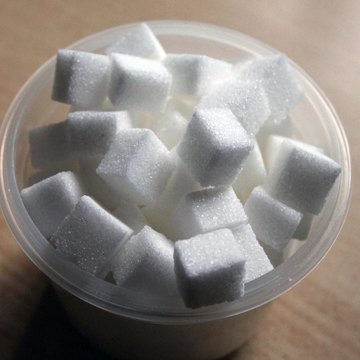

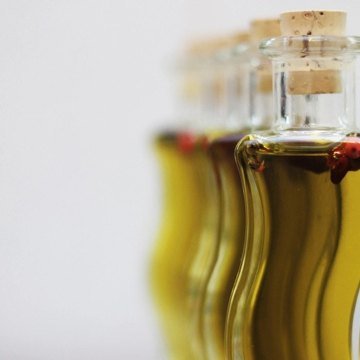

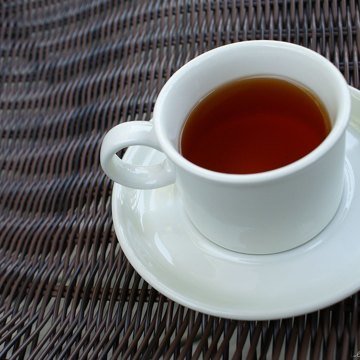



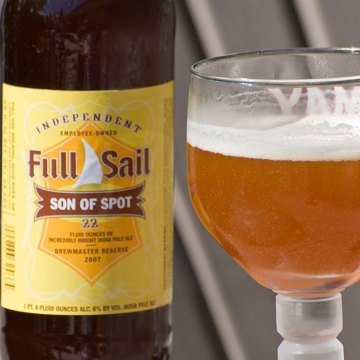
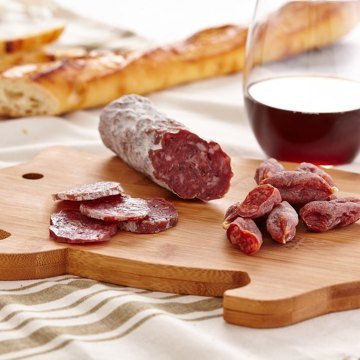


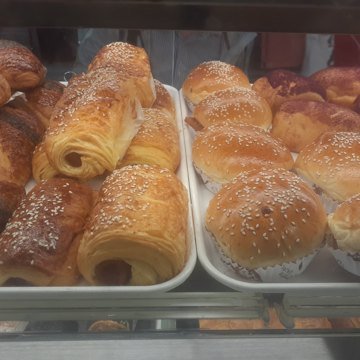

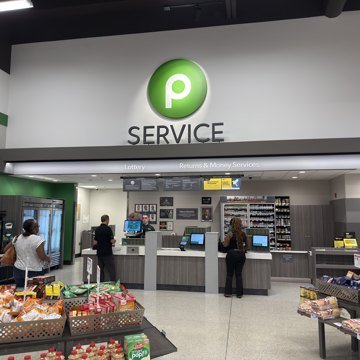





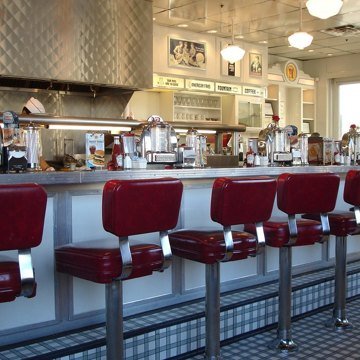


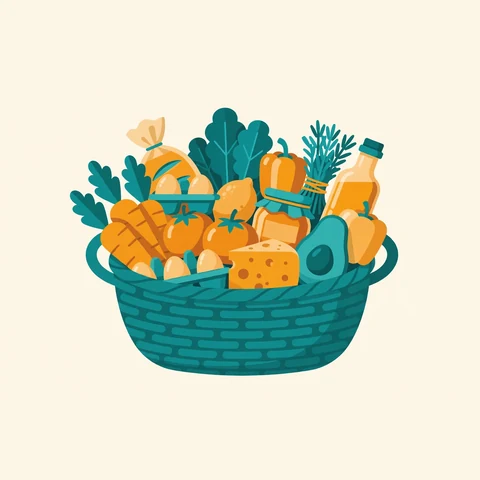


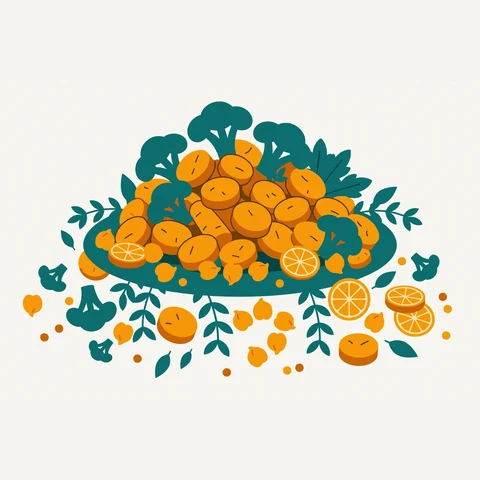

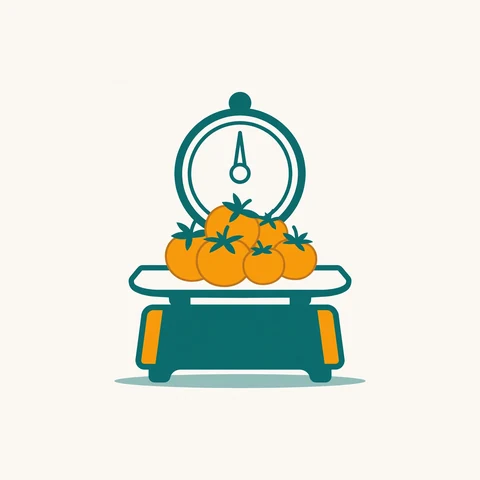



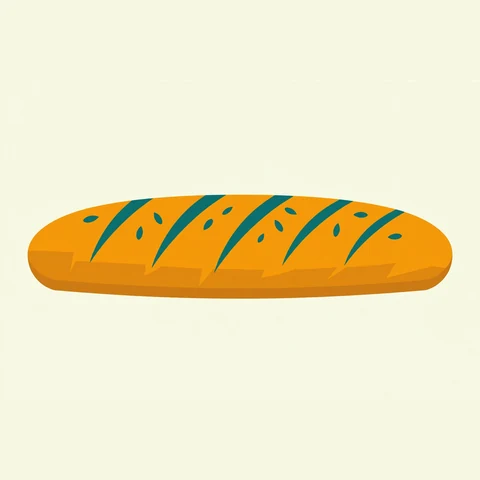
Every card has a picture and audio.
🖼️ Image credits
- el desayuno () — AI-generated in workspace: Original AI-generated illustration created in this workspace; no third-party assets used.
- la comida () — AI-generated in workspace: Original AI-generated illustration created in this workspace; no third-party assets used.
- la cena () — AI-generated in workspace: Original AI-generated illustration created in this workspace; no third-party assets used.
- el pan () — AI-generated in workspace: Original AI-generated illustration created in this workspace; no third-party assets used.
- el arroz () — AI-generated in workspace: Original AI-generated illustration created in this workspace; no third-party assets used.
- la carne () — AI-generated in workspace: Original AI-generated illustration created in this workspace; no third-party assets used.
- el pollo () — AI-generated in workspace: Original AI-generated illustration created in this workspace; no third-party assets used.
- el pescado () — AI-generated in workspace: Original AI-generated illustration created in this workspace; no third-party assets used.
- el huevo () — AI-generated in workspace: Original AI-generated illustration created in this workspace; no third-party assets used.
- la fruta () — AI-generated in workspace: Original AI-generated illustration created in this workspace; no third-party assets used.
- la verdura () — AI-generated in workspace: Original AI-generated illustration created in this workspace; no third-party assets used.
- la manzana () — AI-generated in workspace: Original AI-generated illustration created in this workspace; no third-party assets used.
- el plátano () — AI-generated in workspace: Original AI-generated illustration created in this workspace; no third-party assets used.
- la naranja () — AI-generated in workspace: Original AI-generated illustration created in this workspace; no third-party assets used.
- la patata () — AI-generated in workspace: Original AI-generated illustration created in this workspace; no third-party assets used.
- el tomate () — AI-generated in workspace: Original AI-generated illustration created in this workspace; no third-party assets used.
- la ensalada () — AI-generated in workspace: Original AI-generated illustration created in this workspace; no third-party assets used.
- la sopa () — AI-generated in workspace: Original AI-generated illustration created in this workspace; no third-party assets used.
- el postre () — AI-generated in workspace: Original AI-generated illustration created in this workspace; no third-party assets used.
- el helado () — AI-generated in workspace: Original AI-generated illustration created in this workspace; no third-party assets used.
- el pastel () — AI-generated in workspace: Original AI-generated illustration created in this workspace; no third-party assets used.
- el queso () — AI-generated in workspace: Original AI-generated illustration created in this workspace; no third-party assets used.
- el azúcar () — AI-generated in workspace: Original AI-generated illustration created in this workspace; no third-party assets used.
- la sal () — AI-generated in workspace: Original AI-generated illustration created in this workspace; no third-party assets used.
- el aceite () — AI-generated in workspace: Original AI-generated illustration created in this workspace; no third-party assets used.
- el café () — AI-generated in workspace: Original AI-generated illustration created in this workspace; no third-party assets used.
- el té () — AI-generated in workspace: Original AI-generated illustration created in this workspace; no third-party assets used.
- la leche () — AI-generated in workspace: Original AI-generated illustration created in this workspace; no third-party assets used.
- el zumo () — AI-generated in workspace: Original AI-generated illustration created in this workspace; no third-party assets used.
- el agua () — AI-generated in workspace: Original AI-generated illustration created in this workspace; no third-party assets used.
- la cerveza () — AI-generated in workspace: Original AI-generated illustration created in this workspace; no third-party assets used.
- el vino () — AI-generated in workspace: Original AI-generated illustration created in this workspace; no third-party assets used.
- la tienda () — AI-generated in workspace: Original AI-generated illustration created in this workspace; no third-party assets used.
- el mercado () — AI-generated in workspace: Original AI-generated illustration created in this workspace; no third-party assets used.
- el supermercado () — AI-generated in workspace: Original AI-generated illustration created in this workspace; no third-party assets used.
- la panadería () — AI-generated in workspace: Original AI-generated illustration created in this workspace; no third-party assets used.
- la frutería () — AI-generated in workspace: Original AI-generated illustration created in this workspace; no third-party assets used.
- el cliente / la clienta () — AI-generated in workspace: Original AI-generated illustration created in this workspace; no third-party assets used.
- el dependiente / la dependienta () — AI-generated in workspace: Original AI-generated illustration created in this workspace; no third-party assets used.
- la caja () — AI-generated in workspace: Original AI-generated illustration created in this workspace; no third-party assets used.
- la bolsa () — AI-generated in workspace: Original AI-generated illustration created in this workspace; no third-party assets used.
- el precio () — AI-generated in workspace: Original AI-generated illustration created in this workspace; no third-party assets used.
- la oferta () — AI-generated in workspace: Original AI-generated illustration created in this workspace; no third-party assets used.
- el descuento () — AI-generated in workspace: Original AI-generated illustration created in this workspace; no third-party assets used.
- la carta () — AI-generated in workspace: Original AI-generated illustration created in this workspace; no third-party assets used.
- el menú del día () — AI-generated in workspace: Original AI-generated illustration created in this workspace; no third-party assets used.
- la cuenta () — AI-generated in workspace: Original AI-generated illustration created in this workspace; no third-party assets used.
- el camarero / la camarera () — AI-generated in workspace: Original AI-generated illustration created in this workspace; no third-party assets used.
- la propina () — AI-generated in workspace: Original AI-generated illustration created in this workspace; no third-party assets used.
- un poco de () — AI-generated in workspace: Original AI-generated illustration created in this workspace; no third-party assets used.
- mucho / mucha / muchos / muchas () — AI-generated in workspace: Original AI-generated illustration created in this workspace; no third-party assets used.
- poco / poca () — AI-generated in workspace: Original AI-generated illustration created in this workspace; no third-party assets used.
- bastante () — AI-generated in workspace: Original AI-generated illustration created in this workspace; no third-party assets used.
- demasiado / demasiada () — AI-generated in workspace: Original AI-generated illustration created in this workspace; no third-party assets used.
- un kilo de () — AI-generated in workspace: Original AI-generated illustration created in this workspace; no third-party assets used.
- medio kilo de () — AI-generated in workspace: Original AI-generated illustration created in this workspace; no third-party assets used.
- una botella de () — AI-generated in workspace: Original AI-generated illustration created in this workspace; no third-party assets used.
- un paquete de () — AI-generated in workspace: Original AI-generated illustration created in this workspace; no third-party assets used.
- una docena de () — AI-generated in workspace: Original AI-generated illustration created in this workspace; no third-party assets used.
- una barra de () — AI-generated in workspace: Original AI-generated illustration created in this workspace; no third-party assets used.
📖 Grammar
📖 QUERER — to want ·
yo quiero · tú quieres · él/ella quiere · nosotros queremos · ellos quieren
Querer changes e→ie except in nosotros. Necesitar is regular; poder (o→ue), learned in Lesson 7, asks whether someone can help or do something.
📖 Numbers 100 to 1,000,000 ·
cien · ciento uno · doscientos/as · mil · un millón de + noun
Exactly 100 is cien; above 100 use ciento. Hundreds 200–900 agree in gender (doscientos euros, doscientas personas); 500 is quinientos. Mil never changes; un millón takes de before a noun. Y joins only tens and units.
📖 Asking and saying prices ·
¿Cuánto cuesta + singular? · ¿Cuánto cuestan + plural?
Use cuesta with a singular subject and cuestan with a plural subject: ¿Cuánto cuesta el pan? / ¿Cuánto cuestan las manzanas?
📖 Quantifiers + de ·
un poco de · mucho/a/os/as · un kilo de · una botella de
Mucho agrees with the noun (mucha leche, muchos huevos). Measure words always take de: un kilo de manzanas, una botella de agua.
🧩 Patterns
🧩 ¿Qué van a tomar? — Para mí, una ensalada y un zumo.
🧩 La cuenta, por favor.
🧩 ¿Cuánto cuesta? — Cuesta tres euros.
🧩 Quiero un kilo de manzanas y medio kilo de tomates.
🧩 ¿Tienen pan fresco? — Sí, tenemos.
💬 Dialogue
Ordering at a restaurant for two (A = Camarero, B = Selena, C = Ana)
🎧 Listening
📖 Answer key
a kilo of apples, a dozen eggs, a loaf of bread)
2. Two euros (two euros)
3. Three euros (three euros)
4. Six euros (six euros)
The listening is a market dialogue (apples, eggs, bread and the total); the transcript is in the audio file.
📖 Reading
📖 Answer key
1. 12 euros (12 euro · 12 euros)
chicken with potatoes, fish with rice, or pasta with cheese)
a drink is included in the price)
two menus for 20 euros — you save 4 euros)
yes — fish is a second-course option and ice cream is a dessert option)
🎬 Movie line
🎞️ Como agua para chocolate (1992) — Alfonso Arau — The idiom tied to Tita, the main character
A playful way to say you're worked up or about to boil over: “Estoy como agua para chocolate!”
📝 Words in the line
- estar — to be (state)
- agua — water
- chocolate — chocolate
⚡ Quick cards
📝 Lesson-end quiz (8 questions)
📖 Answer key
- A — Correct answer: cuesta. El pan is singular, and costar changes o→ue: cuesta.
- C — Correct answer: cuestan. Las manzanas is plural, so costar takes cuestan.
- B — Correct answer: quinientos. 500 is quinientos, a single word.
- D — Correct answer: a dozen eggs (12).
- D — Correct answer: un. Café is masculine, so a coffee is un café.
- B — Correct answer: un millón de euros. Millón needs de before a noun.
- C — Correct answer: bill. “La cuenta, por favor.”
- A — Correct answer: un. Kilo is masculine: un kilo de patatas, and containers take de.
🏠 Homework
Match the words
★ Easy
| 1. el pan | |
| 2. la naranja | |
| 3. el aceite | |
| 4. la tienda | |
| 5. el precio | |
| 6. un poco de | |
| 7. mucho / mucha / muchos / muchas | |
| 8. un paquete de |
- A. cooking oil
- B. shop
- C. price
- D. a little
- E. a lot; much
- F. a packet
- G. bread
- H. orange
📖 Answer key
- 1. el pan → G (bread)
- 2. la naranja → H (orange)
- 3. el aceite → A
- 4. la tienda → B
- 5. el precio → C (price)
- 6. un poco de → D
- 7. mucho / mucha / muchos / muchas → E
- 8. un paquete de → F
Fill in the blanks
★ Easy–Medium
Word bank: quiero · cuesta · cuestan · un · una · necesito
📖 Answer key
- 1. quiero
- 2. cuesta
- 3. cuestan
- 4. un
- 5. una
- 6. necesito
Multiple choice
★★ Medium
📖 Answer key
- C — Quantity: medio kilo de + item.
- A — Plural subject takes cuestan.
- D — Asking for the bill: La cuenta, por favor.
- B — mil never changes: mil euros.
Role-play
★★ Medium
Role-play at a restaurant: greet, order for two people, ask the price of the set menu, ask for the bill — and check with the waiter if there's anything else.
🗣️ Model
Free writing
★★★ Challenge
Extra practice
Extra
📚 Cumulative Review
📖 Answer key
- B — Correct answer: gustan. Los huevos is plural, so gustar takes gustan.
- C — Correct answer: doscientos cincuenta. Hundreds join the tens directly, with no y: 250.
- D — Correct answer: juice.
- A — Correct answer: son. Las casas is plural, and a describing quality uses ser: son blancas.
- B — Correct answer: ciento uno. After 100, ciento keeps its full form: 101.
- C — Correct answer: half a kilo.
- D — Correct answer: Quiero. I would like is Quiero — the yo form of querer (e→ie).
- A — Correct answer: 7:45. menos cuarto = quarter to.
- B — Correct answer: bakery.
- C — Correct answer: mucha. Leche is feminine singular and uncountable, so it takes mucha.
- D — Correct answer: dos mil. Mil never changes: 2,000 is dos mil.
- A — Correct answer: cuesta.
⚡ Quick Check
📖 Answer key
- 1. ¿Cuánto cuesta el pan?
- 2. quinientos
- 3. un
- 4. The bill, please
- 5. una docena de
🧪 Chapter checks
Chapter 2 — Family, likes, food, home and plans (Lessons 6–10)
Mid-chapter quiz
Chapter test
📖 Answer key
- C — Correct answer: grandparents.
- A — Correct answer: teléfono.
- D — Correct answer: gustan. Novelas is plural, so gustar takes gustan: Me gustan las novelas.
- B — Correct answer: bill.
- C — Correct answer: estoy. Tired today is a temporary state, so it uses estar: Hoy estoy cansada.
- D — Correct answer: quiero.
- A — Correct answer: quinientos.
- B — Correct answer: Nuestra. Casa is feminine singular, so our is nuestra.
- D — Correct answer: cuestan.
- C — Correct answer: on Sundays.
🧩 Practice Bank
Extra practice bank for this lesson: multiple choice, listening, matching, fill-in, sentence building, dialogue, speaking and writing. Tap 🔊 to listen with this lesson's own audio.
Audio in this lesson: the lesson dialogue and short conversation clips.
1. Multiple choice
★ Easy → ★★★ Challenge
📖 Answer key
- Question 1: B — cuesta
- Question 2: D — seiscientos euros
- Question 3: A — muchos
- Question 4: C — a fruit shop
- Question 5: C — It is silent.
- Question 6: A — plátano
- Question 7: D — like the “y” in “yes”
- Question 8: B — Quiero una botella de agua, por favor.
2. Listen and choose · Escuchar
★ Easy
📖 Answer key
- Question 1: C — a soup and a fish
- Question 2: A — an orange juice
- Question 3: B — in the afternoon
3. Match the Spanish words to the English meanings
★ Easy
| Spanish | English (choose a letter) |
|---|---|
| 1. el pescado | |
| 2. la ensalada | |
| 3. el supermercado | |
| 4. la cuenta | |
| 5. el camarero | |
| 6. una barra de |
- A. the bill
- B. salad
- C. a loaf of
- D. fish
- E. waiter
- F. supermarket
📖 Answer key
- 1. el pescado → D (fish)
- 2. la ensalada → B (salad)
- 3. el supermercado → F (supermarket)
- 4. la cuenta → A (the bill)
- 5. el camarero → E (waiter)
- 6. una barra de → C (a loaf of)
4. Fill in the blanks · Completa los huecos
★★ Medium
Word bank: cuesta · cuestan · quiero · muchos · ocho · una
📖 Answer key
- 1. ¿Cuánto cuesta la sopa?
- 2. Los huevos cuestan cuatro euros.
- 3. Yo quiero un helado, por favor.
- 4. Hay muchos tomates en el mercado.
- 5. En total son ocho euros.
5. Build a sentence · Forma la frase
★★ Medium
Type the words in the correct order to make the sentence.
📖 Answer key
- 1. Quiero un kilo de manzanas y una barra de pan
- 2. ¿Cuánto cuestan los tomates?
6. Complete the dialogue
★★ Medium
🎬 You are in a restaurant and the waiter greets you.
(Order politely with “Para mí… por favor”: rice with chicken (un arroz con pollo) and a tea (un té).)
🎬 At the market, you ask the price of the apples.
(They cost THREE euros a kilo — answer with the plural form “cuestan … el kilo.”)
📖 Answer key
- 1. Buenas tardes. ¿Qué quiere? / 【Para mí, un arroz con pollo y un té, por favor.】
- 2. Perdón, ¿cuánto cuestan las manzanas? / 【Cuestan tres euros el kilo.】
7. Say it out loud · Habla en voz alta
★★ Medium
🗣️ Model
🗣️ Model
8. Free writing · Escritura libre
★★★ Challenge
📄 Sample
Check yourself before you finish:
- Use “quiero” + a measure phrase such as “un kilo de”
- Use “cuesta” for one item and “cuestan” for plural items
- Make the prices add up to your total
- Check masculine and feminine forms such as “un kilo” and “una botella”
Done with Lesson 8? Take this lesson's own test as well to lock it in: