Featured this week
Pick a post below and start learning.
Find a Language Exchange Partner
Where to look and what to say first.
WORKAnswer Work Phone Calls in Professional English
Sound calm and clear on every call.
ESPAÑOLSpanish Small Talk: 20 Friendly Phrases
Sound friendly, not robotic.
Tips, trends, and real talk about learning English, Chinese, Korean, Spanish, and Vietnamese — new posts every day.
-

A Spanish Morning Routine for Kids: Greetings, Weather and Getting Dressed
Turn your child’s morning into Spanish practice: greetings, weather, getting dressed and breakfast — seven easy phrases and a printable routine chart.
-
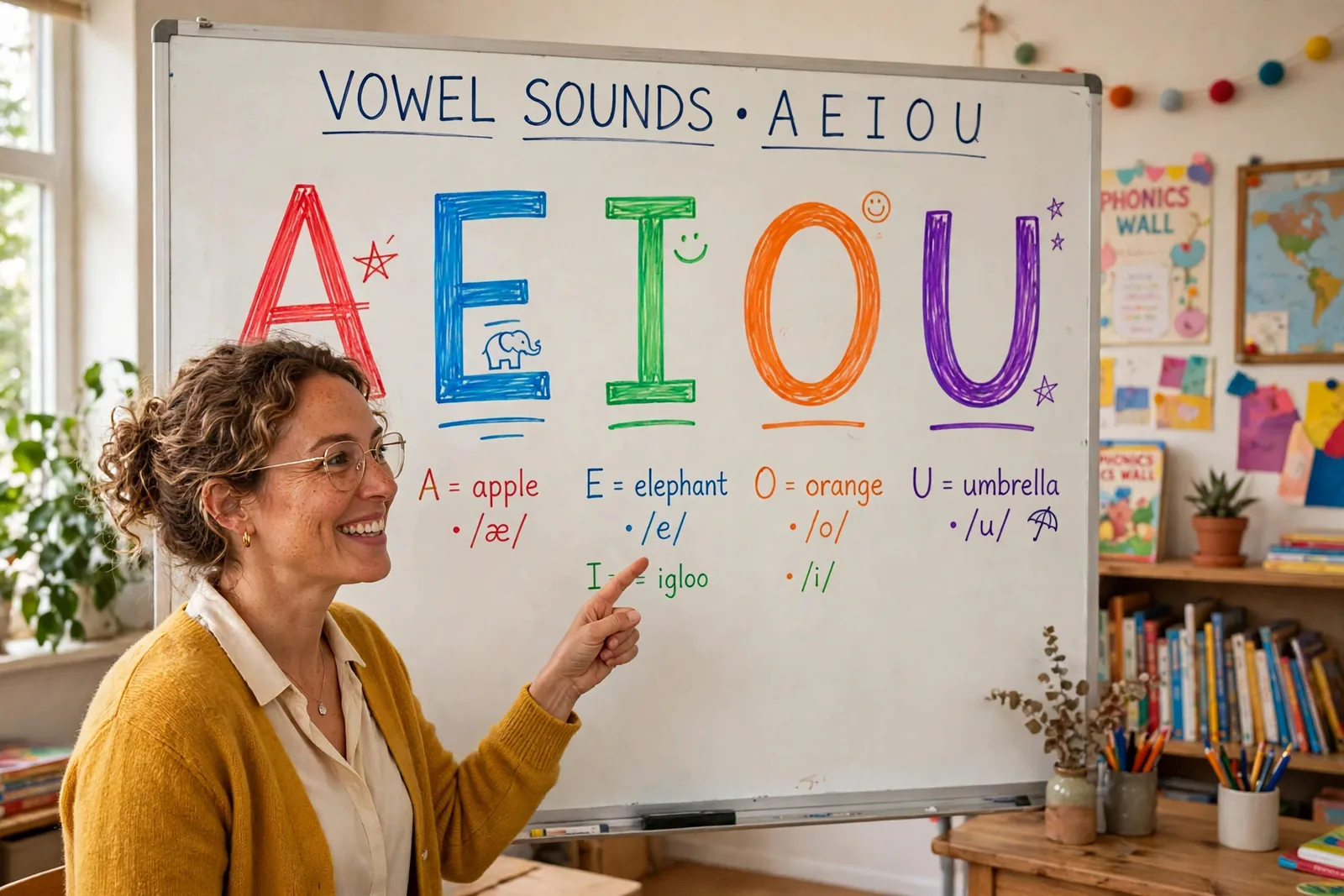
Spanish Pronunciation: 5 Vowels That Make You Sound Clear, Fast
Five vowel sounds, zero surprises. Learn how Spanish vowels work, why your English habits trip you up, and the 5-minute daily drill to sound clear, fast.
-

Korean Texting Slang: ㅋㅋ, ㅎㅎ and the Abbreviations Fans See Every Day
Your teen just texted ㅋㅋㅋ — laughter or a typo? A teacher decodes the Korean texting slang K-drama and K-pop fans use every day, with a cheat-sheet table.
-

How Uber Drivers Greet Riders and Confirm Names in English
Your rider is standing on the curb, phone in hand, looking at your car the way people look at a stranger’s car — half hopeful, half suspicious. You have about ten seconds to turn that look into a relaxed smile. The words you choose in those ten seconds decide whether the ride starts smooth, whether…
-

Learning Chinese as a Vietnamese Speaker: Your Advantages, Your Hard Parts, and How to Use Both
Ask ten Vietnamese learners what scares them most about Chinese and nine will say the same two words: tones and characters. Fair enough — both are real. But here is the part nobody tells you on day one: as a Vietnamese speaker, you walk into Chinese class already holding half the deck. Your language shares…
-

20 Korean Office Communication Phrases for People Working at Korean Companies
On your first day at a Korean company, your boss walks past, you bow and greet them with a quick “안녕” — and the whole room pauses for a beat. Nobody says anything, but you know you just said it wrong. “안녕” is the casual form, only used with friends your own age — in…
-

Almond vs. Coffin Nail Shapes Explained: What’s the Difference?
You sit down in the nail chair, and the technician asks one short question: “Almond or coffin?” You nod vaguely, then spend the whole appointment on edge, not knowing what you just chose. Only when it’s done do you see it: wait — why are the tips of my nails so square? This situation is…
-

HSK 1 Listening Practice: Telling the Time
You’re queuing for bubble tea in Chinatown when the seller turns to ask you something. You vaguely catch the words “几点” and freeze. The whole sentence is only four characters long, yet your ears can’t keep up. Sound familiar? Telling the time is one of the first topics to appear in the HSK 1 listening…
-

Learn Chinese Numbers 1–10 with Your Preschooler
Your little one can already count 1, 2, 3 in Vietnamese — so counting in Chinese is just a new game to play. With just 10 minutes a day, after one week your child can count from 1 to 10 in Chinese, counting while doing the hand gestures and singing along to a fun counting…
-
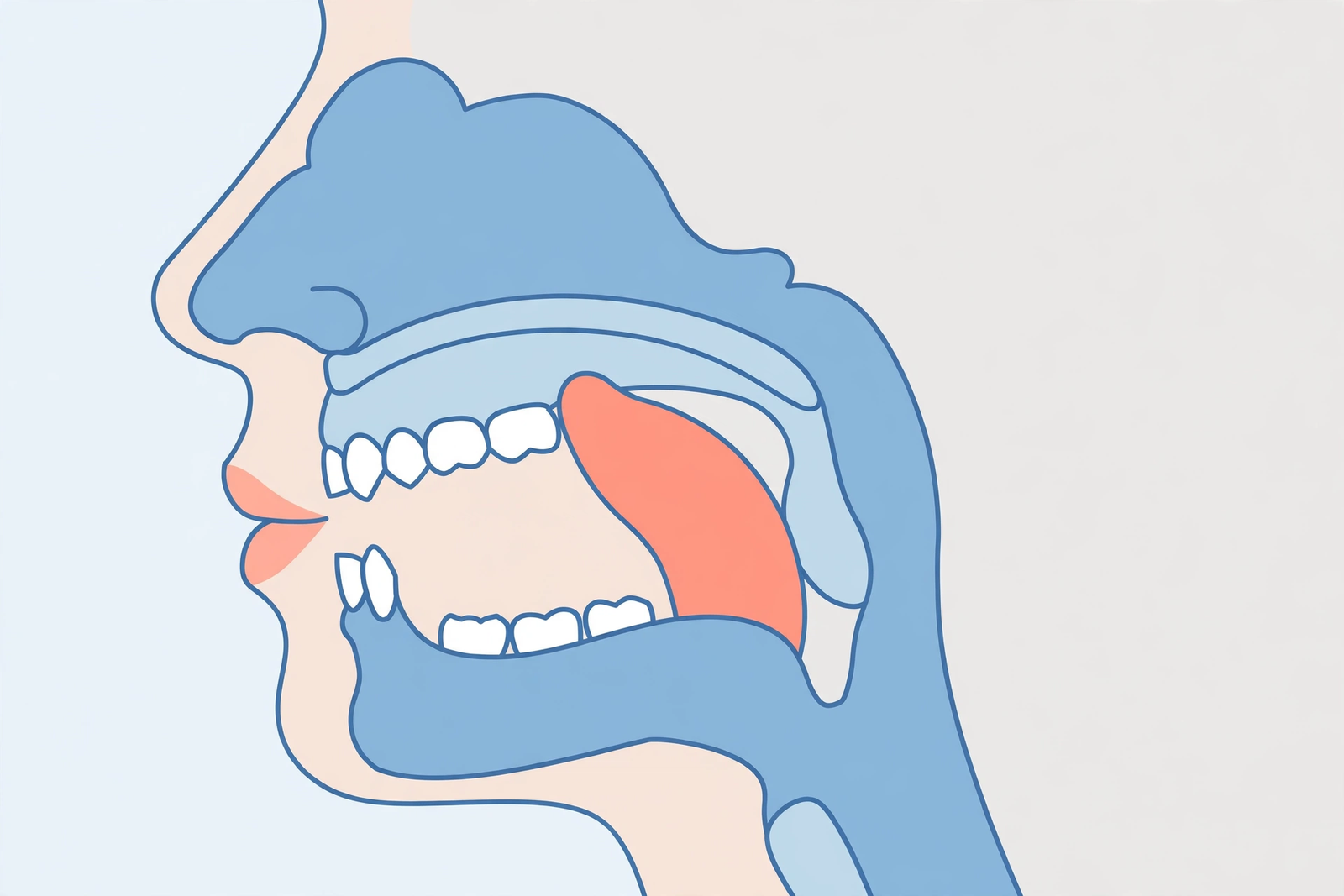
The J Sound in Pinyin: How to Place Your Tongue
You can read “你好” fluently and “谢谢” just fine, but the moment you reach a character with the j sound — 家, 见, 叫, 今天 — your listener frowns? Or you read “鸡” (chicken) and people hear it as “七” (seven)? The problem usually isn’t in your ears — it’s in the tip of your…