Featured this week
Pick a post below and start learning.
Find a Language Exchange Partner
Where to look and what to say first.
WORKAnswer Work Phone Calls in Professional English
Sound calm and clear on every call.
ESPAÑOLSpanish Small Talk: 20 Friendly Phrases
Sound friendly, not robotic.
Tips, trends, and real talk about learning English, Chinese, Korean, Spanish, and Vietnamese — new posts every day.
-

How to Use 不 in HSK 1 Practice: Negating Correctly Without Confusing It with 没
Have you ever written “我没是老师” and then wondered why the sentence sounds off? One tiny character, **不 (bù)**, in the wrong place and the whole sentence’s meaning shifts. The good news: the rules for 不 at HSK 1 level fit into just a few sentence patterns — learn them in one session and you’ll use…
-

80 English Sentences for Cashiers and Sales Staff: Say It and Customers Understand Straight Away
“Hi, how can I help you?” — it’s only a greeting, yet many people working as cashiers and sales staff in the US still freeze and don’t know what to say next. The customer asks one more question and… you just smile awkwardly. Sound familiar? This article collects exactly 80 English sentences that cashiers and…
-

Counting Money in Chinese: Prices, 两 vs 二, and Market Talk
Counting money in Chinese? Learn 两 vs 二, 块 and 毛, and the market phrases that get you a fair price — with real examples you can use at any stall today.
-
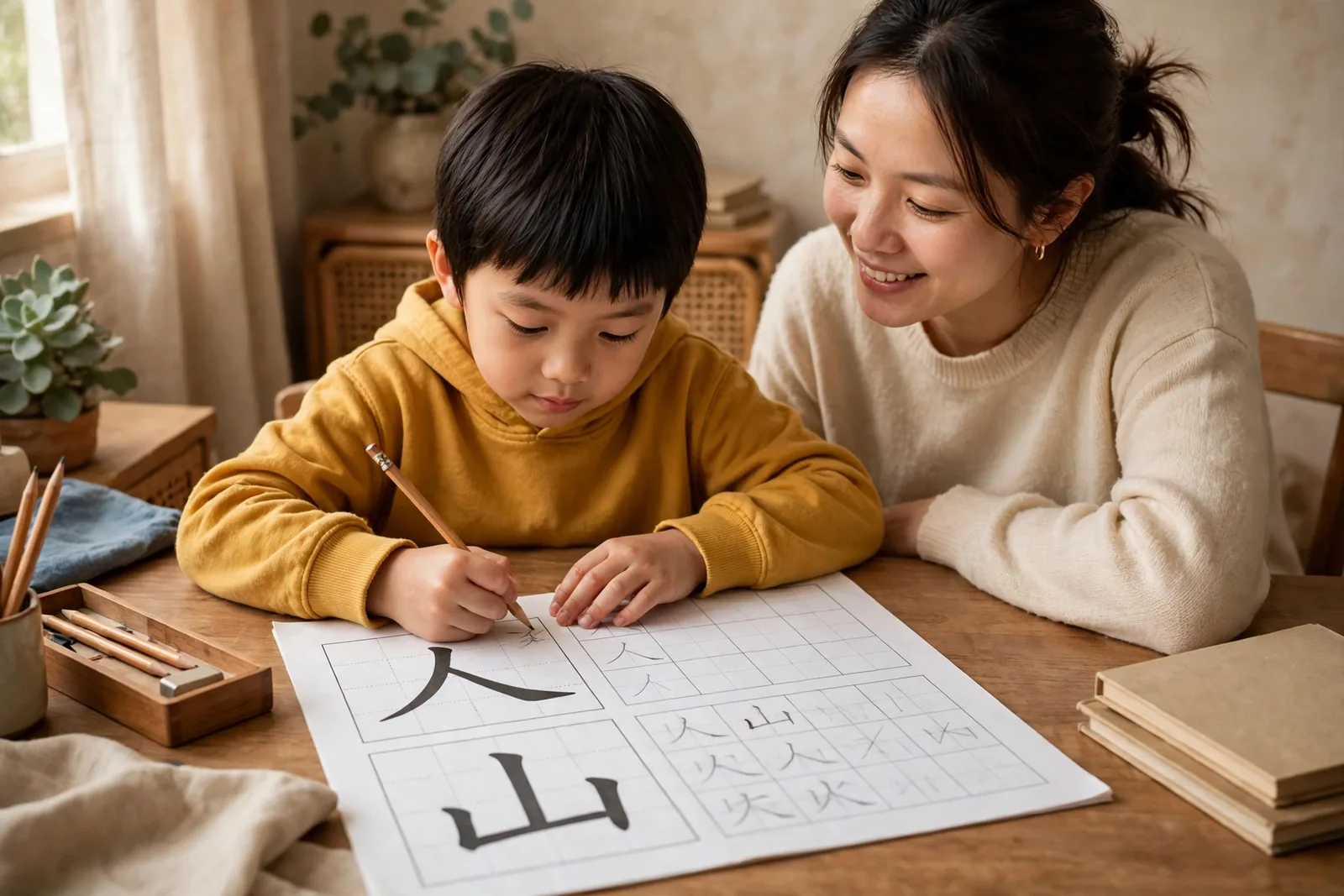
Should Kids Write Chinese Characters by Hand? An Honest Answer
Should kids write Chinese characters by hand? Yes — but later and lighter than you think. A teacher’s honest guide to recognition first, writing second.
-
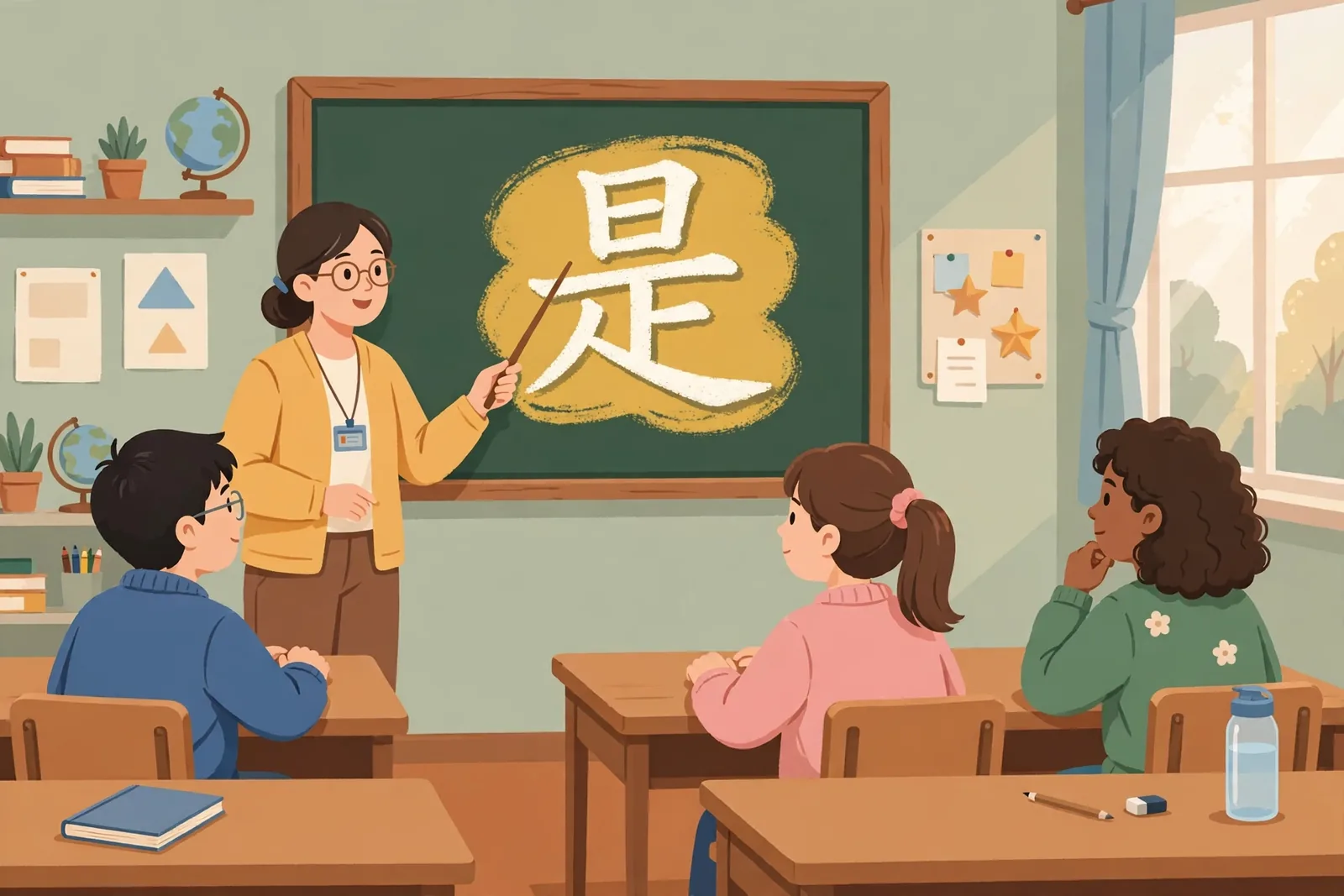
How to Use 是 (shì) in HSK 1 Practice: Saying “Is” Correctly from Your Very First Sentence
I am a student. She is a teacher. This is my book. Three simple sentences that every beginner learning Chinese wants to be able to say in their very first week. And all three share one tiny character: 是 (shì) — “là”, the Vietnamese word for “to be”. It sounds easy, but this is exactly…
-
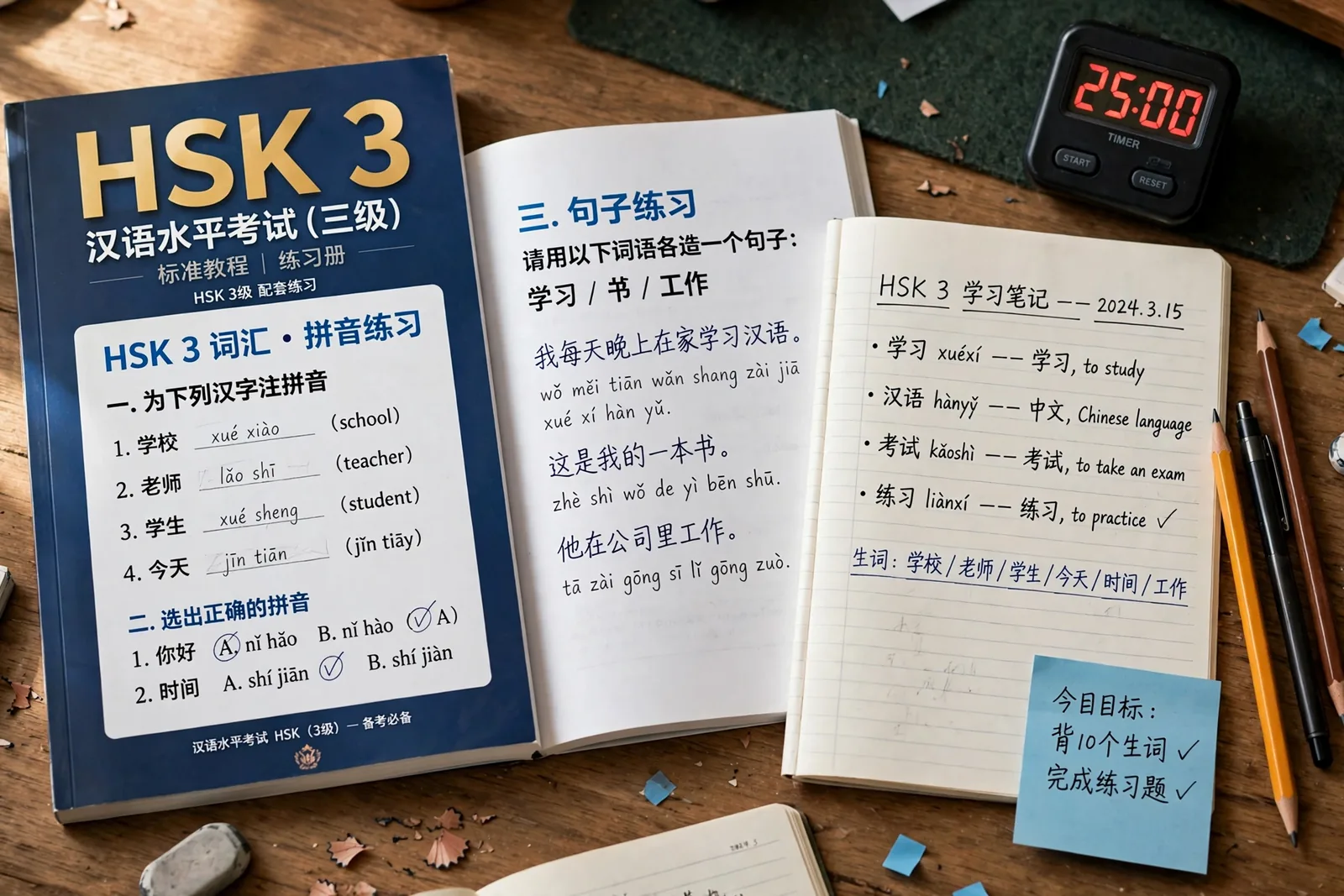
From HSK 2 to HSK 3: The Jump Everyone Warns You About (and How to Land It)
HSK 2 to HSK 3 surprises everyone: longer listening, real paragraphs, connecting grammar, and characters from memory. Here’s how to land it.
-
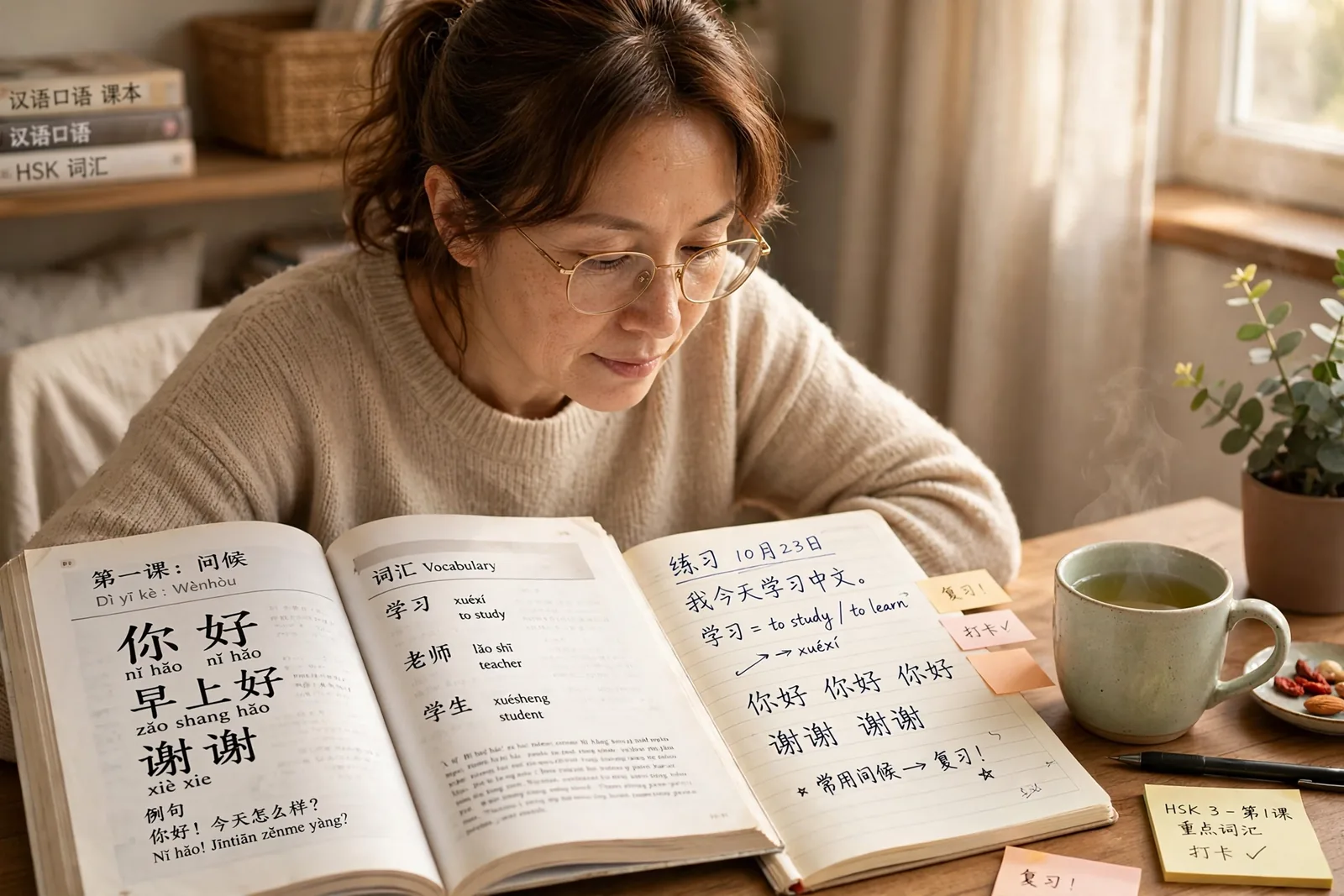
Learning Chinese After 40: What Changes, What Doesn’t, What Wins
Can you really learn Chinese after 40? Yes — and your age gives you advantages younger learners don’t have. Here’s what changes and the routine that works.
-
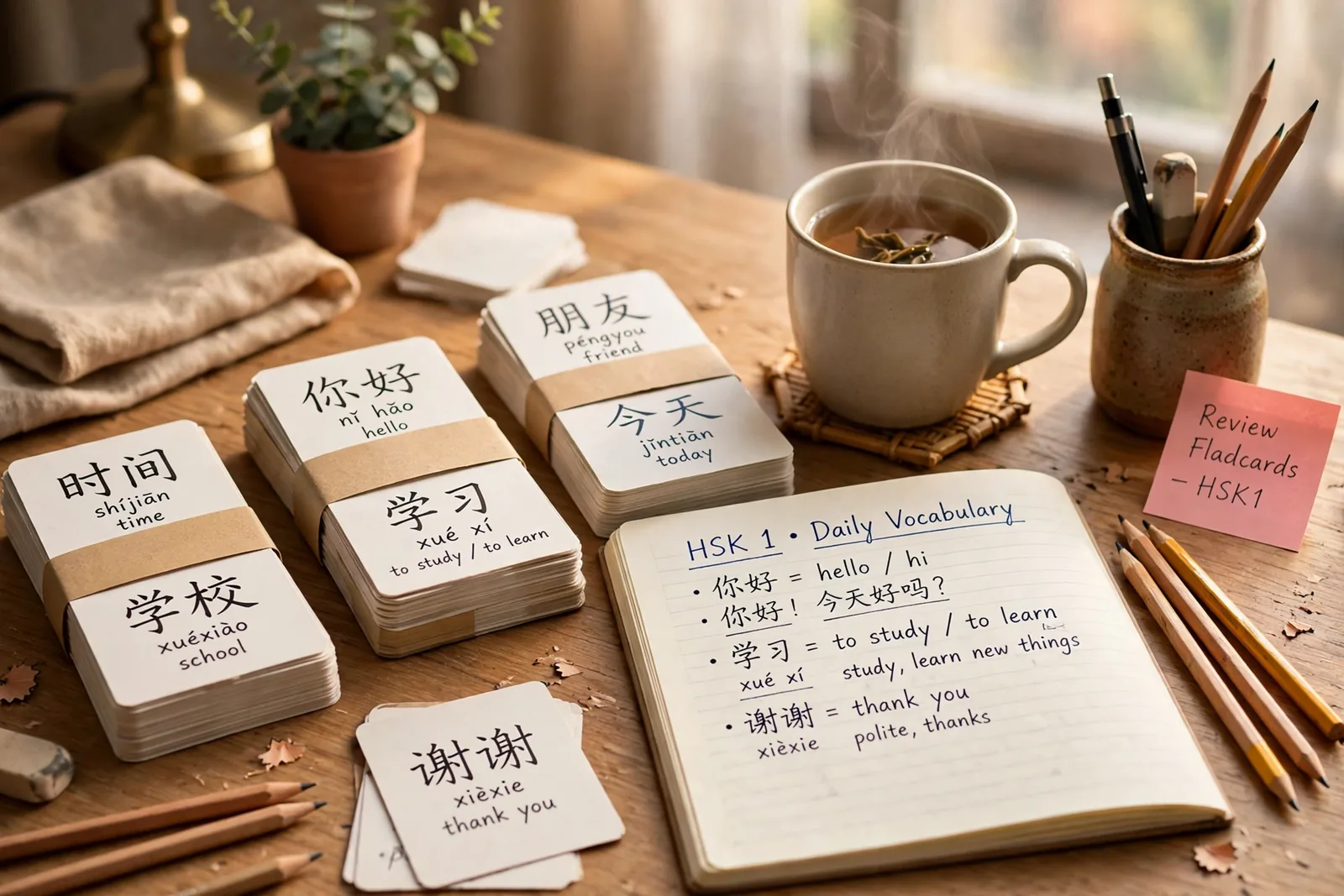
Flashcards That Actually Work for Chinese Characters: A Simple System
Flashcards for Chinese characters only work with a system. Here’s a simple spaced-repetition routine that turns 10 characters a week into words you remember.
-
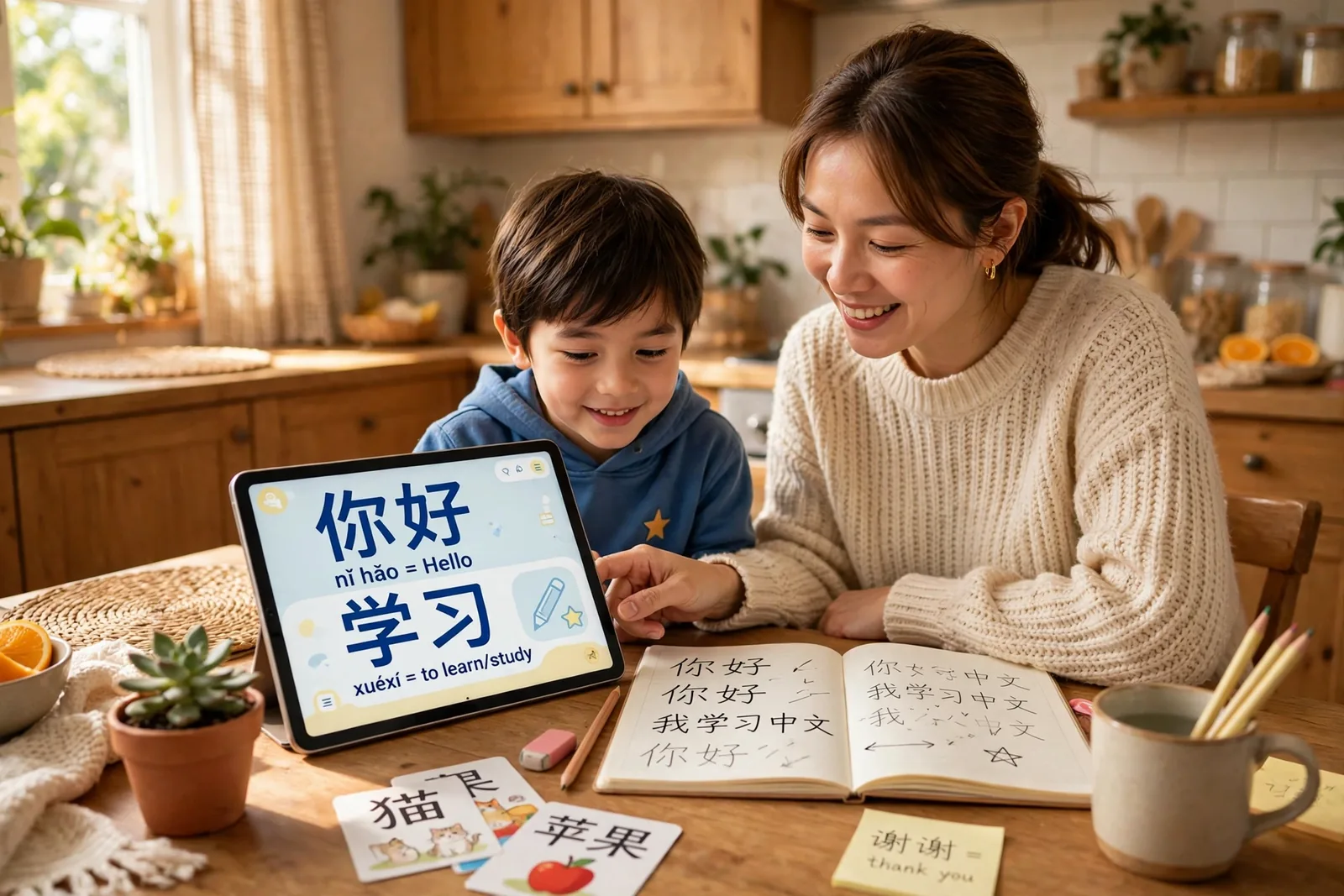
Language Apps vs a Real Course for Kids’ Chinese: An Honest Comparison
Apps or a real course — which is the best way for kids to learn Chinese? A teacher compares both honestly, and shows how families can combine them.
-
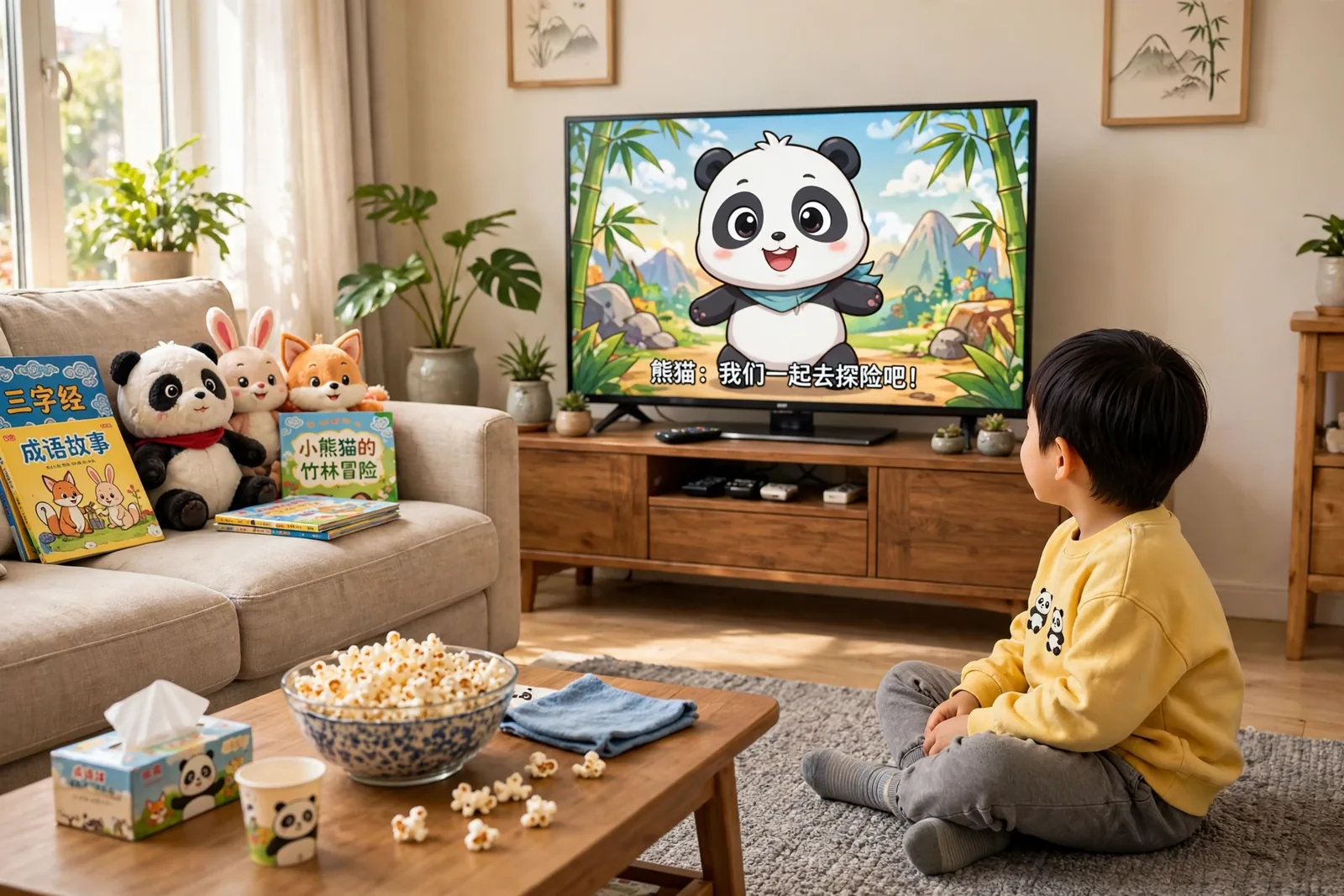
Chinese Cartoons by Level: What to Watch at HSK 1, 2 and 3
The right chinese cartoons by hsk level make listening fun, not homework. Here is what to watch at HSK 1, 2 and 3 — and how to learn from every episode.