Latest posts
-
“Learn Korean From Variety Shows: Running Man Lines You Can Steal”

Learn Korean from variety shows the smart way: the Running Man lines you will hear every week, how to steal them, and what TV will never teach beginners.
-
“Asking Directions in Korean: 15 Phrases That Get You There (and Back)”

Asking directions in Korean is easier than it looks: 15 phrases, the direction words you will actually hear, and a mini-dialogue to copy before your trip.
-
“Korean Shopping Phrases: Markets, Sizes and Haggling Politely”

Korean shopping phrases for markets and malls: prices in won, sizes, trying things on, and how to haggle politely for a fair price every time you shop.
-
“Korean Time and Dates: Days, Months and Telling Time”

Korean time and dates, made simple: native numbers for hours, Sino-Korean for minutes, the days and months, plus the two irregular months to watch.
-
“Korean Family Words: The Kinship Terms That Confuse Every Learner”

Korean family words made simple: parents, grandparents, the oppa and hyeong rule, aunts and uncles by family side, and why Koreans say our mum instead.
-
“Korean Particles Explained: -eun, -neun, -i, -ga Without the Headache”
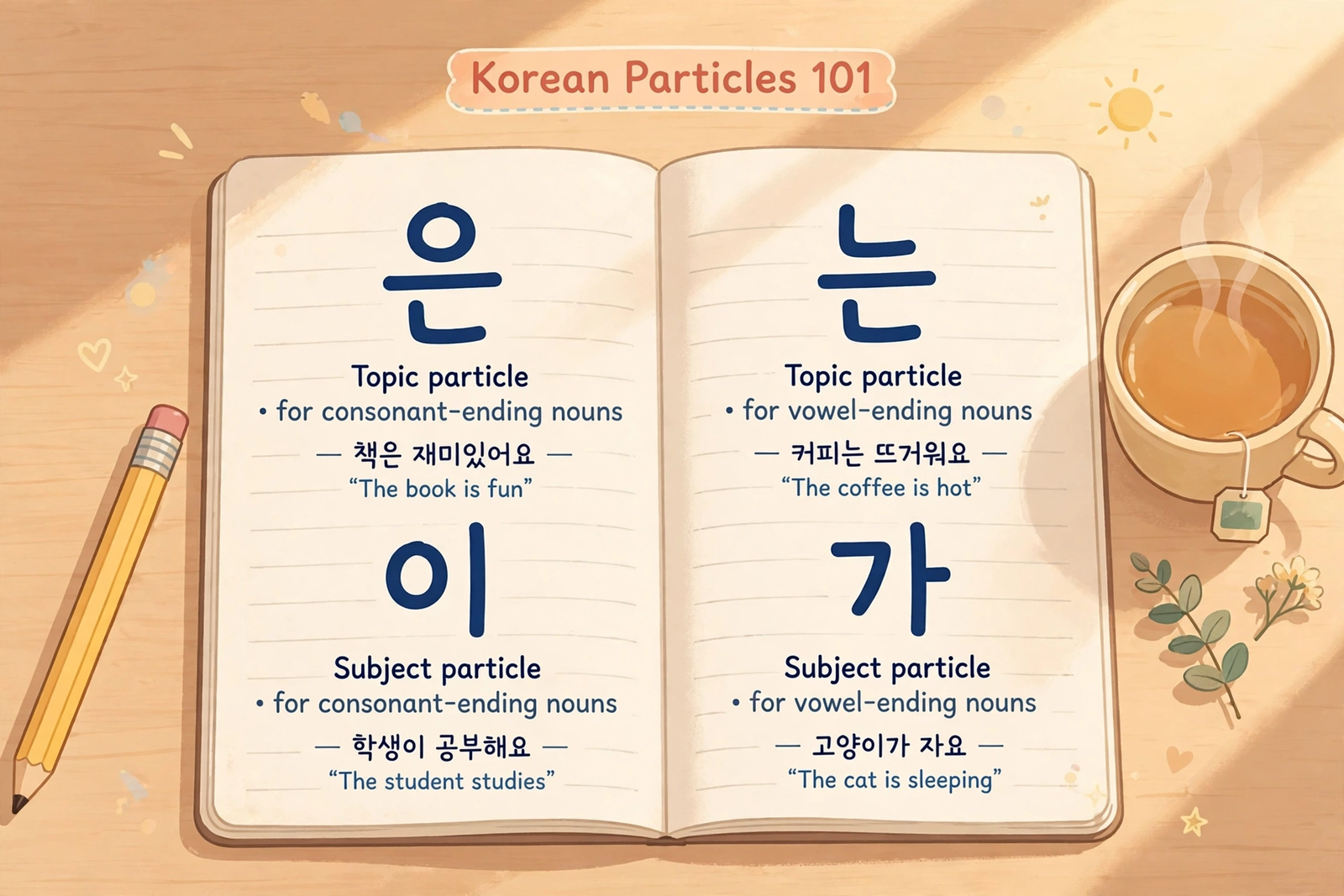
Korean particles eun, neun, i, ga finally make sense: what topic and subject markers really do, the one test that tells them apart, and everyday examples.
-
“Korean Travel Phrases: 25 Lines That Get You Around Seoul”
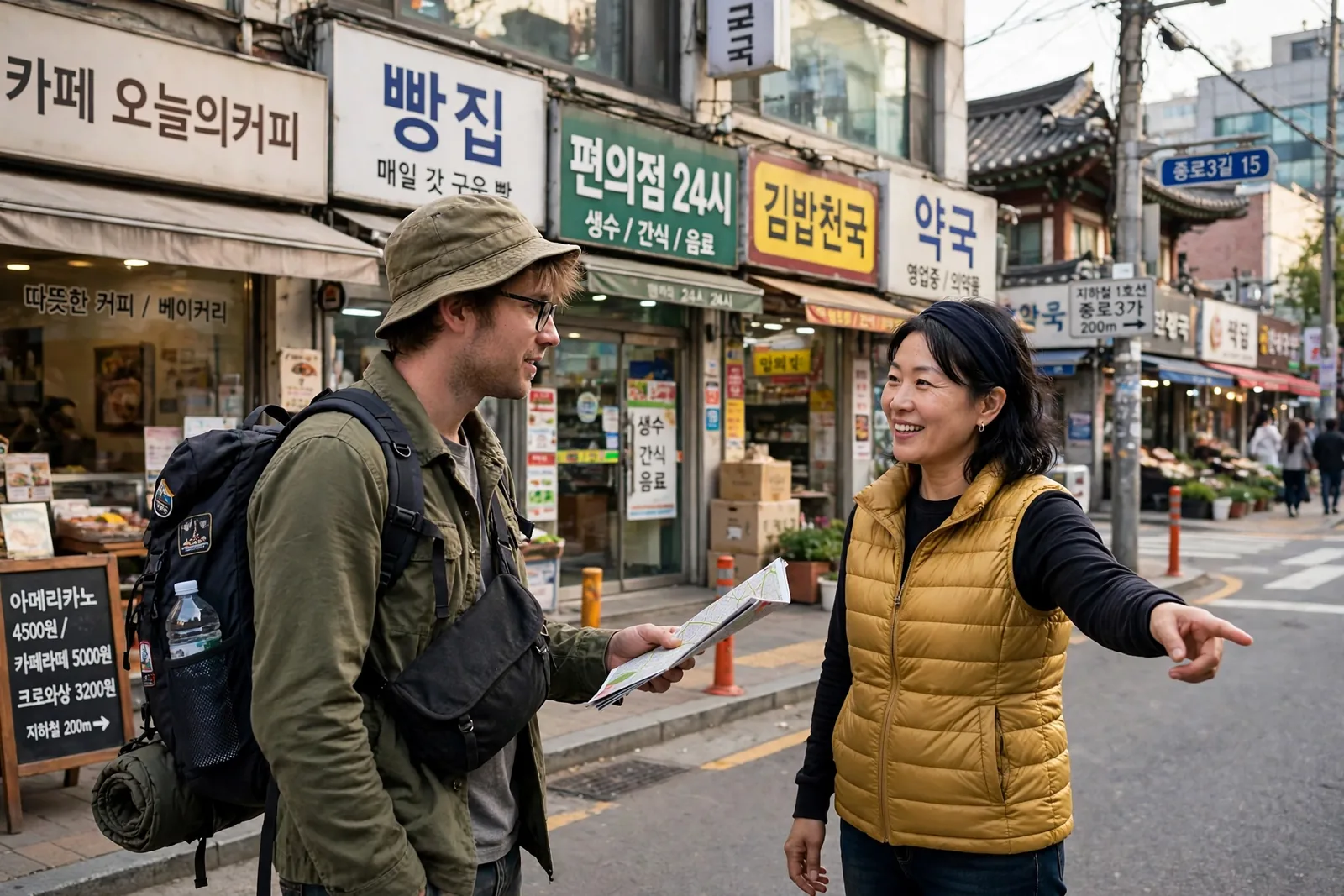
Twenty-five Korean travel phrases for Seoul — directions, the subway, ordering food and emergencies — with pronunciation you can actually say.
-
Korean Weather Words for Kids: Rain, Snow, Sun, and Wind — Say Them in Korean

Look out the window right now. Is it raining? Snowing? Is the sun out, or is the wind shaking the trees? Whatever you see, you can say it in Korean — and it only takes eight little words to start. These Korean weather words for kids are short, fun to say out loud, and useful…
-
“Korean at Work: 20 Polite Phrases for the Office”

Sound polite at work in Korean. 20 office phrases — greetings, requests, apologies, meetings, goodbyes — with Hangul, romanization, and when to use each.
-
“Korean Pronunciation: The Final-Consonant Rules That Change Everything (Batchim Made Simple)”

Master the 7 Korean batchim sounds and the 5 sound-change rules behind 입니다 → 임니다, with clear examples, a 7-sound table, and a 10-minute practice checklist.