
You are standing in front of a street-food stall in Seoul. Steam is rising off a pot of tteokbokki, the vendor is smiling at you, and you have exactly three seconds before the silence gets awkward. This is the moment every Korean learner dreams about — and the moment most of them freeze.
Here is the good news: ordering food is the easiest real conversation in Korean. You need about twelve phrases, the numbers one to ten, and one brave gesture. This script will get you fed, and it will get you fed in Korean.
The script: six lines that order anything
Walk up to the stall, make eye contact, and start with a smile and 여기요 (yeogiyo — “over here” / “excuse me”). Then point and say 이거 주세요 (igeo juseyo — “this, please”). That one sentence orders anything you can point at. Want two? Say 두 개 주세요 (du gae juseyo — “two, please”). Not sure what something is? Ask 이거 뭐예요? (igeo mwoyeyo — “what is this?”). And when the food arrives, 맛있어요 (masisseoyo — “delicious”) is the word that makes the vendor’s day.
At the end, 계산서 주세요 (gyesanseo juseyo — “the bill, please”) in a restaurant, or just pay at the stall. And if you want it to go, 포장해 주세요 (pojanghae juseyo — “takeaway, please”) is the sentence that turns a market snack into a picnic.
| Korean | Pronunciation | Meaning | When to use it |
|---|---|---|---|
여기요  | yeogiyo | Over here / excuse me | Getting the vendor’s attention |
이거 주세요  | igeo juseyo | This, please | Ordering anything you can point at |
얼마예요? 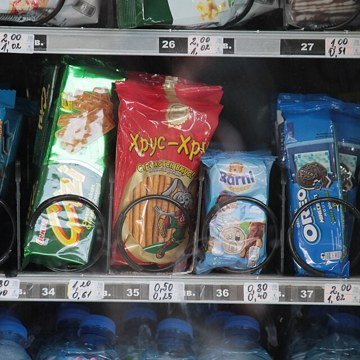 | eolmayeyo | How much is it? | Before you pay |
하나 주세요  | hana juseyo | One, please | Ordering one of something |
물 주세요 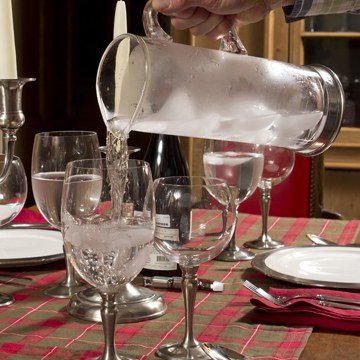 | mul juseyo | Water, please | At any restaurant table |
맛있어요  | masisseoyo | Delicious | After the first bite — always |
매워요 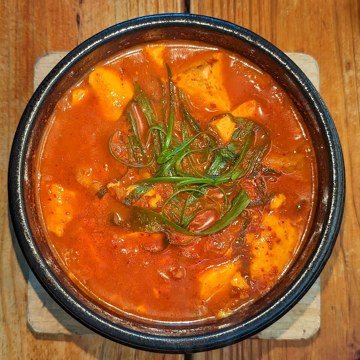 | maewoyo | It is spicy | Warning others, or asking |
매워요? 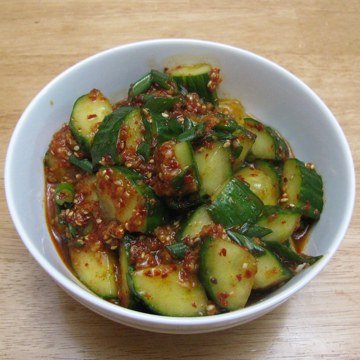 | maewoyo? | Is it spicy? | Asking before you order |
계산서 주세요 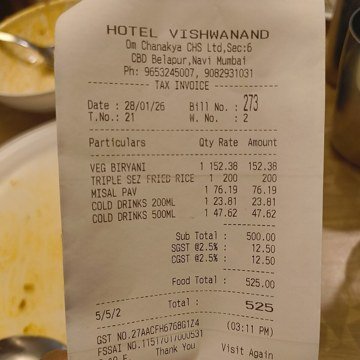 | gyesanseo juseyo | The bill, please | Paying in a restaurant |
포장해 주세요 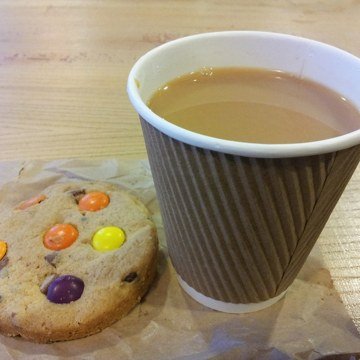 | pojanghae juseyo | Takeaway, please | Taking food with you |
감사합니다 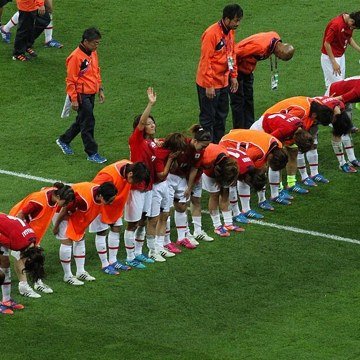 | gamsahamnida | Thank you | Every time, without fail |
잘 먹겠습니다  | jal meokgesseumnida | I will eat well | Before the first bite, politely |
Prices: the numbers that matter
Street food is priced in won, and the numbers you need are small. One thousand won is 천 원 (cheon won), five thousand is 오천 원 (ocheon won), and ten thousand is 만 원 (man won). Most street snacks sit between three and ten thousand won. Learn 천, 오천 and 만 before your trip and you will understand every price you hear — and if the vendor says a number you miss, just smile, hold out your hand with the cash, and say 얼마예요? again. Nobody in a food market has ever been offended by being asked twice.
One more number to know: 하나 (hana, one), 둘 (dul, two), 셋 (set, three). These are the native Korean numbers, the ones you use for counting things — including plates of food. The other number set, 일 (il), 이 (i), 삼 (sam), is for prices, dates and phone numbers. Mixing them up is normal for beginners; vendors understand both, and they will gently correct you with a smile.

When you get stuck (you will, once)
Every learner freezes once. The vendor says something fast, you catch nothing, and your mind goes blank. Here is the recovery plan: smile, say 다시 말씀해 주세요 (dasi malsseumhae juseyo — “please say it again”), and point. Pointing is not rude in a food market — it is the local language. And if all else fails, the sentence 죄송합니다, 한국말 잘 못해요 (joesonghamnida, hangukmal jal mothaeyo — “sorry, I don’t speak Korean well”) will earn you patience, a slower repeat, and usually a free sample.
The secret nobody tells you: Korean vendors love it when you try. A traveller who orders in Korean — even slowly, even with mistakes — gets a warmer welcome than a traveller who just holds up a phone. The effort is the point. The food is the bonus.

Quick Quiz
Test yourself on ordering food in Korean. Click an answer to see if you are right — your score is at the top.
Score: 0/5
1. What does “이거 주세요” (igeo juseyo) let you do?
2. How do you ask “How much is it?”
3. What is 천 원 (cheon won)?
4. Which numbers does the post say to use for counting plates of food?
5. What does “포장해 주세요” mean?
Practice tonight, eat well tomorrow
Before your trip, practise the script at home: point at something on your table, say 이거 주세요, and answer your own 얼마예요? with a price. It feels silly for two minutes, and then it feels easy. That is the whole trick — the first time you say a sentence should never be the first time you need it.
If you want the words to be ready before the plane lands, our Korean programme teaches the phrases travellers actually use, with audio you can shadow on the flight. And if you are learning Korean because the dramas made you hungry for the culture as well as the food, our K-pop word guide is a fun place to keep building vocabulary. 잘 먹겠습니다 — see you at the stall.
📷 Illustration photo sources: real photos from the open image libraries Openverse / Wikimedia Commons / Flickr (licenses CC0, CC BY, CC BY-SA) — one real-life photo for each word, no AI-generated artwork.