Latest posts
-
“Korean Sentence Endings for Questions: How to Ask Without Sounding Rude”

“Korean question endings explained simply: the formal, polite and casual ways to ask, when to use each one, and how to sound friendly instead of sounding rude.”
-
“Korean Apology and Excuse Phrases: Sorry, My Mistake and When to Use Each”

“Korean apology and excuse phrases that fit every situation: the formal sorry, the friendly sorry, and the words to use when you are late or make a mistake.”
-
“Korean Job Interview Phrases: Sounding Polite When It Matters Most”

“Korean job interview phrases that make you sound polite and prepared: greetings, a self-introduction script, and the answers interviewers love to hear.”
-
“Korean Restaurant Phrases: BBQ, Banchan and Ordering Like a Regular”
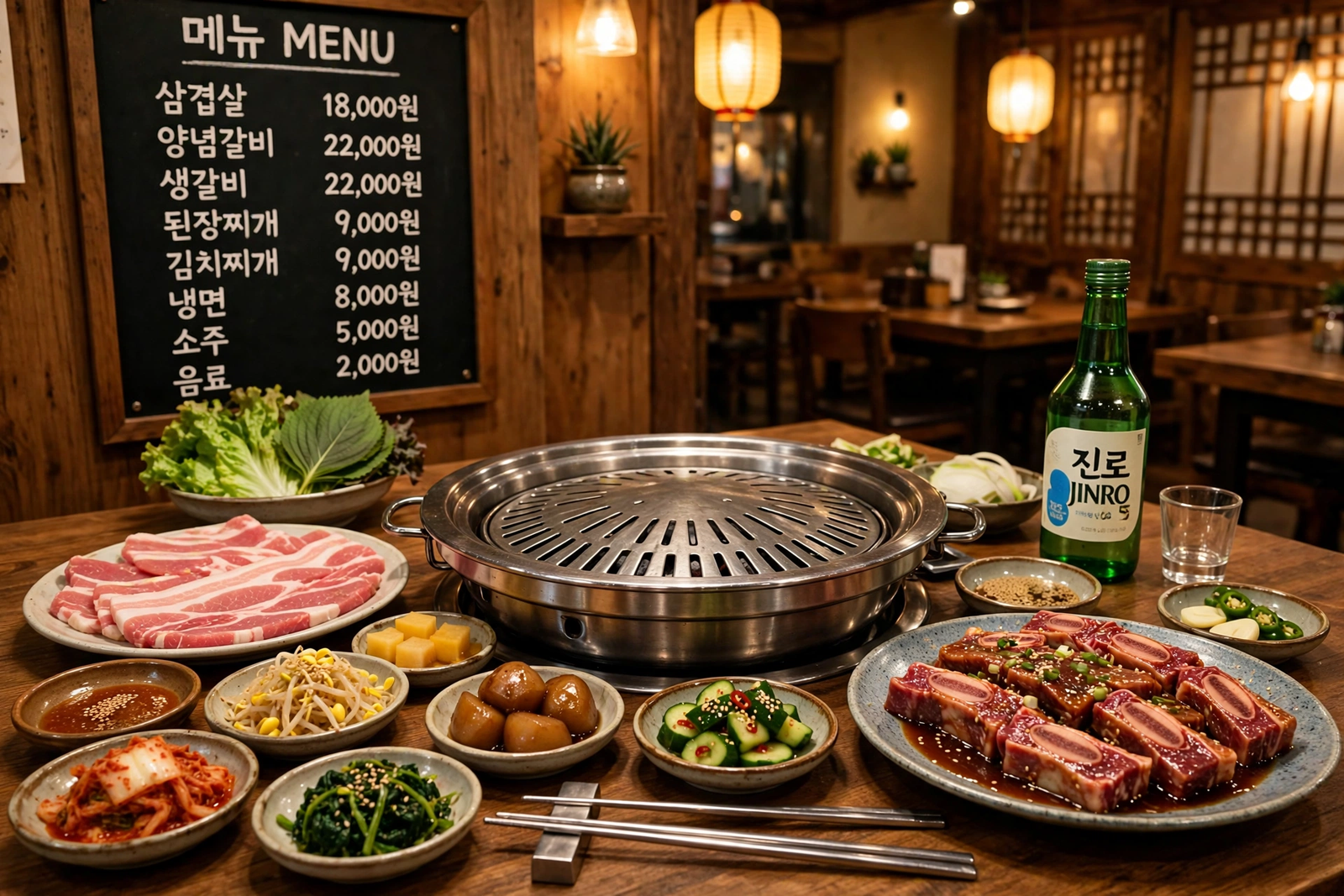
“Korean restaurant BBQ phrases that get you fed: order by servings, ask for free banchan refills, and pay the bill like a regular — with slow audio to copy.”
-
“How to Talk About Your Day in Chinese: Past, Present and the Words That Connect Them”

“Learn to talk about your day in Chinese: 今天, 昨天 and 明天, the past markers 了 and 过, and the little connectors that turn scattered sentences into a real story.”
-
What to Say in English When a Passenger Gets Into the Wrong Uber

Your car pulls up, the door opens, and a stranger slides into the back seat with a cheerful “Hi!” Then comes the awkward pause. The name on your screen is David. The person in your mirror is clearly not David. What do you say — in English, politely, in about three seconds? If you drive…
-
How to Pronounce Q in Pinyin: Fix the Aspirated Sound in 5 Minutes a Day

Say qī out loud right now. Did it come out sounding like “chee,” or maybe like “kee”? If so, you are in very good company. The pinyin q is one of the three sounds that trip up almost every beginner, and most learners keep mispronouncing it for months simply because nobody ever showed them where…
-
How to Announce Your ETA in English: Phrases Every Driver Needs

Your passenger just settled into the back seat and asks the question every driver hears ten times a day: “How long until we get there?” You know the answer. Your phone says fourteen minutes. But how do you say it in English, clearly and politely, without hesitating? This guide gives you the exact English phrases…
-
Polite English Phrases to Ask a Passenger to Fasten Their Seatbelt

Your passenger just got in, closed the door, and settled into the back seat. You glance in the mirror. No seatbelt. You have about three seconds to say something polite in English before you pull away, and the wrong sentence can make the whole ride awkward. The right sentence takes two seconds, sounds friendly, and…
-
How to Use 比 (bǐ) to Compare Things in Chinese: HSK 2 Guide
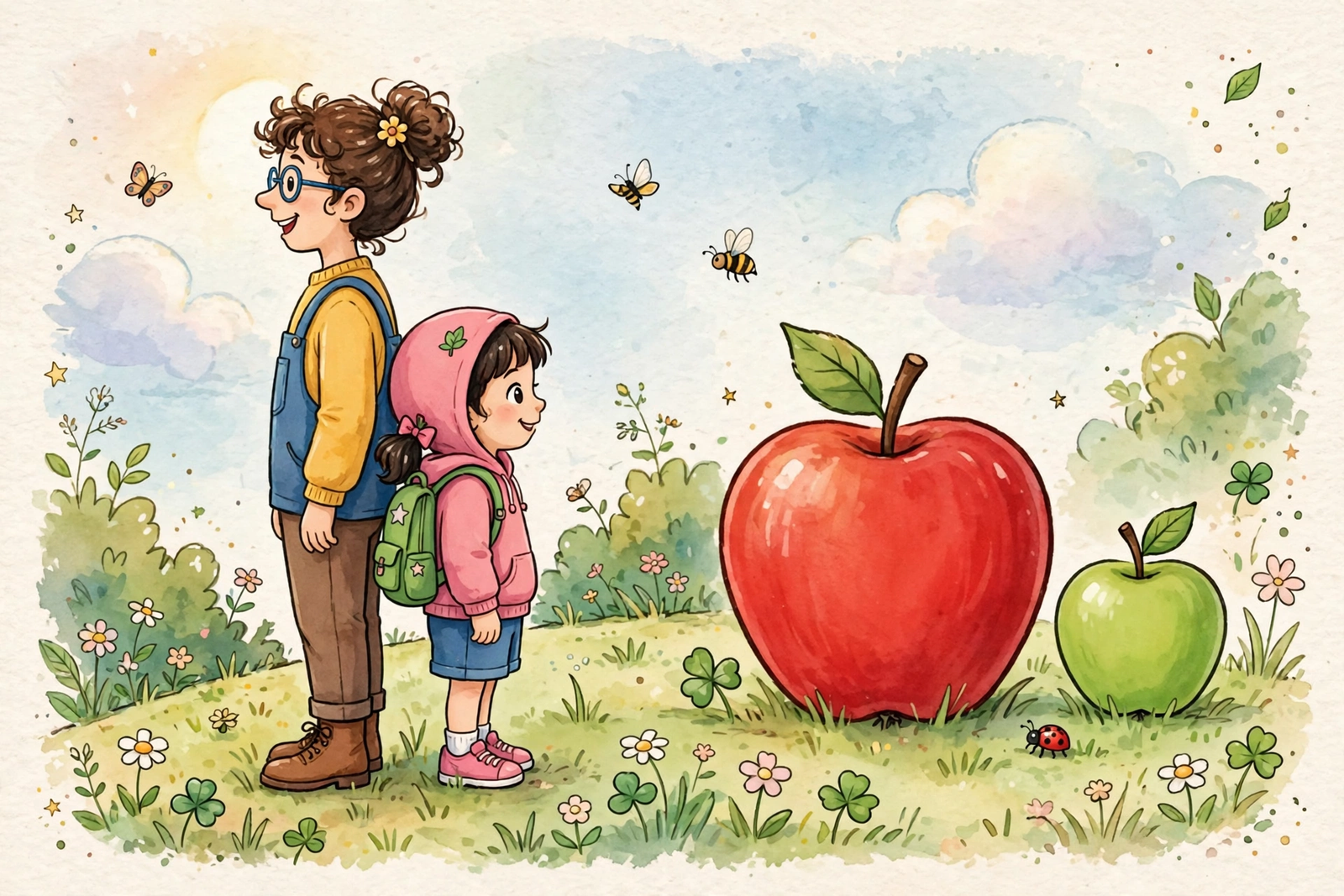
Who is taller, you or your friend? Which shop is cheaper? Is today colder than yesterday? In English, you add “-er” or use “more.” In Chinese, you use one small word: 比 (bǐ). It sits between the two things you are comparing, and once you learn its pattern, you can compare almost anything — height,…