El libro es rojo
🎯 Objectives
- Recognize masculine/feminine nouns, use el/la/los/las and un/una correctly, and describe with colors + adjectives
- Make adjectives agree in gender and number, place them after the noun, and use estar for location
- Read a description of a friend and identify objects from spoken descriptions
📚 Picture vocabulary (46 words)

















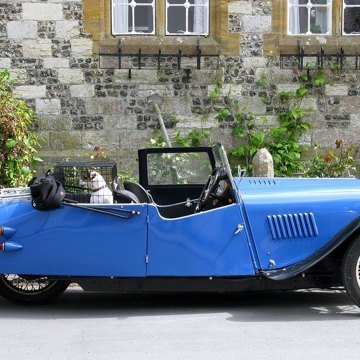
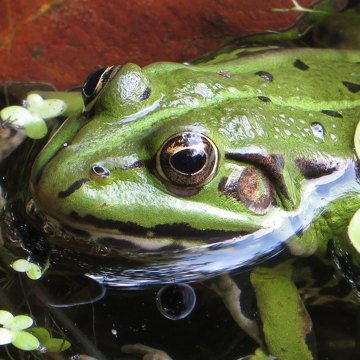
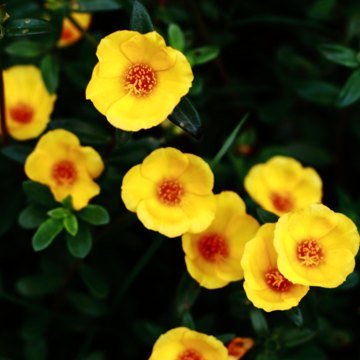
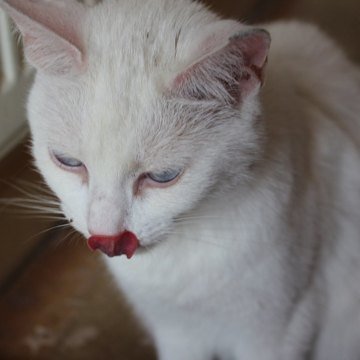
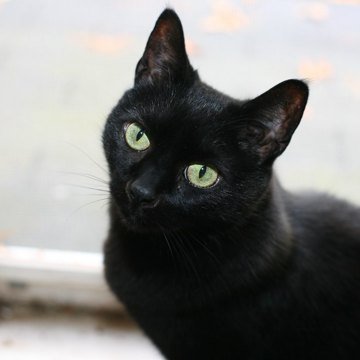
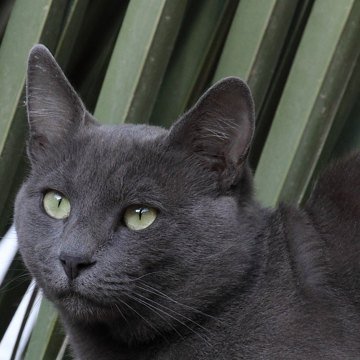


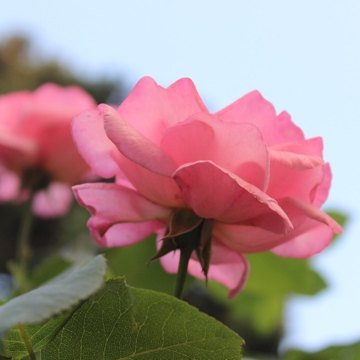

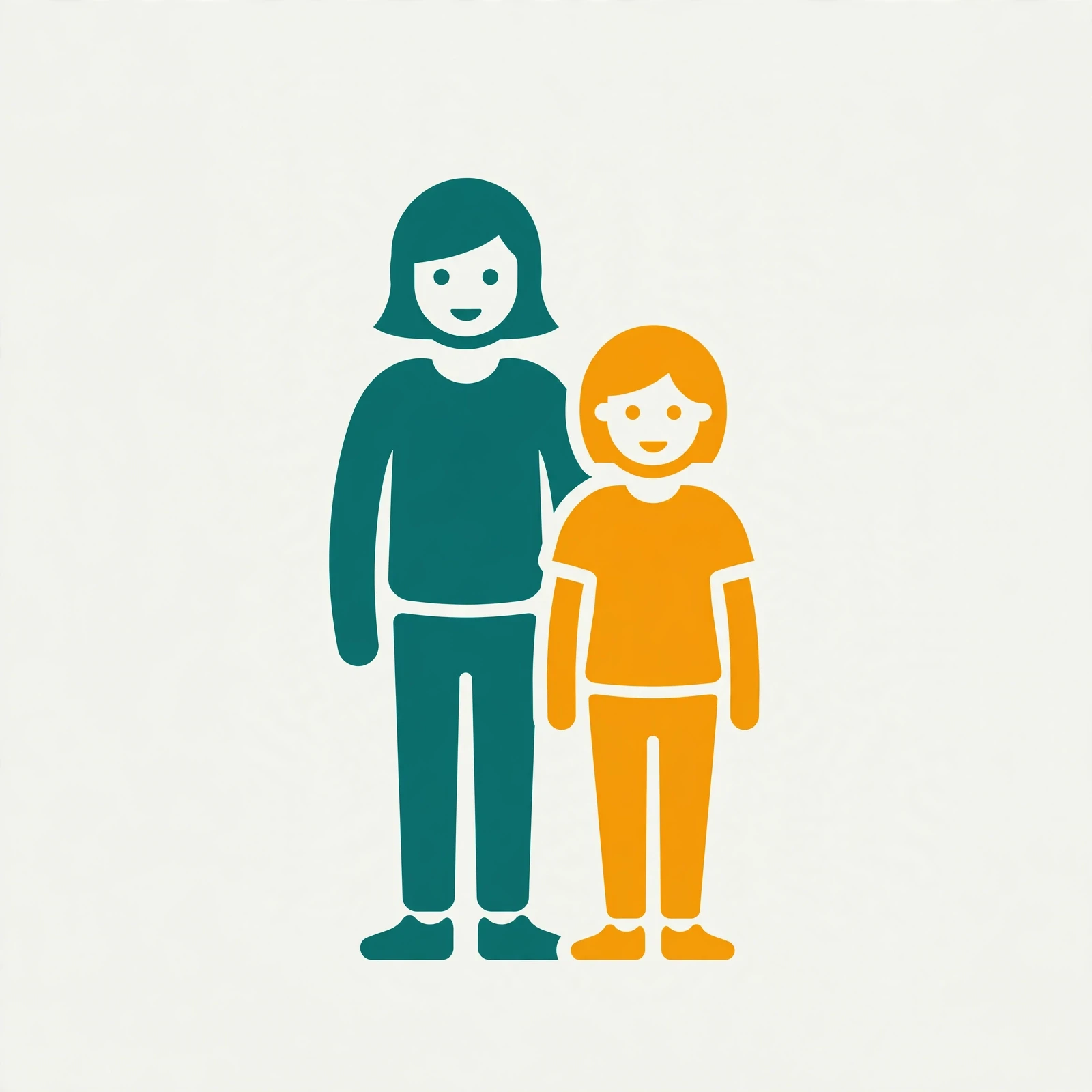







Every card has a picture and audio.
🖼️ Image credits
- el () — AI-generated in workspace: Original AI-generated illustration created in this workspace; no third-party assets used.
- la () — AI-generated in workspace: Original AI-generated illustration created in this workspace; no third-party assets used.
- los () — AI-generated in workspace: Original AI-generated illustration created in this workspace; no third-party assets used.
- las () — AI-generated in workspace: Original AI-generated illustration created in this workspace; no third-party assets used.
- un () — AI-generated in workspace: Original AI-generated illustration created in this workspace; no third-party assets used.
- una () — AI-generated in workspace: Original AI-generated illustration created in this workspace; no third-party assets used.
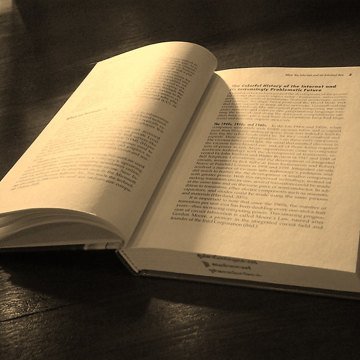
- el libro () — AI-generated in workspace: Original AI-generated illustration created in this workspace; no third-party assets used.
- la mesa () — AI-generated in workspace: Original AI-generated illustration created in this workspace; no third-party assets used.
- el teléfono () — AI-generated in workspace: Original AI-generated illustration created in this workspace; no third-party assets used.
- la casa () — AI-generated in workspace: Original AI-generated illustration created in this workspace; no third-party assets used.
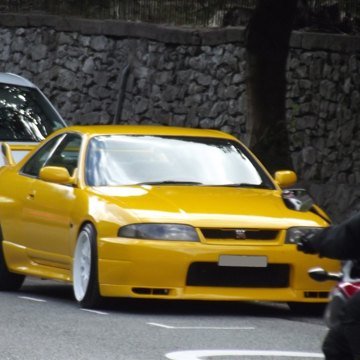
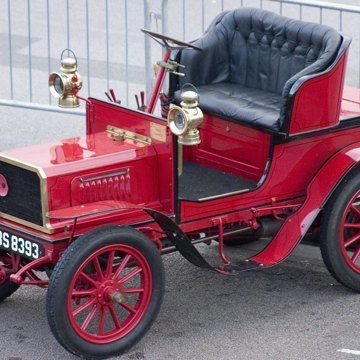
- el coche () — AI-generated in workspace: Original AI-generated illustration created in this workspace; no third-party assets used.
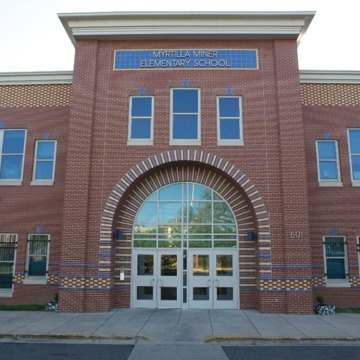
- la escuela () — AI-generated in workspace: Original AI-generated illustration created in this workspace; no third-party assets used.
- el amigo / la amiga () — AI-generated in workspace: Original AI-generated illustration created in this workspace; no third-party assets used.
- el día () — AI-generated in workspace: Original AI-generated illustration created in this workspace; no third-party assets used.
- la noche () — AI-generated in workspace: Original AI-generated illustration created in this workspace; no third-party assets used.
- el mapa () — AI-generated in workspace: Original AI-generated illustration created in this workspace; no third-party assets used.
- la mano () — AI-generated in workspace: Original AI-generated illustration created in this workspace; no third-party assets used.
- el problema () — AI-generated in workspace: Original AI-generated illustration created in this workspace; no third-party assets used.
- la foto () — AI-generated in workspace: Original AI-generated illustration created in this workspace; no third-party assets used.
- el programa () — AI-generated in workspace: Original AI-generated illustration created in this workspace; no third-party assets used.
- rojo / roja () — AI-generated in workspace: Original AI-generated illustration created in this workspace; no third-party assets used.
- azul () — AI-generated in workspace: Original AI-generated illustration created in this workspace; no third-party assets used.
- verde () — AI-generated in workspace: Original AI-generated illustration created in this workspace; no third-party assets used.
- amarillo / amarilla () — AI-generated in workspace: Original AI-generated illustration created in this workspace; no third-party assets used.
- blanco / blanca () — AI-generated in workspace: Original AI-generated illustration created in this workspace; no third-party assets used.
- negro / negra () — AI-generated in workspace: Original AI-generated illustration created in this workspace; no third-party assets used.
- gris () — AI-generated in workspace: Original AI-generated illustration created in this workspace; no third-party assets used.
- morado / morada () — AI-generated in workspace: Original AI-generated illustration created in this workspace; no third-party assets used.
- naranja () — AI-generated in workspace: Original AI-generated illustration created in this workspace; no third-party assets used.
- rosa () — AI-generated in workspace: Original AI-generated illustration created in this workspace; no third-party assets used.
- marrón () — AI-generated in workspace: Original AI-generated illustration created in this workspace; no third-party assets used.
- alto / alta () — AI-generated in workspace: Original AI-generated illustration created in this workspace; no third-party assets used.
- bajo / baja () — AI-generated in workspace: Original AI-generated illustration created in this workspace; no third-party assets used.
- guapo / guapa () — AI-generated in workspace: Original AI-generated illustration created in this workspace; no third-party assets used.
- simpático / simpática () — AI-generated in workspace: Original AI-generated illustration created in this workspace; no third-party assets used.
- inteligente () — AI-generated in workspace: Original AI-generated illustration created in this workspace; no third-party assets used.
- trabajador / trabajadora () — AI-generated in workspace: Original AI-generated illustration created in this workspace; no third-party assets used.
- divertido / divertida () — AI-generated in workspace: Original AI-generated illustration created in this workspace; no third-party assets used.
- joven () — AI-generated in workspace: Original AI-generated illustration created in this workspace; no third-party assets used.
- grande () — AI-generated in workspace: Original AI-generated illustration created in this workspace; no third-party assets used.
- pequeño / pequeña () — AI-generated in workspace: Original AI-generated illustration created in this workspace; no third-party assets used.
- bueno / buena () — AI-generated in workspace: Original AI-generated illustration created in this workspace; no third-party assets used.
- bonito / bonita () — AI-generated in workspace: Original AI-generated illustration created in this workspace; no third-party assets used.
- ¿dónde está…? () — AI-generated in workspace: Original AI-generated illustration created in this workspace; no third-party assets used.
- está en… () — AI-generated in workspace: Original AI-generated illustration created in this workspace; no third-party assets used.
- están en… () — AI-generated in workspace: Original AI-generated illustration created in this workspace; no third-party assets used.
📖 Grammar
Noun gender
-o → masculine · -a → feminine (memorize the exceptions)
Words ending in -o are usually masculine (el libro, el teléfono); words ending in -a are usually feminine (la mesa, la casa). Memorize the exceptions: el día, el mapa, el problema (masculine); la mano, la foto (feminine).
Plurals
vowel + -s · consonant + -es
Add -s after a vowel (libro → libros, casa → casas); add -es after a consonant (profesor → profesores). The article changes too: el→los, la→las.
Adjectives agree with the noun
libro rojo · casa roja · libros rojos · casas rojas
Adjectives ending in -o have four forms for gender and number (rojo/roja/rojos/rojas). Adjectives ending in -e or a consonant (azul, verde, gris, inteligente, joven) change only for number: el coche azul / la mesa azul, los coches azules.
Adjective position
adjectives usually come AFTER the noun
Adjectives usually come after the noun: una casa grande, un amigo simpático. Exceptions: bueno → buen, malo → mal, grande → gran before a masculine singular noun: un buen libro, un gran amigo.
ESTAR for location
¿Dónde está…? — Está en…
Use estar to ask and say where people and things are: ¿Dónde está el baño? — Está en la primera planta. Use están for plurals.
🧩 Patterns
🧩 Es un libro rojo.
🧩 La casa es grande y blanca.
🧩 Mi amiga es alta y simpática.
🧩 ¿Dónde está la estación?
🧩 Está al lado del banco.
💬 Dialogue
Describing a school (A = Lucía, B = Selena)
🎧 Listening
📖 Answer key
1. b (el teléfono negro)
2. a (la casa blanca)
3. b (los libros rojos)
Questions taken from the end of the listening transcript (the hub leaves lq empty); answers checked against the key and the transcript.
📖 Reading
📖 Answer key
2. Doctor
A description of Diego. Question 5 was added to match the hub key's existing fifth answer (see report).
🎬 Movie line
🎞️ El laberinto del fauno (2006) — Guillermo del Toro — The Faun speaking to Ofelia
A playful, mysterious self-introduction when role-playing or storytelling: “I am a…”
📝 Words in the line
- ser (soy) — to be (I am)
- un — a (masculine)
- fauno — faun
⚡ Quick cards
📝 Lesson-end quiz (8 questions)
📖 Answer key
- B — Correct answer: masculine. El día is masculine even though it ends in -a.
- D — Correct answer: los libros rojos. Article, noun and adjective all become plural.
- A — Correct answer: grande. Grande keeps one form for masculine and feminine singular.
- C — Correct answer: está. Location uses estar: El teléfono está en la mesa.
- C — Correct answer: feminine. La mano is feminine even though it ends in -o.
- A — Correct answer: buen. Bueno shortens to buen before a masculine singular noun: un buen libro.
- D — Correct answer: yellow.
- B — Correct answer: Los. Books is masculine plural, so the article is los.
🏠 Homework
Match the words
★ Easy
| 1. el libro | |
| 2. la casa | |
| 3. rojo / roja | |
| 4. azul | |
| 5. alto / alta | |
| 6. la escuela | |
| 7. grande | |
| 8. el teléfono |
- A. red
- B. blue
- C. tall
- D. school
- E. big, large
- F. telephone
- G. a book
- H. house
📖 Answer key
- 1. el libro → G
- 2. la casa → H
- 3. rojo / roja → A
- 4. azul → B
- 5. alto / alta → C (tall)
- 6. la escuela → D
- 7. grande → E
- 8. el teléfono → F
Fill in the blanks
★ Easy–Medium
Word bank: grande · roja · está · azules · simpática · blanco
📖 Answer key
- 1. grande
- 2. roja
- 3. está
- 4. azules
- 5. simpática
- 6. blanco
Multiple choice
★★ Medium
📖 Answer key
- B — Feminine singular takes una; adjectives follow the noun and agree: una casa grande y blanca.
- D — Location uses estar and teléfono is masculine: El teléfono está en la mesa.
- A — los, libros and rojos are all masculine plural: the red books.
- C — casas is feminine plural, so Las with están.
Role-play
★★ Medium
Ask a friend about their school: where it is, and what the teacher and classmates are like.
🗣️ Model
Free writing
★★★ Challenge
Extra practice
Extra
📚 Cumulative Review
📖 Answer key
- A — Correct answer: 90. noventa = 90, nueve = 9.
- B — Correct answer: es. A lasting quality uses ser: La casa es grande.
- C — Correct answer: la. Mesa is feminine, so its article is la.
- D — Correct answer: las casas blancas.
- A — Correct answer: está. Asking where something is uses estar: ¿Dónde está la estación?
- B — Correct answer: female teacher.
- C — Correct answer: alta. The adjective agrees with amiga (feminine singular): alta.
- D — Correct answer: sesenta y dos. 60 = sesenta.
- A — Correct answer: azul. Azul has one form for masculine and feminine singular.
- B — Correct answer: how do you spell it?
- C — Correct answer: una. Hay una farmacia cerca — farmacia is feminine, and hay introduces something new with the indefinite article.
- D — Correct answer: after the noun. una casa grande, un libro rojo.
⚡ Quick Check
📖 Answer key
- 1. masculine
- 2. los libros rojos
- 3. grande
- 4. está
- 5. yellow
🧪 Chapter checks
Chapter 1 — Meeting people, numbers, identity and routines (Lessons 1–5)
Mid-chapter quiz
Chapter test
📖 Answer key
- B — Me llamo Ana gives her name (Lesson 1 reading).
- A — buenas noches is the evening and bedtime greeting.
- D — 47 = cuarenta y siete. · 47 = cuarenta y siete.
- B — simpática = nice, friendly.
- C — h is always silent: hola sounds like ola.
- A — The written accent overrides the rules: te-LÉ-fo-no.
- A — Identity and profession use ser: Ella es profesora.
- D — Masculine plural: Los libros están…
- B — grande changes only for number: la casa grande.
- C — Está en el centro means downtown.
🧩 Practice Bank
Extra practice bank for this lesson: multiple choice, listening, matching, fill-in, sentence building, dialogue, speaking and writing. Tap 🔊 to listen with this lesson's own audio.
This lesson has no separate listening-passage file. Listening items use the lesson dialogue (es3-dialogue.mp3) and one short conversation clip (es3-cv4.mp3), so everything you need is spoken in those clips.
1. Multiple choice
★ Easy → ★★★ Challenge
📖 Answer key
- Question 1: B — el mapa
- Question 2: D — los coches
- Question 3: A — verde
- Question 4: C — small
- Question 5: C — están
- Question 6: A — es
- Question 7: D — a trilled (rolled) “rr”
- Question 8: B — teléfono
2. Listen and choose · Escuchar
★ Easy
📖 Answer key
- Question 1: C — in the center of town (downtown)
- Question 2: A — young and fun
- Question 3: B — black
3. Match the Spanish words to the English meanings
★ Easy
| Spanish | English (choose a letter) |
|---|---|
| 1. la mesa | |
| 2. el coche | |
| 3. verde | |
| 4. pequeño / pequeña | |
| 5. simpático / simpática | |
| 6. la noche |
- A. car
- B. small
- C. night
- D. green
- E. table
- F. nice, friendly
📖 Answer key
- 1. la mesa → E (table)
- 2. el coche → A (car)
- 3. verde → D (green)
- 4. pequeño / pequeña → B (small)
- 5. simpático / simpática → F (nice, friendly)
- 6. la noche → C (night)
4. Fill in the blanks · Completa los huecos
★★ Medium
Word bank: el · las · verdes · están · bajo
📖 Answer key
- 1. el mapa es grande.
- 2. las casas son blancas.
- 3. Las mesas son verdes.
- 4. Los libros están en la mesa.
- 5. Mi amigo no es alto. Es bajo.
5. Build a sentence · Forma la frase
★★ Medium
Type the words in the correct order to make the sentence.
📖 Answer key
- 1. La casa es pequeña y bonita.
- 2. Las fotos están en la casa.
6. Complete the dialogue
★★ Medium
🎬 Classmates talk about a new book.
(describe it: red and small — adjectives after the noun)
🎬 Ana asks about Selena's school and teacher.
(describe her with ser: short and fun (feminine forms))
📖 Answer key
- 1. ¡Hola! ¿Cómo es tu libro? / 【Es rojo y pequeño.】 / ¿Dónde está? / Está en la mesa.
- 2. ¡Buenas tardes! ¿Cómo es tu escuela? / Es grande y blanca. Está en el centro. / ¿Y tu profesora? / 【Es baja y divertida.】
7. Say it out loud · Habla en voz alta
★★ Medium
🗣️ Model
🗣️ Model
8. Free writing · Escritura libre
★★★ Challenge
📄 Sample
Check yourself before you finish:
- Use “está” for where the school is (location)
- Use “es” + adjectives for description, and make adjectives agree (grande/blanca, alta/simpática)
- Keep adjectives after the noun (una escuela grande)
- Check articles: la escuela, el centro, la profesora
Done with Lesson 3? Take this lesson's own test as well to lock it in: