
A friend of mine landed in Beijing last year with exactly eleven words of Chinese: hello, thank you, and the numbers one to ten. By day three she was ordering noodles, haggling at a market, and getting directions from strangers — not because she had become fluent, but because a small set of phrases, used confidently, covers an astonishing amount of travel. You do not need fluent Chinese to travel well in China. You need about twenty-five phrases, and you need to actually say them.
Here is the list I give every first-time traveller, grouped by the moment you will need each phrase. Learn the greetings and the food phrases before you fly; the rest you can pick up as you go. Every phrase comes with characters and pinyin, and none of them requires grammar — they are ready to use exactly as written.
Greetings and basics
| Chinese | Pinyin | Meaning |
|---|---|---|
你好  | nǐ hǎo | Hello |
谢谢  | xièxie | Thank you |
再见 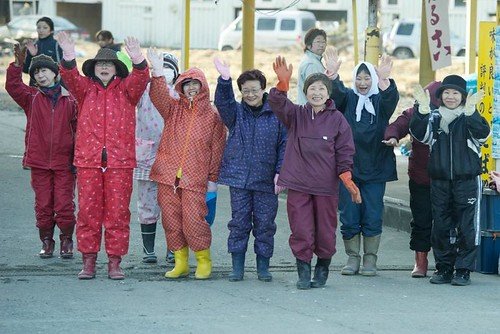 | zàijiàn | Goodbye |
请问  | qǐngwèn | Excuse me / May I ask |
听不懂  | tīng bù dǒng | I don’t understand |
说慢一点  | shuō màn yìdiǎn | Please speak more slowly |
请问 is the traveller’s best friend: put it in front of any question and you sound polite instantly. And 听不懂 is not an admission of defeat — it is a tool. Say it with a smile and people will slow down, gesture more, and often switch to simpler words you do know.
Getting around
| Chinese | Pinyin | Meaning |
|---|---|---|
| 洗手间在哪儿? | xǐshǒujiān zài nǎr? | Where is the bathroom? |
| 地铁站在哪儿? | dìtiě zhàn zài nǎr? | Where is the metro station? |
去机场  | qù jīchǎng | To the airport (for taxis) |
我要去这里 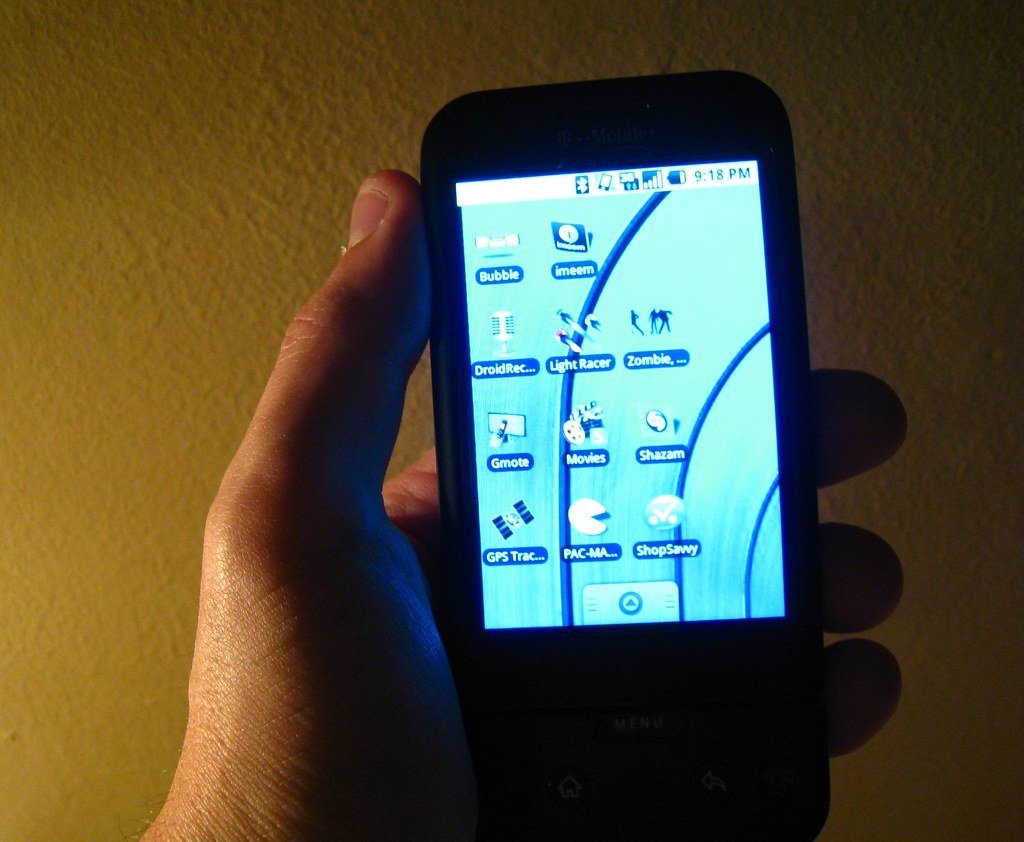 | wǒ yào qù zhèlǐ | I want to go here (show an address) |
| 多少钱? | duōshao qián? | How much money? |
The taxi trick deserves emphasis: save your hotel’s address in Chinese characters on your phone, and show it with 我要去这里. Drivers read characters faster than they understand foreign accents, and this one move removes most taxi stress. The same trick works for any destination — a screenshot of the address in characters beats ten minutes of miming.

Food and drink
| Chinese | Pinyin | Meaning |
|---|---|---|
我要这个 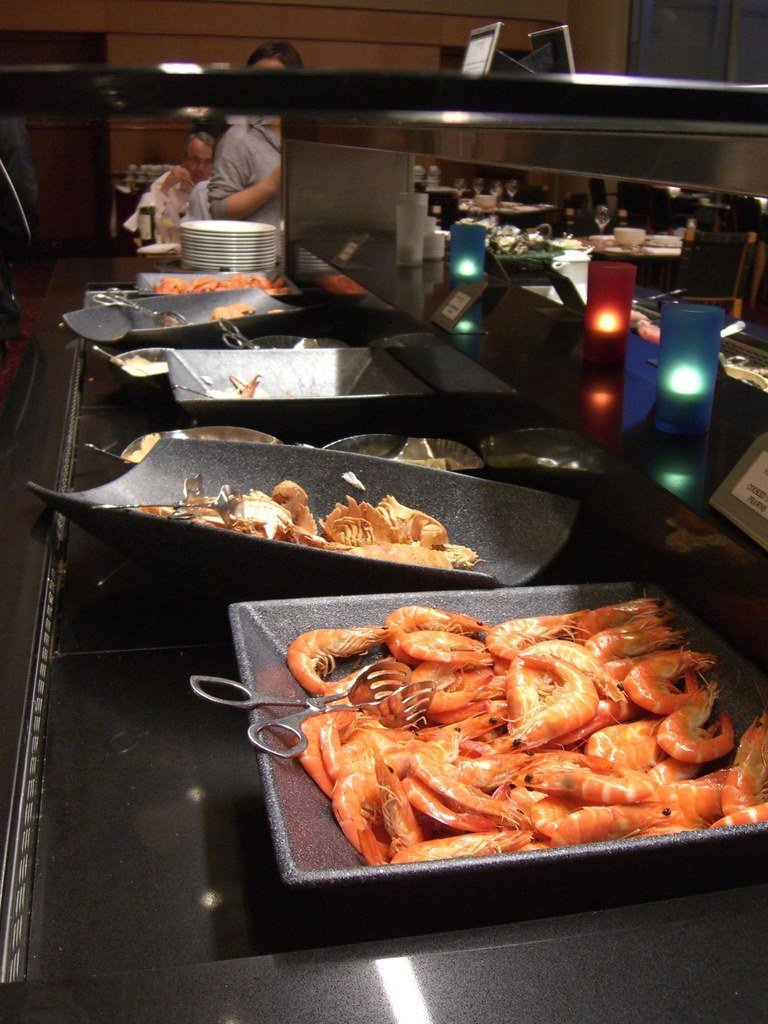 | wǒ yào zhège | I want this one (point at the menu) |
不辣  | bú là | Not spicy |
一瓶水 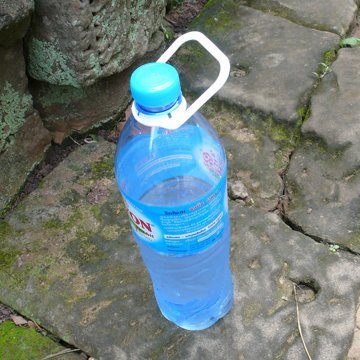 | yì píng shuǐ | A bottle of water |
买单 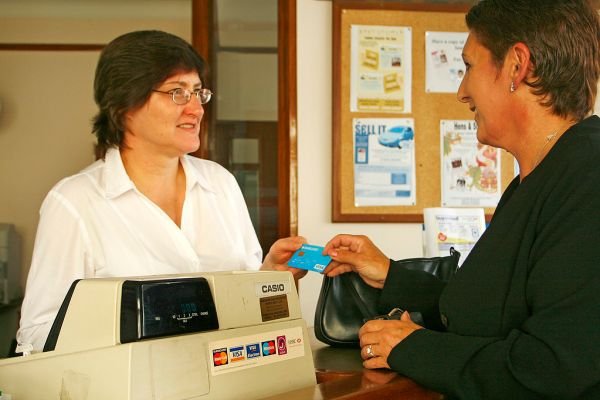 | mǎidān | The bill, please |
好吃 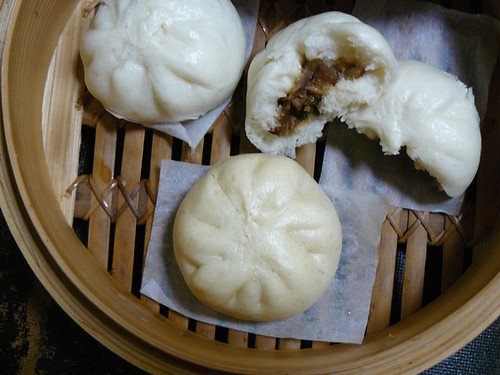 | hǎochī | Delicious |
我要这个 plus a pointing finger will feed you anywhere in China, including restaurants with no English menu at all. Add 不辣 if spice is not your friend — say it clearly, because a nod and a smile will otherwise be taken as “yes, spicy is fine”. And learn 好吃: saying it to the cook is the fastest way to make a friend in any restaurant.
Shopping and help
| Chinese | Pinyin | Meaning |
|---|---|---|
太贵了  | tài guì le | Too expensive |
便宜一点 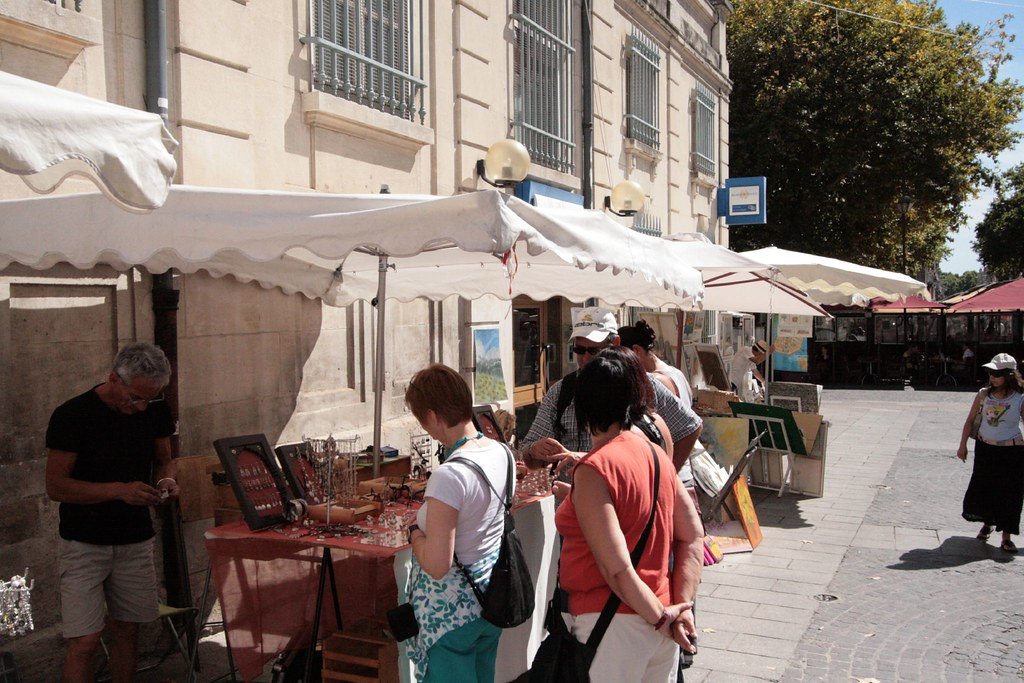 | piányi yìdiǎn | A bit cheaper, please |
| 有大号吗? | yǒu dà hào ma? | Do you have a large size? |
我只是看看  | wǒ zhǐshì kànkan | I’m just looking |
请帮我  | qǐng bāng wǒ | Please help me |
我迷路了 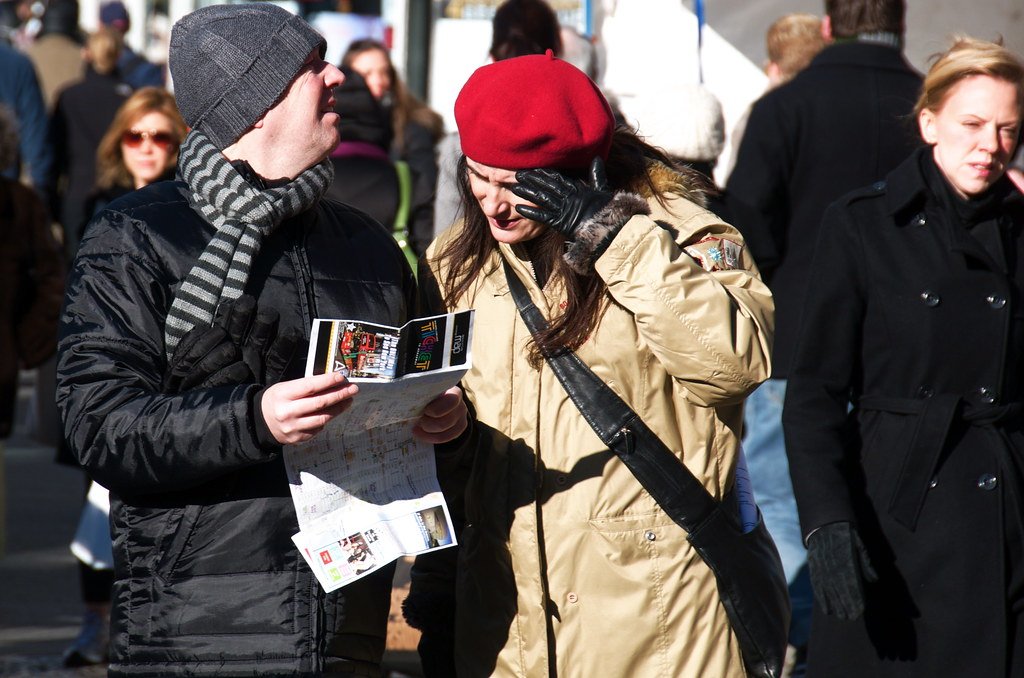 | wǒ mílù le | I’m lost |
请叫救护车 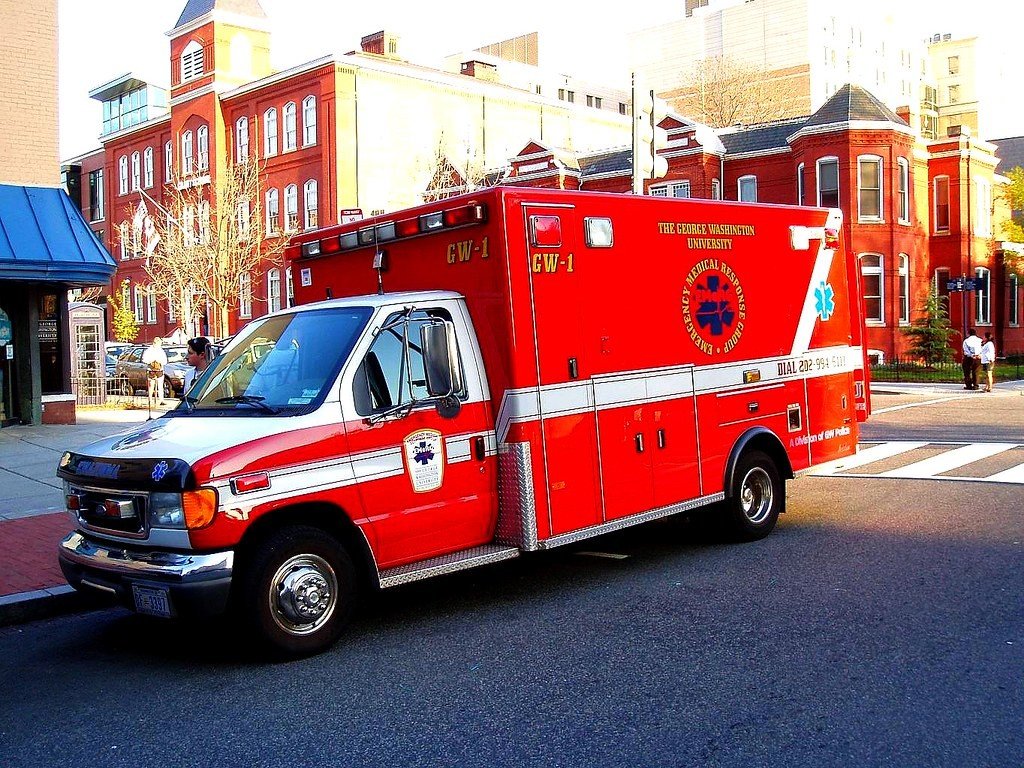 | qǐng jiào jiùhùchē | Please call an ambulance |
我需要医生 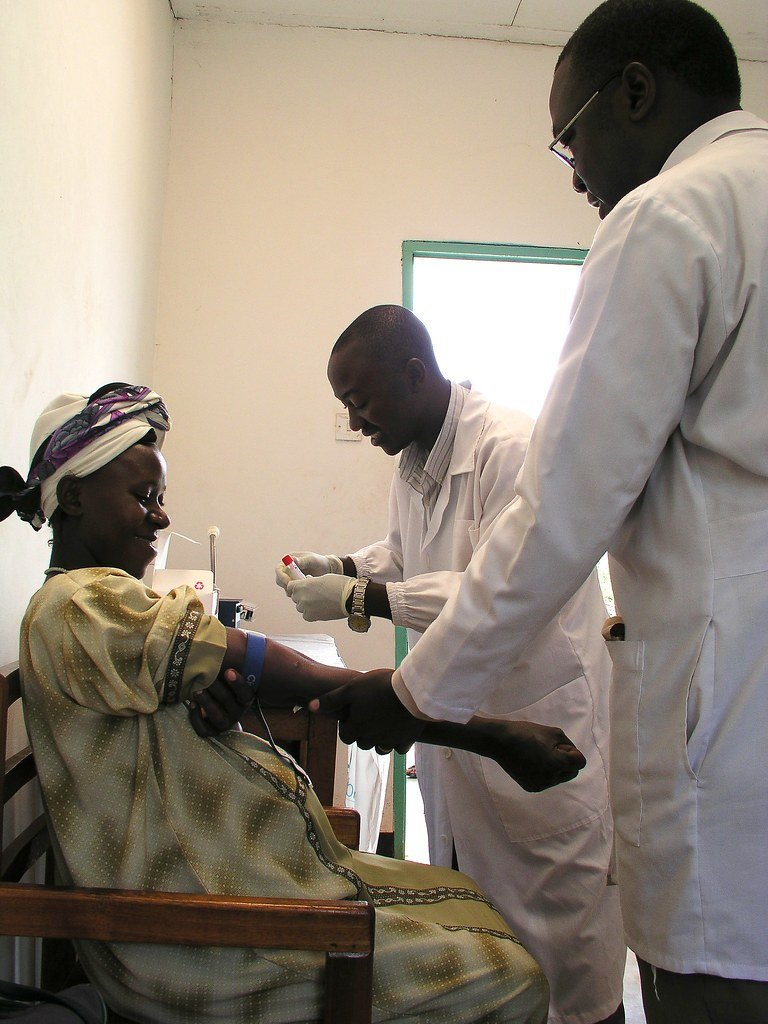 | wǒ xūyào yīshēng | I need a doctor |
| 你会说英语吗? | nǐ huì shuō Yīngyǔ ma? | Do you speak English? |
That last group is the one you hope never to need and will be glad to have. 我迷路了 plus your hotel address on your phone gets you found again; 请帮我 turns any stranger into an ally. Save the emergency phrases as a note on your phone before you fly, even if you never open it.

Chinese travel phrases: how to learn 25 before you fly
Do not try to memorise the list in one sitting. Learn five phrases a day for five days, saying each one aloud three times. On day six, run through all twenty-five and star the ones that still wobble. Those are your practise list for the flight. And once you land, use a phrase within the first hour — order water, thank the driver, ask a direction. The first successful use breaks the fear, and after that the phrases start using themselves.
One more habit makes the whole list stick: pair every phrase with a moment, not a flashcard. Practise 买单 when you pay for coffee at home. Practise 洗手间在哪儿? before you walk into any restaurant. When the phrase is tied to a real action, your brain finds it again under pressure abroad, instead of searching a mental list while a waiter waits. Travellers who rehearse phrases in context always sound braver than travellers who only read them.
Quick Quiz
Test yourself on these Chinese travel phrases. Click an answer to see if you are right — your score is at the top.
Score: 0/5
1. Why does the post call 请问 (qǐngwèn) the traveller’s best friend?
2. What does 听不懂 (tīng bù dǒng) mean?
3. What is the taxi trick the post recommends?
4. What does 我要这个 (wǒ yào zhège) mean?
5. How does the post suggest learning the 25 phrases before you fly?
Your travel phrase checklist
- Greetings: 你好, 谢谢, 请问 — use them everywhere, constantly
- Directions: hotel address in characters saved on your phone
- Food: 我要这个 + 不辣 if needed, 买单 to pay
- Shopping: 太贵了 and 便宜一点 for markets
- Emergencies: 我迷路了, 请帮我, 我需要医生 saved as a phone note
Twenty-five phrases will not make you fluent, and they were never meant to. They will make you fed, housed, directed and understood — which is most of what travelling actually requires. And every phrase you use is a small conversation, which is how travel memories are made. If the trip gives you the bug for more, our Chinese programme turns travel phrases into real conversation, and you can try the free HSK 1 trial lessons before you pack.
📷 Illustration photo sources: real photos from the open image libraries Openverse / Wikimedia Commons / Flickr (licenses CC0, CC BY, CC BY-SA) — one real-life photo for each word, no AI-generated drawings. Stroke-order animation: Make Me a Hanzi data (HanziWriter).