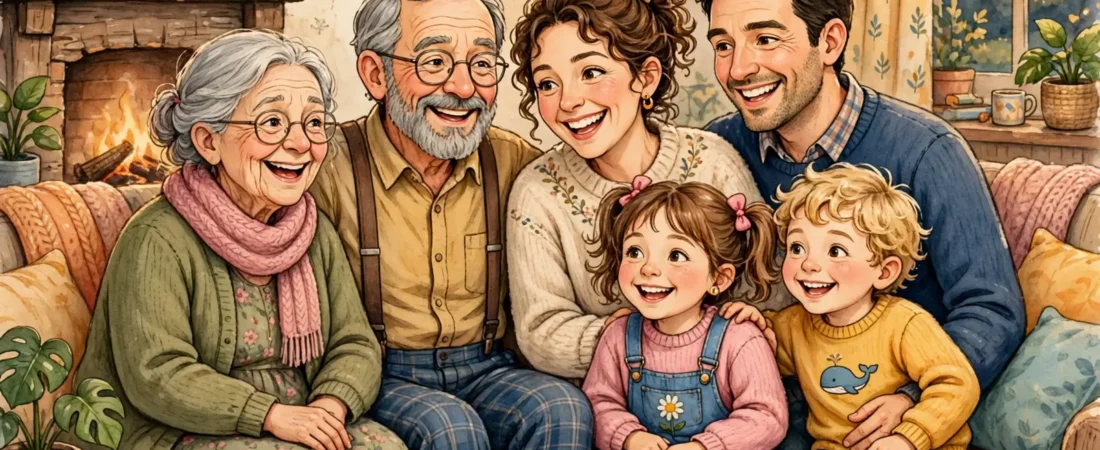
Has your child ever pointed at a family photo and asked, “What do we call this person in Spanish?” With just 20 words, your whole family can play “guess who is who” in Spanish tonight — it’s fun, and the words stick for a very long time.
Family is the first topic every child learning Spanish should know. Why? Because children use it every day: saying hello to Grandma and Grandpa in the morning, calling their brothers and sisters in for dinner, boasting to their teacher that “our house has a baby”. Words tied to real people and real things don’t need forced study — children just remember them.
Your child’s little family: start with the 8 most important words
In Spanish, family is called la familia (la fa-MI-lia). Here are the 8 words your child will use most:
- mamá (ma-MA) — mum (the affectionate word, used every day)
- papá (pa-PA) — dad (the affectionate word)
- madre (MA-dre) — mum (the more formal word)
- padre (PA-dre) — dad (the more formal word)
- hermano (er-MA-no) — brother (older or younger)
- hermana (er-MA-na) — sister (older or younger)
- hijo (EE-ho) — son
- hija (EE-ha) — daughter
One interesting point parents should tell their child right from the start: Spanish marks masculine and feminine at the end of a word. Hermano a word ending in -o is a boy, hermana and a word ending in -a is a girl. This pattern repeats across a great many other words, so once your child learns it once, they can guess a whole string of new words later on.
The fastest way to teach it? Don’t make your child sit down and copy words out. Point at each person in the house and say: “This is mamá. Now repeat after me: mamá!” Your child says it back, the whole family laughs — and just like that, the word is already in their head.
Grandparents, aunts, uncles and cousins: widening the family circle
Once your child knows the 8 words above, widen the circle a little further:
- abuela (a-BUE-la) — grandma
- abuelo (a-BUE-lo) — grandpa
- tía (TI-a) — aunt
- tío (TI-o) — uncle
- prima (PRI-ma) — female cousin
- primo (PRI-mo) — male cousin
- bebé (be-BE) — baby
- esposo (es-PO-so) — husband
- esposa (es-PO-sa) — wife
A little note for parents: tío and tía in Spanish are used for every kind of uncle and aunt — paternal, maternal, older or younger — Spanish doesn’t split them up the way Vietnamese does. At first your child may find that strange, but that very simplicity helps them learn faster. When your child asks, “So how do you tell them apart?”, just smile and say: “Spanish uses just one word for all of them — handy, isn’t it?”
Three more words to complete the set of 20 are nieto (grandson), nieta (granddaughter) and familia (family). Your child may not need to use nieto/nieta them right away, but when they hear Grandma and Grandpa call them “mi nieto” or “mi nieta”, they’ll understand at once — and that feeling of “I understand what people are saying” is the biggest reward of all for a new learner.
5 sentence patterns your child can say tonight
Words only truly come alive when they become sentences. Here are 5 short patterns any child can say:
- Esta es mi familia. (ES-ta es mi fa-MI-lia.) — This is my family.
- Te quiero mucho, mamá. (teh kee-EH-ro MOO-cho, ma-MA.) — I love you very much, Mum.
- Mi hermano se llama… (Mi er-MA-no se YA-ma…) — My brother’s name is…
- ¿Dónde está abuela? (DON-de es-TA a-BUE-la?) — Where is Grandma?
- ¡Feliz cumpleaños, papá! (Fe-LIS koom-ple-AH-nyos, pa-PA!) — Happy birthday, Dad!
A little tip: let your child choose ONE sentence they like best, and say that sentence to the very person it’s for, today. One real sentence said to a real person is worth more than ten sentences copied into a notebook. Tonight your child says “Te quiero mucho, mamá” to Mum — tomorrow they’ll be asking to learn a new sentence all by themselves. Just try it and see.
3 family games the whole family can play at the weekend
Learning through play is what keeps a child with a language the longest. These three games need almost no preparation:
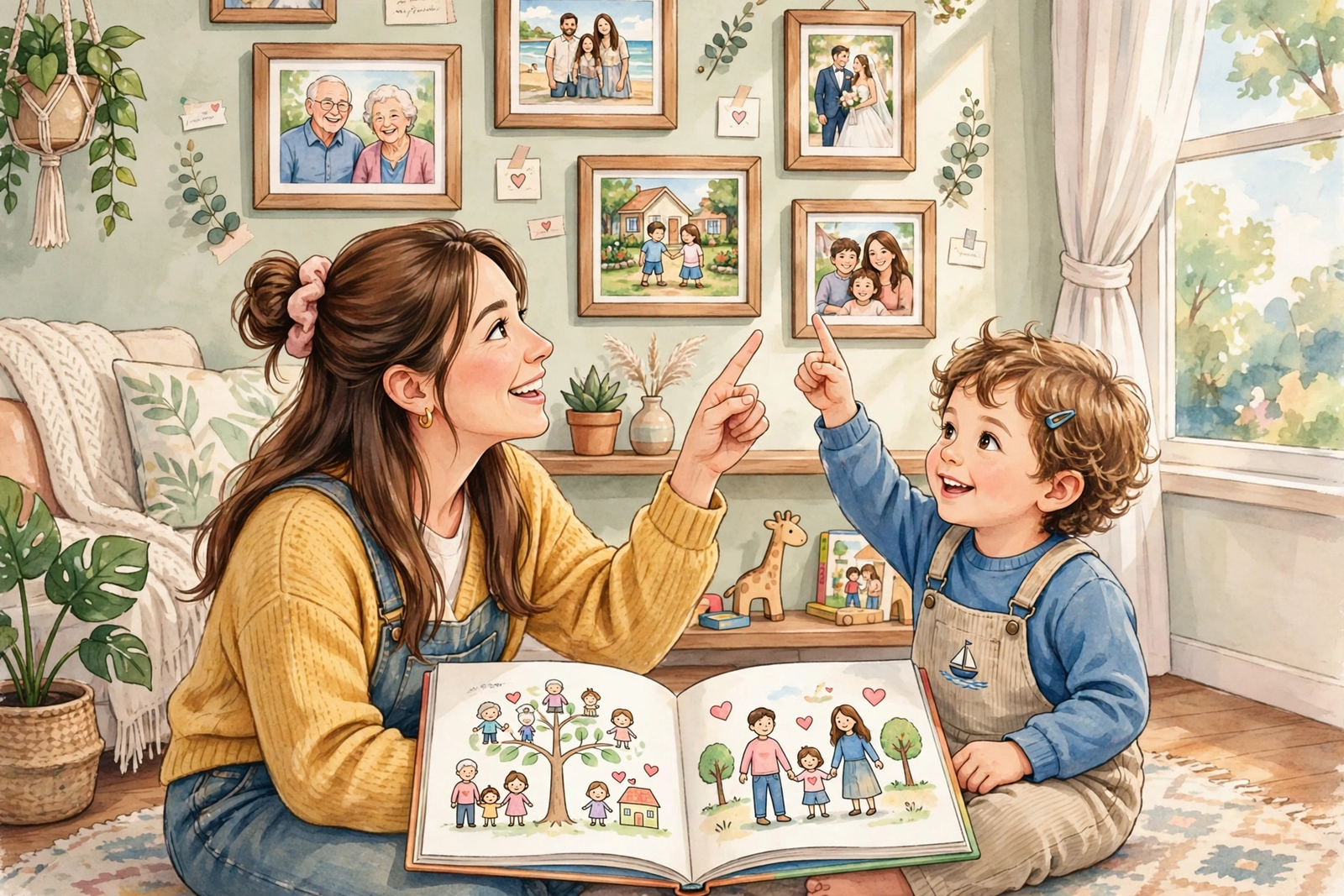
Game 1: Guess who this is? Stick family photos on the wall (or open the photo album on your phone). One person points at a photo, and the whole family says what that person is called in Spanish. Whoever says it fastest and correctly scores a point. It really doesn’t matter if your child loses a round — because that is exactly the word they’ll remember best next time.
Game 2: Draw a family tree. Draw a tree with lots of branches together with your child. On each branch, write one person’s name along with the Spanish word: abuela, papá, hermano… Hang this picture on the wall and your child will end up “revising” every single day without even knowing they’re revising.
Game 3: Face-down matching cards. Write the Spanish words on one set of cards and draw the matching person on another set, lay them face down, then flip pairs over to match them up. Children aged 5–6 go absolutely crazy for this game — and the parents have to rack their brains too.
Mistakes children often make — and how to fix them gently
Children who are just starting out often make a few very sweet mistakes, so parents, don’t be too quick to correct them sternly:
- Mixing up hermano and hermana: your child calls their sister “hermano”. How to fix it: hold up two fingers — one finger says “-o means a boy”, the other says “-a means a girl” — then let your child correct themselves. When children fix it themselves, they remember it far longer than when they’re simply told.
- Pronouncing the “h” in hermano, hijo like an English “h”: the letter h in Spanish is very soft, almost silent, while the letter j in hijo sounds like a strong, breathy “h”. Parents, there’s no need for a long phonetics lecture — just model it slowly once, and your child will copy you.
- Forgetting the stress accent: mamá is stressed on the final syllable, completely different from “mama” said flat and even. Read it aloud a few times with a clear stress on the last syllable, and your child’s ear will get used to it.
Most important of all: when your child says something wrong, praise the part they got right first (“You remembered the word hermano so well!”), and only then say the correct model once. Children learn a language through confidence, not through fear of mistakes.
Summary table: the 20 words to stick on your fridge
| Spanish | Approximate pronunciation | Meaning |
|---|---|---|
| la familia | la fa-MI-lia | family |
|
mamá / madre
 |
ma-MA / MA-dre | mum |
|
papá / padre
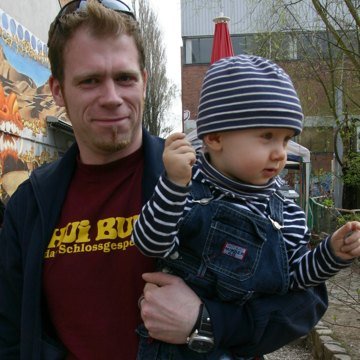 |
pa-PA / PA-dre | dad |
|
hermano
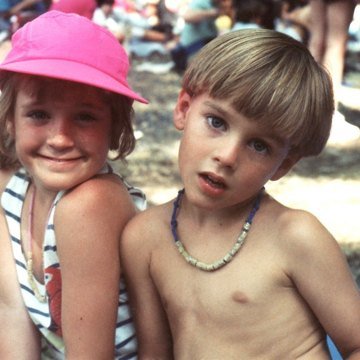 |
er-MA-no | brother |
|
hermana
|
er-MA-na | sister |
|
hijo
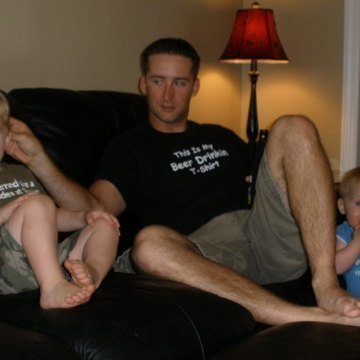 |
EE-ho | son |
|
hija
|
I-kha | daughter |
|
abuela
 |
a-BUE-la | grandma |
|
abuelo
|
a-BUE-lo | grandpa |
| tía | TI-a | aunt |
| tío | TI-o | uncle |
|
prima
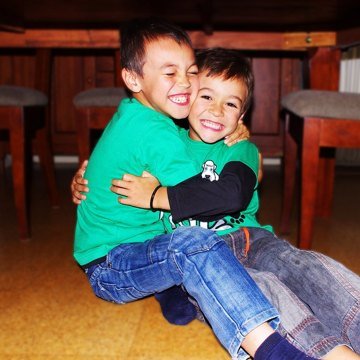 |
PRI-ma | female cousin |
|
primo
|
PRI-mo | male cousin |
| bebé | be-BE | baby |
|
esposo / esposa
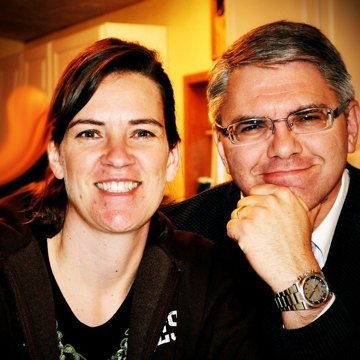 |
es-PO-so / es-PO-sa | husband / wife |
|
nieto / nieta
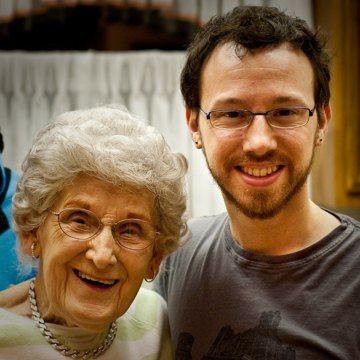 |
nee-EH-to / nee-EH-ta | grandson / granddaughter |
Save this table, print it out and stick it on the fridge. Every morning, as your child walks past, they’ll read a few words. For children, learning a language doesn’t need serious study sessions — it needs gentle repetition, a little every day.
🔊 Listen and repeat
Listen and repeat — read slowly and clearly for your child to say after you
mamá (mum) · papá (dad) · hermano (brother) · hermana (sister) · hijo (son) · hija (daughter)
abuela (grandma) · abuelo (grandpa) · tía (aunt) · tío (uncle) · primo (male cousin) · bebé (baby) · la familia (family)
Esta es mi familia. (This is my family.) · Te quiero mucho, mamá. (I love you very much, Mum.) · ¿Dónde está abuela? (Where is Grandma?) · ¡Feliz cumpleaños, papá! (Happy birthday, Dad!)
Quiz nhanh
Answer the 5 questions below to check whether your child has remembered the lesson. Tap an answer and see the result right away! Score: 0/5
Question 1. “mamá” in Spanish means…
Question 2. Which word means a sister?
Question 3. The sentence “Esta es mi familia” means…
Question 4. When read aloud, the letter “h” in “hermano” and “hijo”…
Question 5. “¿Dónde está abuela?” means…
Where can you learn next?
If your child has mastered these 20 family words, the next step is a very natural one: learn their first words for greeting people, ordering food and finding their way. You can read the article 50 First Spanish Words for Beginners on LingoBubbo, then carry on learning at the Spanish lesson hub to choose lessons that suit your child’s level.
Tonight, a small challenge for the whole family: each person picks one Spanish family word and uses it during dinner. Note down how many words your child manages to say, and share it with LingoBubbo in the comments — parents’ stories of learning alongside their children are always such a motivation for so many other families!
📷 Photo credits: real photos from the open photo collections Openverse / Wikimedia Commons / Flickr (CC0, CC BY, CC BY-SA licences) — one real-life photo for every word, no AI artwork.