Featured this week
Pick a post below and start learning.
Find a Language Exchange Partner
Where to look and what to say first.
WORKAnswer Work Phone Calls in Professional English
Sound calm and clear on every call.
ESPAÑOLSpanish Small Talk: 20 Friendly Phrases
Sound friendly, not robotic.
Tips, trends, and real talk about learning English, Chinese, Korean, Spanish, and Vietnamese — new posts every day.
-

Learning to Write 10 Simple Chinese Characters for First-Graders
Does your first-grader look at Chinese characters and think “what a tangled mess”? Don’t worry — it isn’t that your child has no talent; they simply haven’t met the right first 10 characters yet. The 10 characters in this article have just 2 to 4 strokes each, and every one of them looks like a…
-
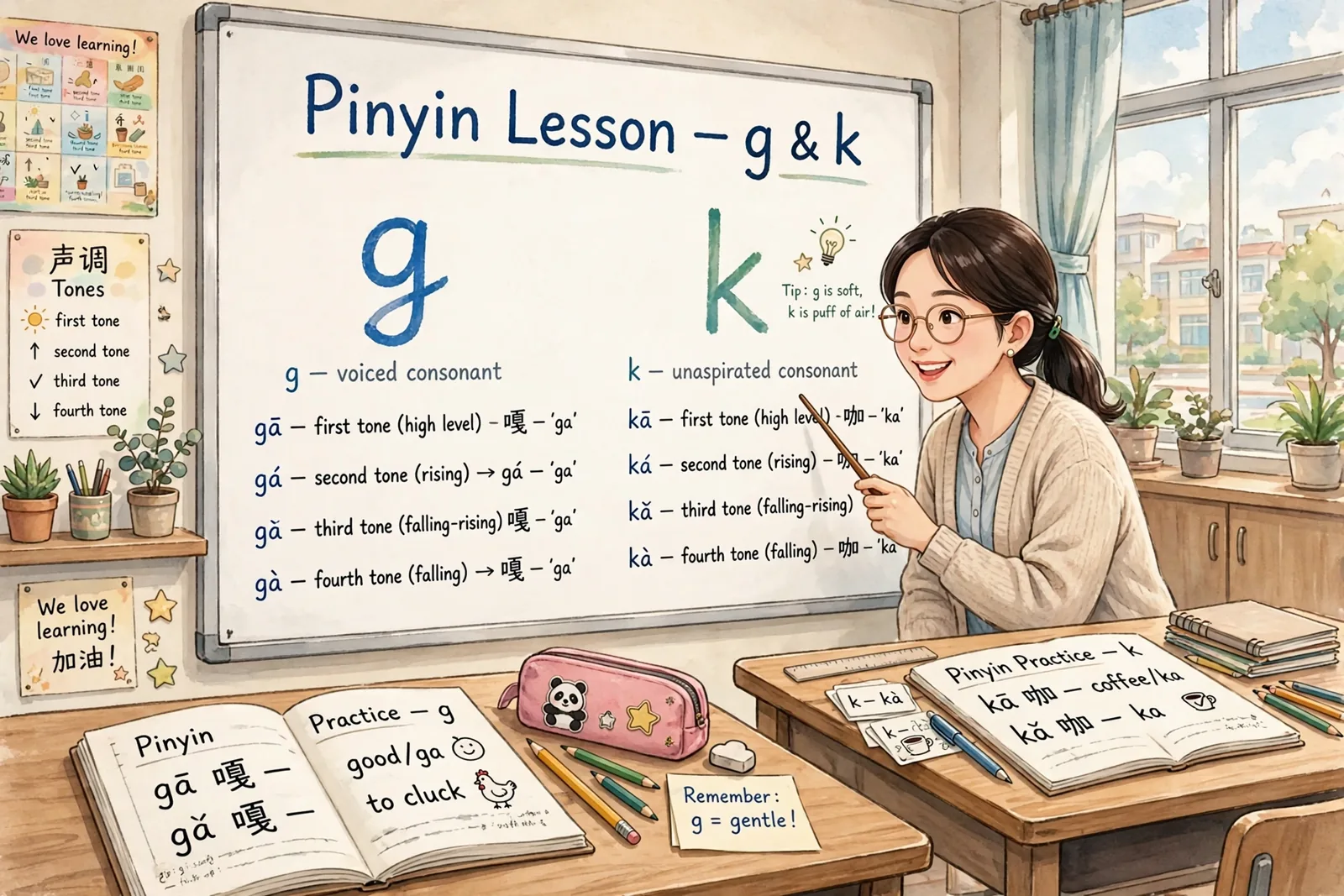
Distinguishing g and k in Pinyin: How to Hear the Difference
You read 高 as gāo and 考 as kǎo — they sound the same to you, yet Chinese speakers still frown. The problem is not the tone; it is one tiny puff of air right at the start of the sound. Get that puff of air right, and you will tell g and k apart…
-

Spanish at US Supermarkets: 20 Sentences for Asking Prices, Finding Items and Paying
You push your trolley from one aisle to the next in a US supermarket, phone in hand, looking things up on Google Translate, and the bottle of fish sauce is still nowhere to be found. A staff member walks past; you want to ask, but you don’t know how to open the conversation in Spanish.…
-

HSK 2 Under the New Standard: The Knowledge Structure You Need to Know
You have finished HSK 1, you can read pinyin and say a few simple sentences — and you are wondering: what more do I need to learn for HSK 2 under the new standard, and how is it different from the old one? The short answer: HSK 2 is not a completely new rung on…
-

A 4-Week Chinese Roadmap for Preschoolers
“Mum, how do you say ‘cat’ in Chinese?” — If your little one has ever asked you something like that while hugging their puppy or pointing at an apple on the dinner table, you already have a mini Chinese class right there in your living room. Preschoolers don’t learn the way adults do. They learn…
-

70 English Sentences for Baristas and Café Staff
A customer has just pushed the door open and walked in. You look up and smile — then freeze for two seconds, because you do not know how to open in English without sounding awkward. Sound familiar? If you work as a barista in the US, this scene happens almost every day, especially in the…
-
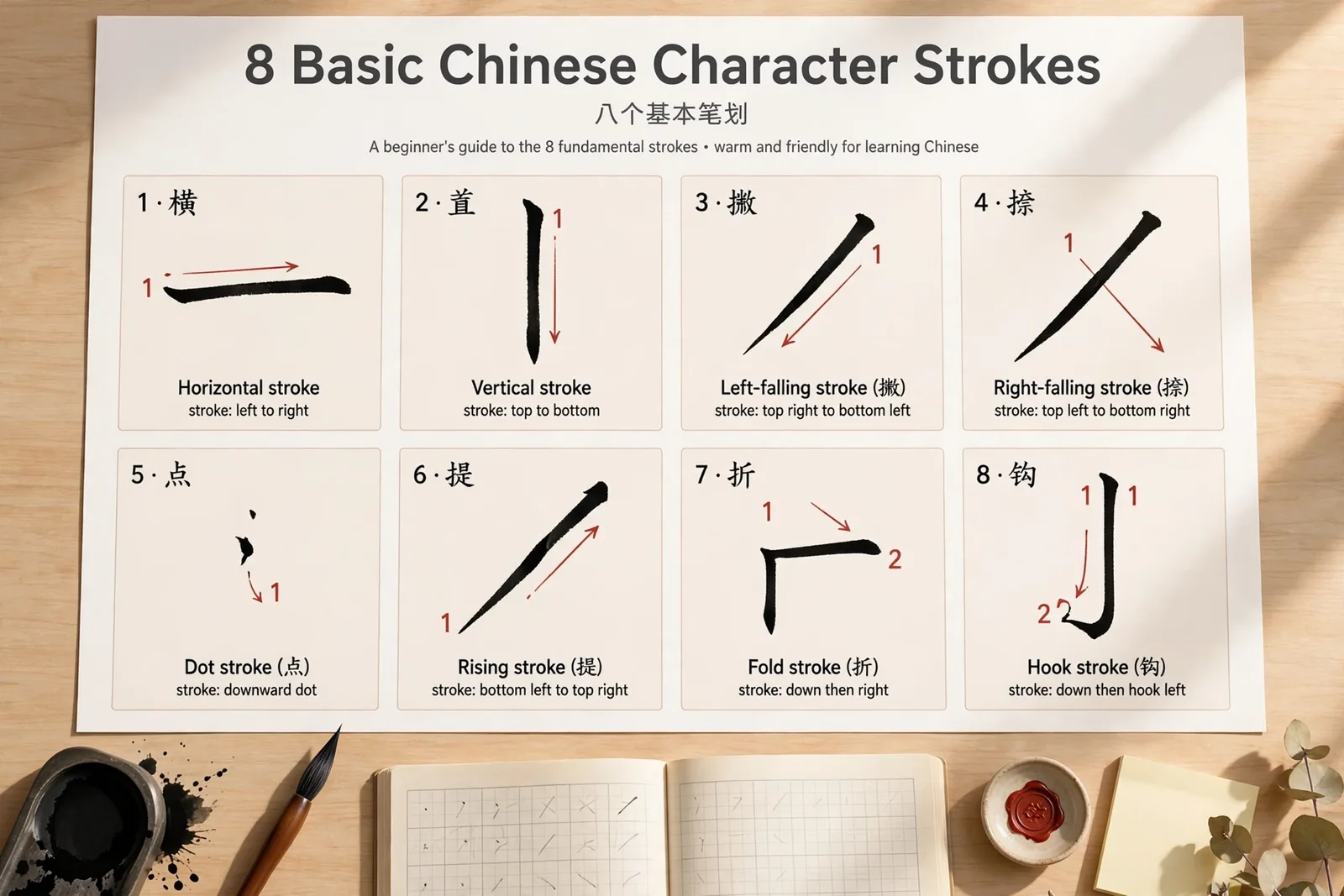
How Many Basic Strokes Do Chinese Characters Have?
You searched Google for “how many basic strokes do Chinese characters have” and got three different answers back: some say 5, some say 8, some say 32. All three are right — they just count differently. This article untangles it for you in a few minutes: how many basic strokes do Chinese characters have which…
-

English for Work in the US: Communication for Beginners
Your first morning at work in the US: you walk in the door, a colleague turns round, smiles, and says something very fast: “Morning! How’s it going?” You nod and smile back — and in your head there is only one question: how should I reply properly? Workplace English in the US for beginners does…
-

20 Korean Sentences for Shopping in Seoul: Bargaining, Asking Prices, Trying Things On
You are standing in front of a stall in Myeongdong, holding a pretty sweater, and the stall owner smiles and asks you something in Korean — and all you can do is smile awkwardly and nod. Sound familiar? Just learn the 20 Korean sentences for shopping in Seoul in this article, and next time you…
-
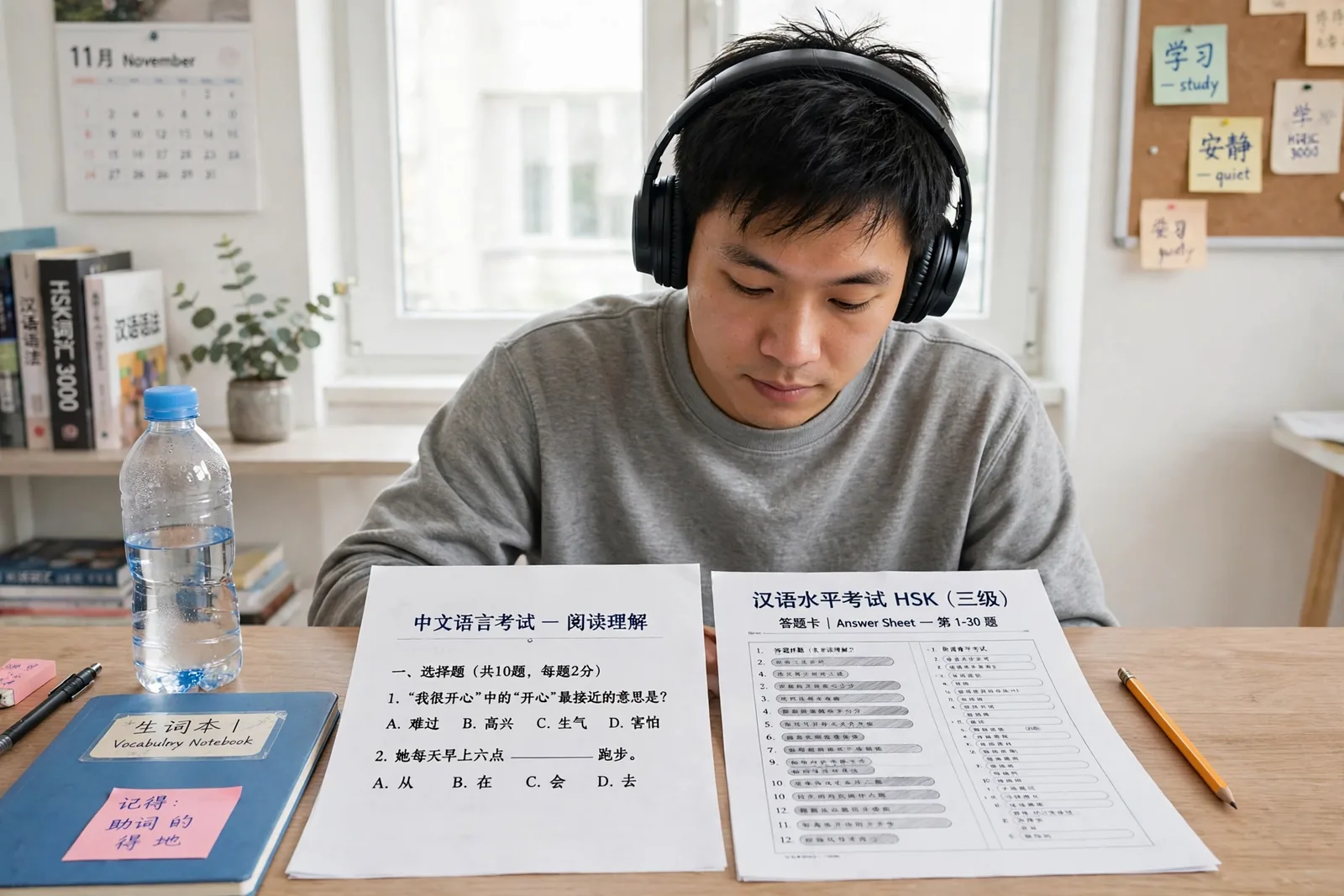
HSK 1 Mock Test No. 1 with Explanations
40 questions, 40 minutes, 120 points to pass. Sounds gentle, doesn’t it? Yet many learners who have finished the 300 HSK 1 words still get shaky hands at the very first listening question — not because they don’t know the words, but because they have never taken a complete paper under real exam timing. This…