Featured this week
Pick a post below and start learning.
Find a Language Exchange Partner
Where to look and what to say first.
WORKAnswer Work Phone Calls in Professional English
Sound calm and clear on every call.
ESPAÑOLSpanish Small Talk: 20 Friendly Phrases
Sound friendly, not robotic.
Tips, trends, and real talk about learning English, Chinese, Korean, Spanish, and Vietnamese — new posts every day.
-
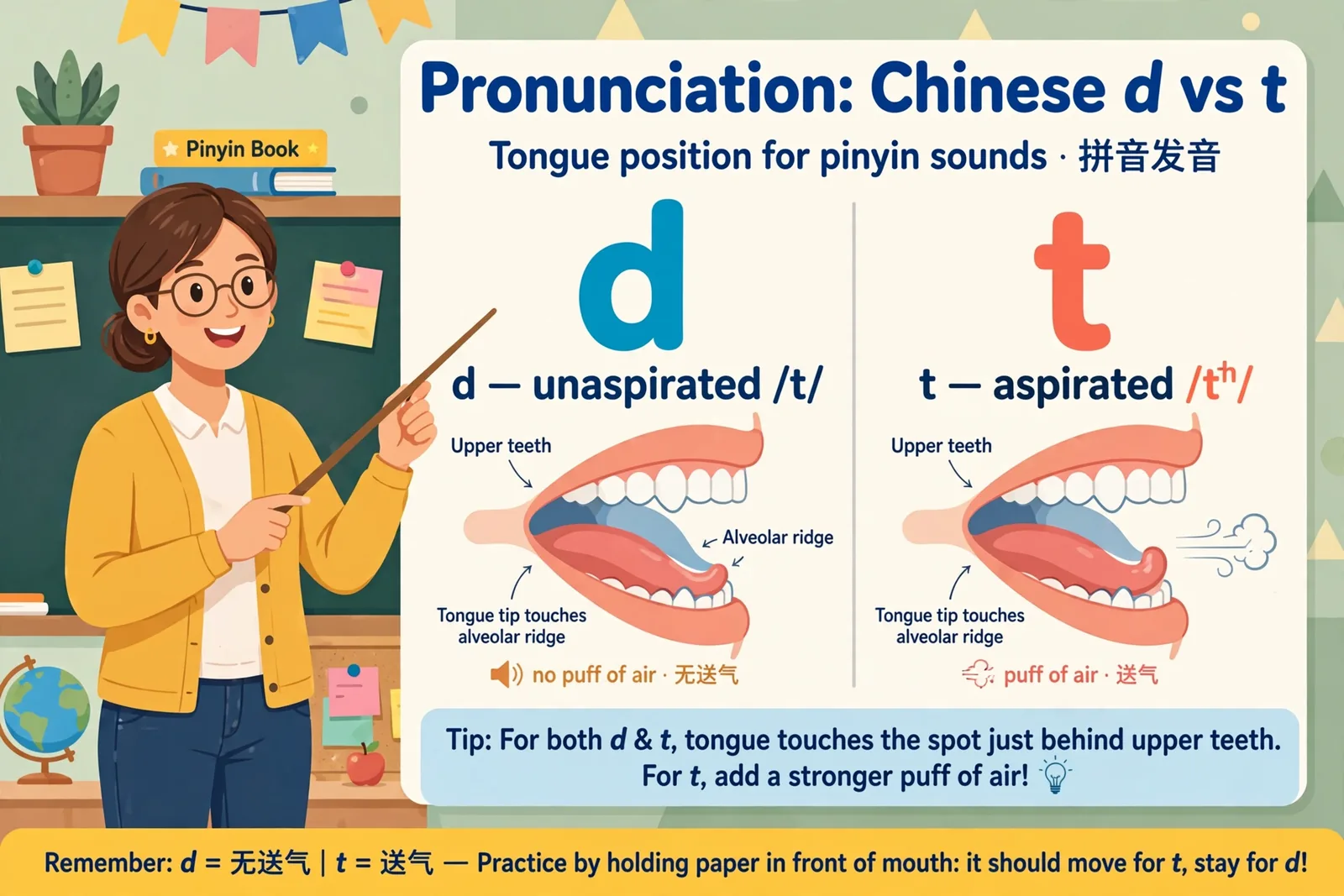
Telling d and t Apart in Chinese for Vietnamese Speakers: Hear It Once and Remember It, Read It Right Every Time
You read 大 (dà) and Chinese listeners hear 他 (tā)? Or you say 他 and they think you said 大? The d and t pair in Pinyin is one of the most confusing pairs for Vietnamese learners of Chinese — not because it is hard, but because both sound close to the Vietnamese “t”. This…
-

60 English Sentences for DoorDash and Uber Eats Food Delivery Drivers: Say the Right Thing, Deliver Faster
You drive for DoorDash or Uber Eats in the US — the orders come in fine, but the moment you meet the customer, your mind goes blank? The good news is this job doesn’t need great English — it only needs about 60 sentences repeated day after day. This article collects all 60 English sentences…
-
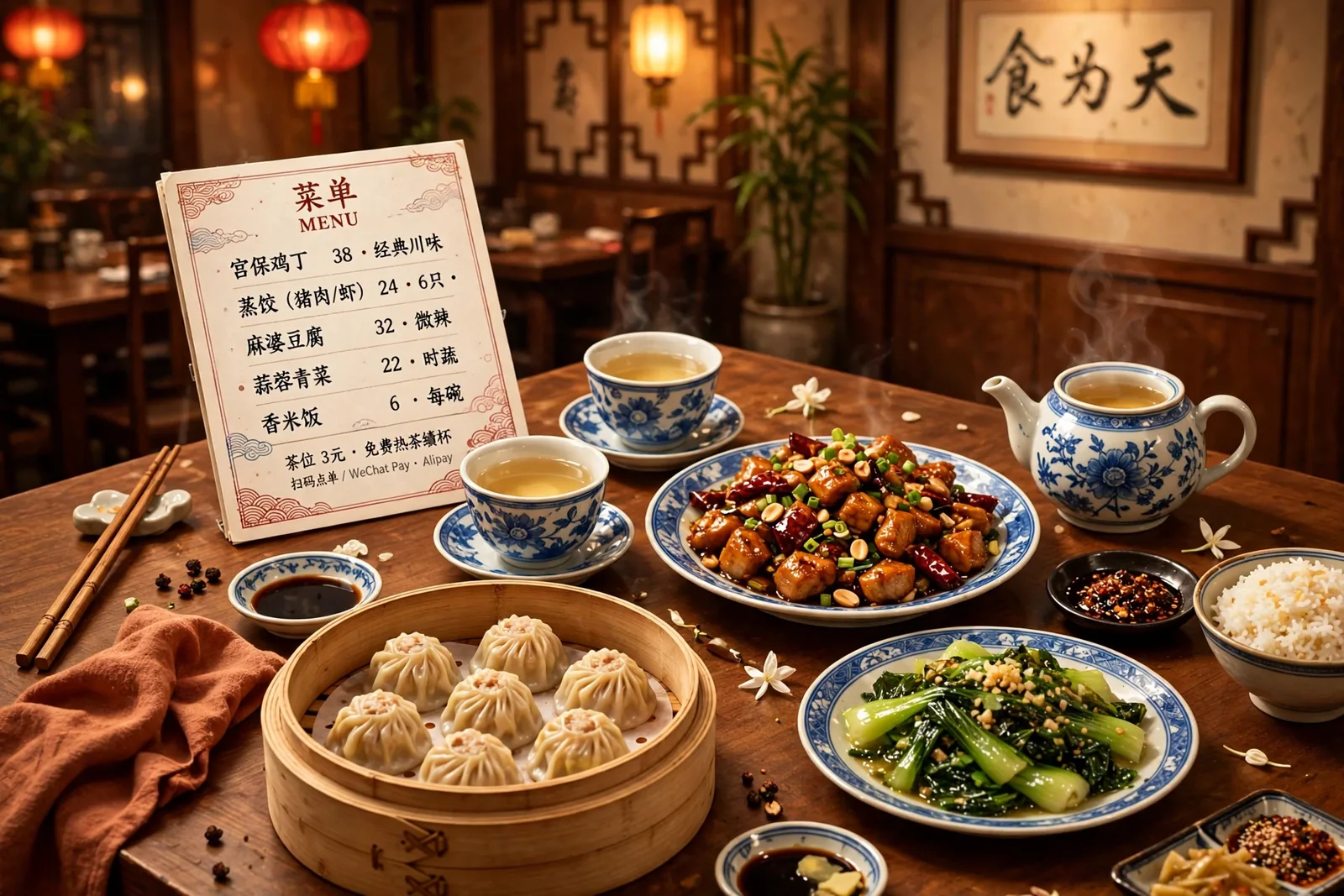
How to Read a Chinese Menu Without Panicking: 30 Food Words That Matter
A Chinese menu stops being scary once you know 30 words: the staples, the meats, the cooking methods and the flavours. Here’s the list that lets you order with confidence.
-

Travel Chinese: 25 Phrases for Your First Trip to China
You don’t need fluent Chinese to travel well in China — you need 25 phrases. Greetings, directions, food, shopping and emergencies, all in one printable list.
-
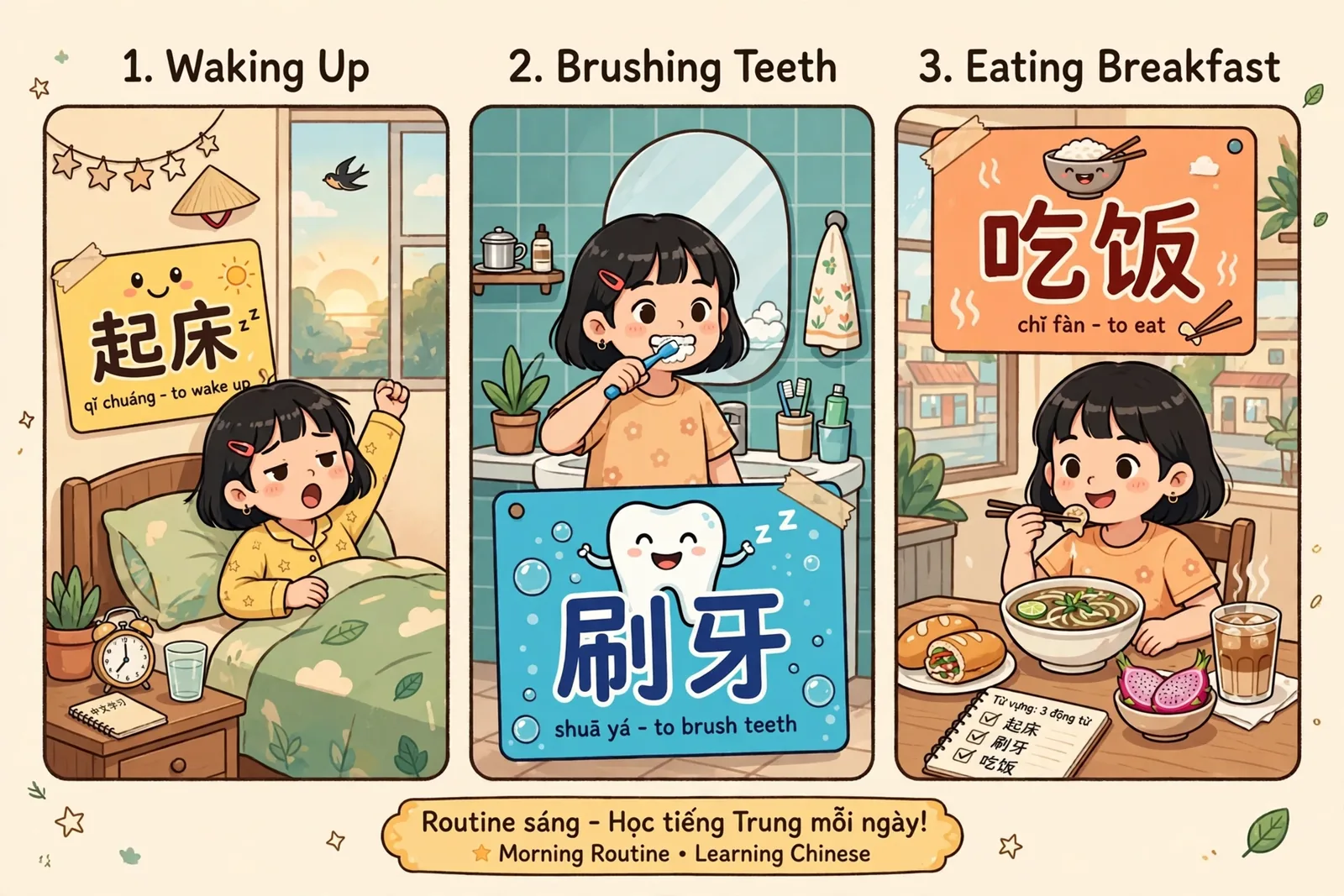
HSK 1 Verbs by Daily Routine: Learn Them Once, Use Them All Day
You open your HSK 1 textbook and see a whole page of verbs: eat, drink, sleep, go, study, do… Memorise the whole page by heart and it lasts a day — the next day you’ve forgotten almost all of it. I used to learn that way too, and the only thing that ever made words…
-

How to Introduce Yourself in Chinese: A Script You Can Use Today
A Chinese self-introduction is just five short lines: hello, name, home, what you do, nice to meet you. Here’s the script, line by line, ready to use today.
-

Chinese Grammar Is Easier Than You Think: 5 Rules That Replace Conjugation
No verb conjugations, no gender, no plurals to memorise — Chinese grammar is famously light. These 5 simple rules cover most of what beginners actually need.
-
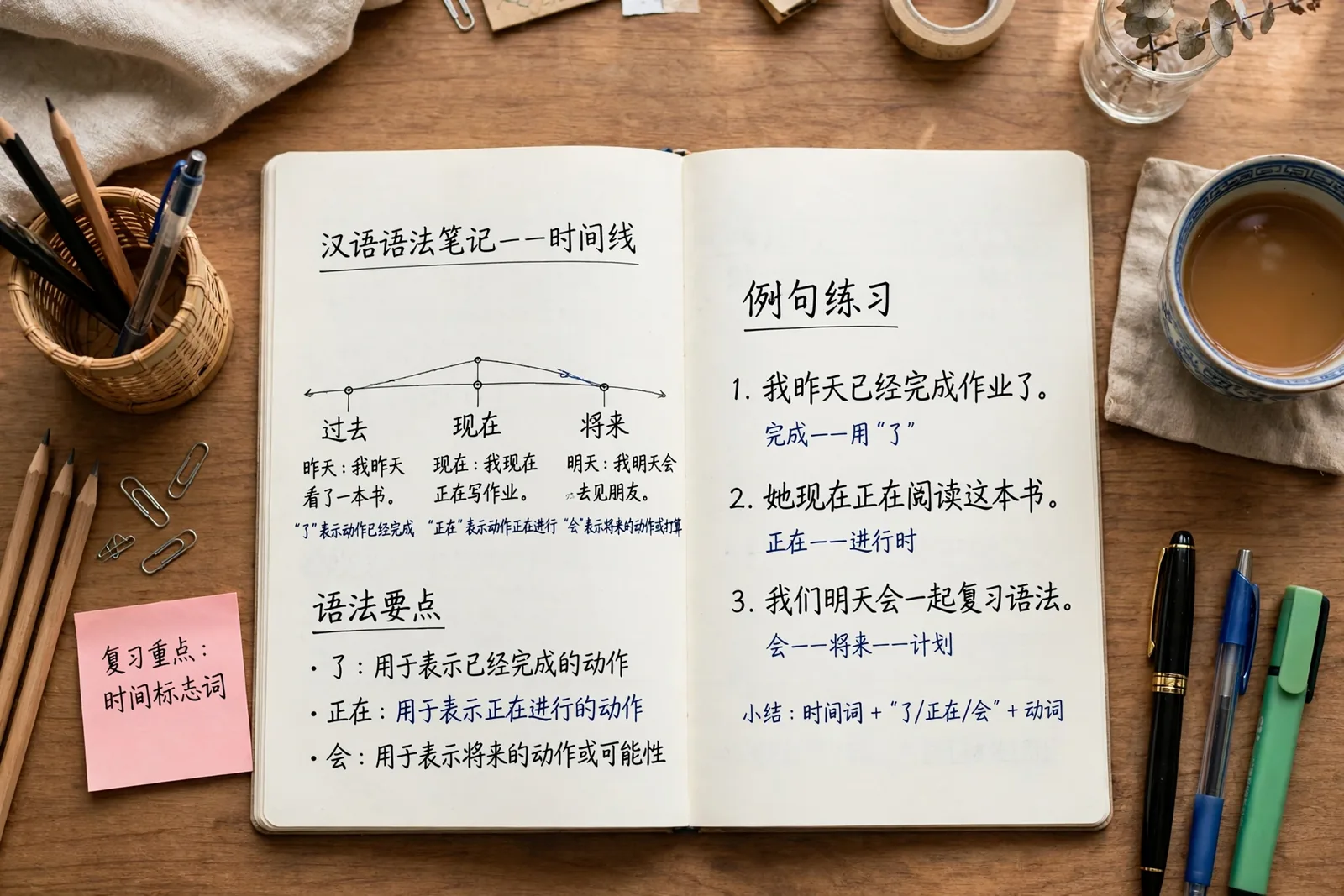
了, 着, 过: How Chinese Shows Time Without Verb Tenses
Chinese verbs never change form, yet three tiny particles — 了, 着, 过 — tell you whether something is done, ongoing, or ever experienced. Here’s how each one works.
-

Chinese Word Order: The One Pattern Behind Almost Every Sentence
Chinese word order follows one pattern: who, when, where, then what. Learn that single order and almost every beginner sentence falls into place.
-
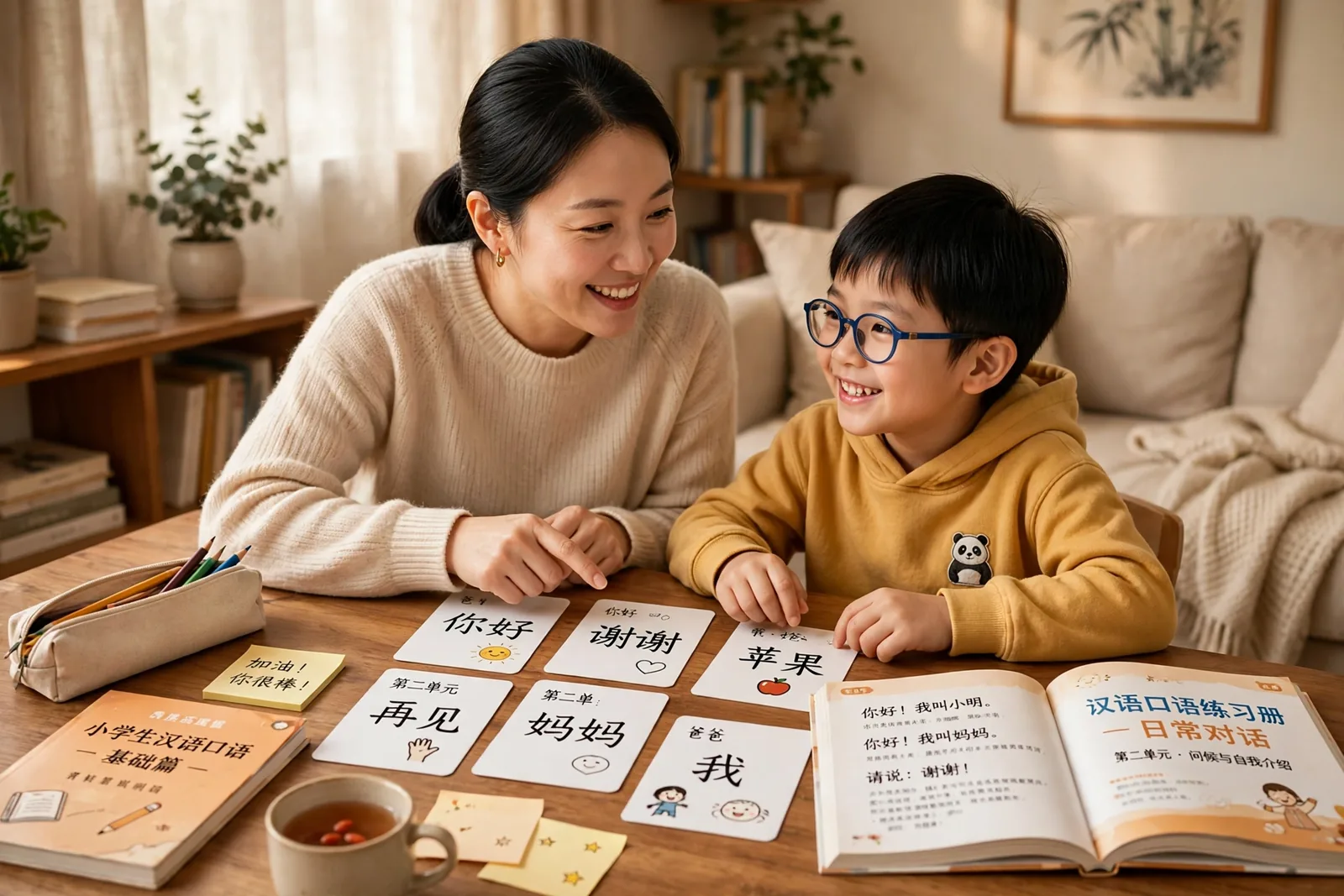
Does Your Child Need the HSKK Speaking Test? A Parent’s Guide
HSK tests reading and listening, but speaking has its own exam: the HSKK. Here’s what it asks at beginner level, who it suits, and how to tell if your child is ready.