
One hundred. That is the number that stops most parents cold. You picture your child staring at a wall of Chinese characters and wonder how anyone memorises all of them. Here is the good news: Chinese numbers 1 to 100 for kids are far simpler than they look. Once your child knows the first ten, the rest is mostly a pattern, and this week you are going to play it instead of drilling it.
Why Chinese Numbers 1 to 100 for Kids Are Easier Than You Think
English numbers are sneaky. Eleven and twelve follow no rule at all. Chinese is kinder. Eleven is literally “ten-one.” Twenty is “two-ten.” Fifty-seven is “five-ten-seven.” Once a child sees the logic, a hundred separate facts become one trick they already know.
Games work so well here because a child who jumps on 47 in hopscotch, or shouts “sì shí qī!” to win a card, practises the pattern without ever sitting through a lesson.
The First Ten: Your Child’s Launchpad
Everything starts with 1 to 10. Your child already counts to ten in English, so only the words are new.
| Number | Character | Pinyin | Sounds like |
|---|---|---|---|
| 1 | 一  | yī | “ee” |
| 2 | 二 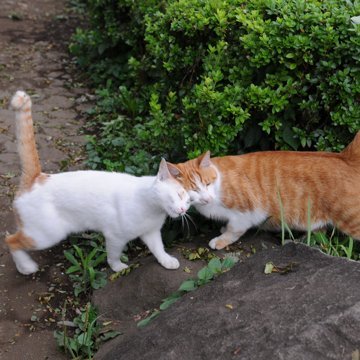 | èr | “are” |
| 3 | 三  | sān | “sahn” |
| 4 | 四  | sì | “suh” |
| 5 | 五 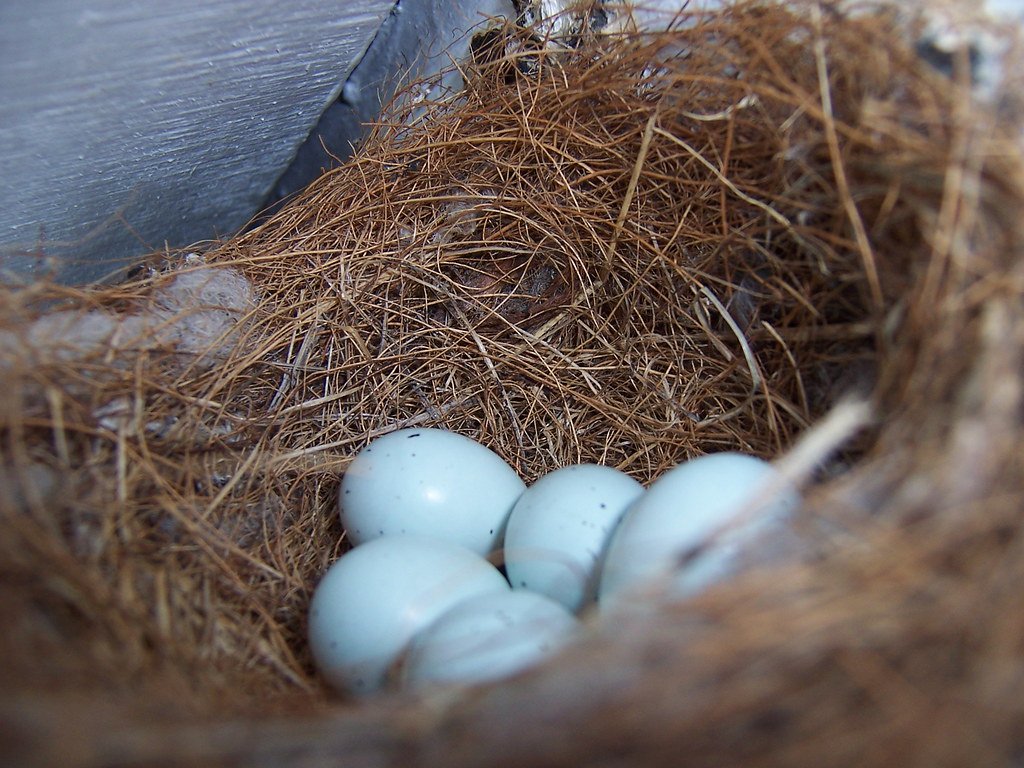 | wǔ | “woo” |
| 6 | 六 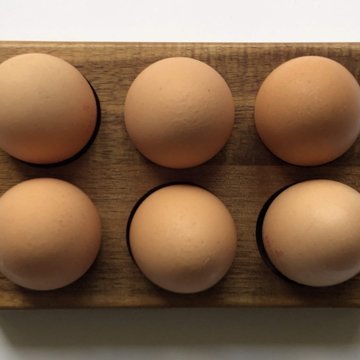 | liù | “lee-oh” |
| 7 | 七 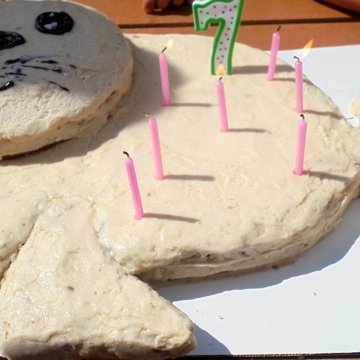 | qī | “chee” |
| 8 | 八  | bā | “bah” |
| 9 | 九  | jiǔ | “jee-oh” |
| 10 | 十  | shí | “shur” |
Start on the living room floor. Hold up three fingers, say “sān,” and have your child copy you. Then flip it: hold up the flashcard for 三 and let them shout it. Five minutes, twice a day, and most children have 1 to 10 down within a couple of days. The characters help too: one is a single line, two is two lines, three is three lines.

The Pattern That Unlocks 11 to 99
Here is the whole secret: Chinese numbers say the tens first, then the ones. Eleven is 十一 (shí yī), “ten-one.” Twelve is 十二 (shí èr), “ten-two.” Nineteen is 十九 (shí jiǔ), “ten-nine.”
The tens march along the same way. Twenty is 二十 (èr shí), “two-ten.” Thirty is 三十 (sān shí), “three-ten,” all the way to ninety, 九十 (jiǔ shí). Combine them and you get any number in between: 25 is 二十五 (èr shí wǔ), “two-ten-five.” 47 is 四十七 (sì shí qī), “four-ten-seven.” 99 is 九十九 (jiǔ shí jiǔ), “nine-ten-nine.” And 100 is 一百 (yì bǎi), “one hundred.”
One small trap: 二 (èr) vs 两 (liǎng)
Sooner or later your child will hear 两 (liǎng) and wonder why “two” has two words. The short answer: 二 (èr) is the counting word, used inside numbers like 十二 and 二十. 两 (liǎng) comes before a measure word when counting things, as in 两个人 (liǎng gè rén), “two people.”
A Week of Games That Make Chinese Numbers 1 to 100 for Kids Stick
One game a day, ten to fifteen minutes. Stick this table on the fridge so your child can tick off each day.
| Day | Game | Numbers | What you need |
|---|---|---|---|
| Monday | Finger-count race | 1–10 | Your hands |
| Tuesday | Flashcard snap | 1–10 | Number flashcards |
| Wednesday | Hopscotch counting | 1–20 | Chalk, driveway |
| Thursday | Tens bingo | 10, 20, 30 … 100 | Bingo cards |
| Friday | Shopkeeper role-play | 11–99 | Toy food |
| Saturday | Board game night | 1–100 | Board game, dice |
| Sunday | Counting champion quiz | 1–100 | Small prize |
The Games in Detail
Monday and Tuesday: fingers and flashcards
In the finger-count race, hold up a number of fingers and your child says it in Chinese, then swap roles. The child who gets to be the teacher always tries harder. On Tuesday, spread flashcards face down and take turns flipping two at a time. Match the character to the number, say it out loud, keep the pair.
Wednesday: hopscotch counting
Chalk a hopscotch grid from 1 to 20 on the driveway, writing the Chinese characters beside each number. Your child hops the grid saying each number in Chinese. Miss a number, start again. Add a twist on round two: hop only on the even numbers, or count backwards from 20.
Thursday: tens bingo
Make bingo cards with 20, 30, 40, 50, 60, 70, 80, 90 and 100, mixing digits and characters. Call the numbers in Chinese and watch your child scan the card, hunting for 三十. This is the day the pattern clicks.
Friday: shopkeeper role-play
Set up a little shop: an apple costs 15, a toy car costs 47, a storybook costs 99. Your child is the shopkeeper, you are the customer, and every price must be said in Chinese before the sale goes through. Prices are how children actually meet numbers beyond ten in real life. If your child enjoys this, our guide to counting money in Chinese takes the same idea further.
Saturday: board game night
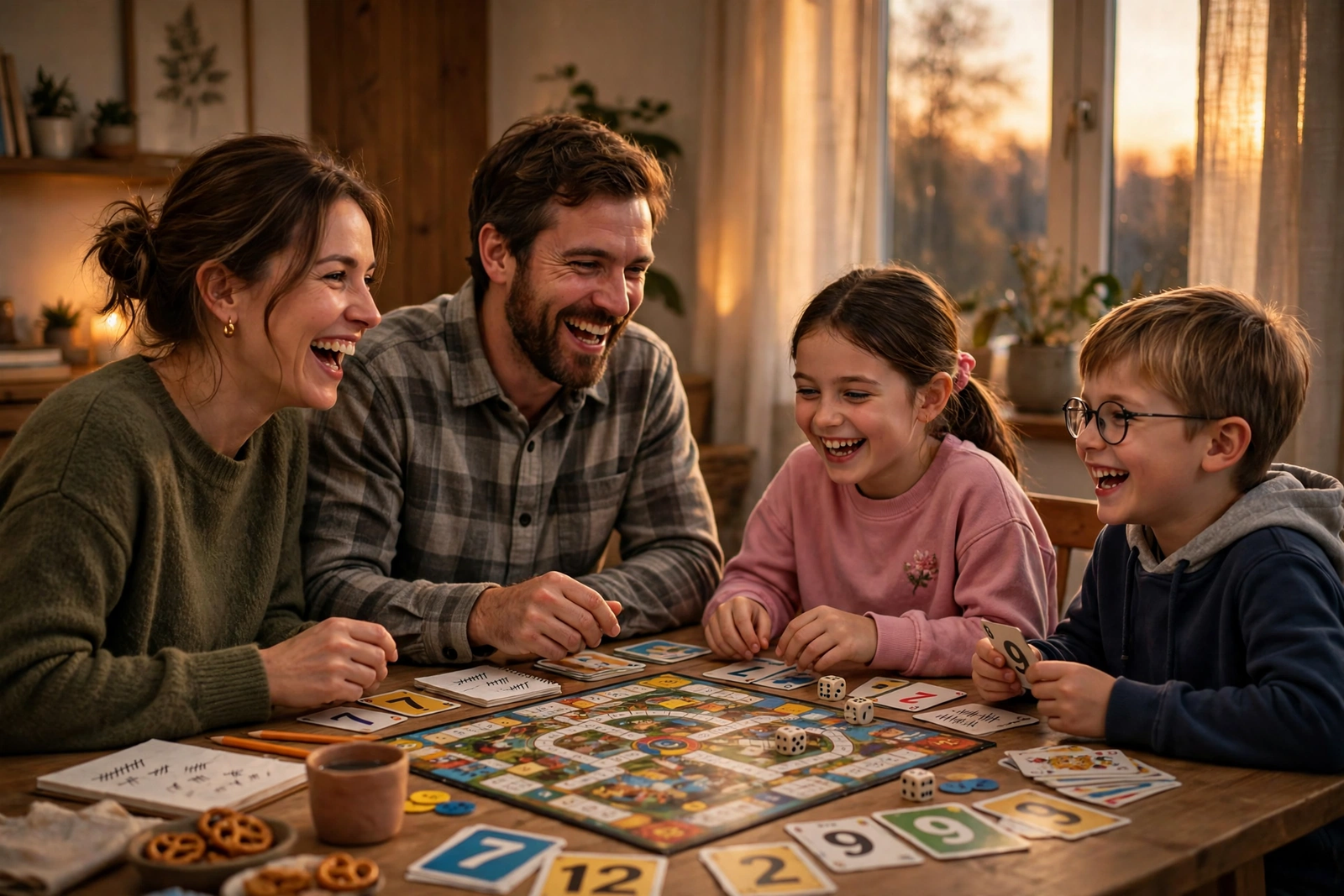
Play any board game with dice and a numbered track. The house rule: every move is counted out loud in Chinese. Roll a 6, move six spaces, counting “yī, èr, sān, sì, wǔ, liù” as you go.
Sunday: counting champion quiz
Finish the week with a mini championship. Call out random numbers from 1 to 100 for your child to answer in Chinese. Ten correct answers earns the title of Counting Champion, plus whatever small prize you agreed on at the start of the week.
Mistakes to Watch For
Three little mix-ups show up in almost every family. First, children sometimes say the tens backwards, turning 25 into “five-ten-two.” Model it the right way, “èr shí wǔ,” and have them repeat it once. Second, the tones on 十 (shí) and 四 (sì) can blur together, so exaggerate the difference for a day or two. Third, some children translate the English words in their head first. That is normal, and it fades as the pattern becomes automatic.
When your child is ready for the next step, try the HSK 1 vocabulary list, grouped by theme. Numbers are one of the first groups in it.
🔊 Listen and repeat
Listen and repeat — count along out loud
一 (yī) · 二 (èr) · 三 (sān) · 四 (sì) · 五 (wǔ) · 六 (liù) · 七 (qī) · 八 (bā) · 九 (jiǔ) · 十 (shí)
十一 (shí yī — 11) · 十二 (shí èr — 12) · 十五 (shí wǔ — 15) · 二十 (èr shí — 20) · 二十五 (èr shí wǔ — 25) · 三十 (sān shí — 30)
四十 (40) · 五十 (50) · 六十 (60) · 七十 (70) · 八十 (80) · 九十 (90) · 一百 (yì bǎi — 100)
Quick quiz
Answer the 5 questions below to check what stuck. Tap an answer to see the result right away! Score: 0/5
Question 1. Eleven, 十一 (shí yī), literally says…
Question 2. How do you say twenty?
Question 3. When do you use 两 (liǎng) instead of 二 (èr)?
Question 4. How do you say 100?
Question 5. A common mix-up: a child builds 25 backwards. The correct form is…
Frequently Asked Questions
How long does it take a child to learn Chinese numbers 1 to 100?
Most children learn 1 to 10 in a few days and reach 100 within two to three weeks of short daily games. If your child already knows 1 to 10, one focused week is often enough.
Should my child learn the characters as well as the sounds?
Yes, but do not make it a chore. The characters for 1, 2 and 3 are simply one, two and three lines, and 十 looks a little like a plus sign. Point those out during games and let recognition grow naturally.
What if my child forgets everything by next week?
That is normal, and it is not really forgetting. Numbers need a little spaced repetition. Play one of the games again the following weekend, or count in Chinese on the walk to school. A few minutes a week keeps the numbers alive.
Seven days, seven games, and your child can count to 100 in Chinese. Numbers unlock prices, ages, dates, and phone numbers, so your child can start using Chinese in everyday life right away. Ready to keep going? Try the HSK 1 trial lessons and see what your child can do next.
📷 Illustration photo sources: real photos from the open image libraries Openverse / Wikimedia Commons / Flickr (licenses CC0, CC BY, CC BY-SA) — one real-life photo for each word, no AI-generated artwork. Stroke-order animation: Make Me a Hanzi (HanziWriter) data.